Yet bruising is not unique to leukemia. A low platelet count can occur for many other reasons, including certain infections, immune-related conditions, medication effects, and other medical problems. Some people with leukemia experience fatigue, frequent infections, fever, or other symptoms, while others may initially notice very few changes. No single symptom is sufficient to confirm or exclude the disease.
Other cancers may affect the body in different ways, and not every cancer causes bruising. The presence of a purple patch on an arm or leg does not mean that cancer is present, nor does the absence of bruising prove that a person is healthy. A medical evaluation considers the complete pattern of symptoms rather than relying on one visible sign.
It is also important to understand that many common explanations for bruising are more likely than cancer in an otherwise well person with an occasional mark. Minor trauma, age-related skin changes, medication use, and fragile blood vessels are frequent contributors. In some cases, nutritional deficiencies or liver disease may affect normal clotting. A clinician can assess which possibilities are relevant to an individual.
Concern becomes more appropriate when bruising is persistent or unexplained and occurs with other changes. For example, a person may notice several new bruises alongside unusual tiredness, pale skin, recurrent infections, persistent fever, unexplained weight loss, or night sweats. These symptoms can arise from numerous illnesses and do not prove cancer, but their combination warrants timely medical assessment.
A healthcare professional will usually begin by taking a history. Questions may cover when the bruises started, whether they follow injuries, which body areas are affected, whether bleeding occurs elsewhere, and whether there have been changes in medication. Family history, recent illnesses, dietary patterns, and other health conditions may also be relevant.
A physical examination can help determine whether the marks resemble ordinary bruises or another type of skin finding. Depending on the history and examination, a clinician may order a complete blood count to measure red cells, white cells, and platelets. Other tests, such as clotting studies or assessments of liver function, may be considered when indicated.
If initial findings suggest a possible blood disorder, additional testing may be necessary. The specific investigations depend on the results and the clinical situation. It is not appropriate to assume that every person with a bruise needs extensive testing, but it is equally inappropriate to dismiss persistent unexplained bruising without considering the circumstances.
People sometimes delay seeking care because they fear receiving a serious diagnosis. Others search online, compare photographs, and become convinced that a particular mark matches a frightening condition. Neither approach provides reliable certainty. Many skin findings look similar despite having different causes, and images often lack essential information about symptoms, medical history, and examination results.
A better response is to treat the bruise as a piece of information, not a verdict. If it appeared after a clear minor injury and fades normally, observation may be reasonable. If bruises repeatedly appear without an explanation, or if they occur with other unusual symptoms, arrange a medical appointment. Seek urgent care if there is significant bleeding or another emergency warning sign.
It is also worth remembering that early medical assessment is useful even when the eventual explanation is not cancer. A clinician may identify a medication-related problem, a platelet disorder, a nutritional issue, or another condition that benefits from treatment. If no serious cause is found, the evaluation can offer reassurance based on evidence rather than guesswork.
The central message is straightforward: unexplained bruising can occasionally be associated with serious disease, including some blood cancers, but it does not automatically mean cancer. The safest approach is to avoid sensational conclusions, recognize meaningful warning signs, and allow qualified healthcare professionals to determine whether further investigation is needed.
Chapter 4: Everyday Factors That Can Make Bruising More Likely
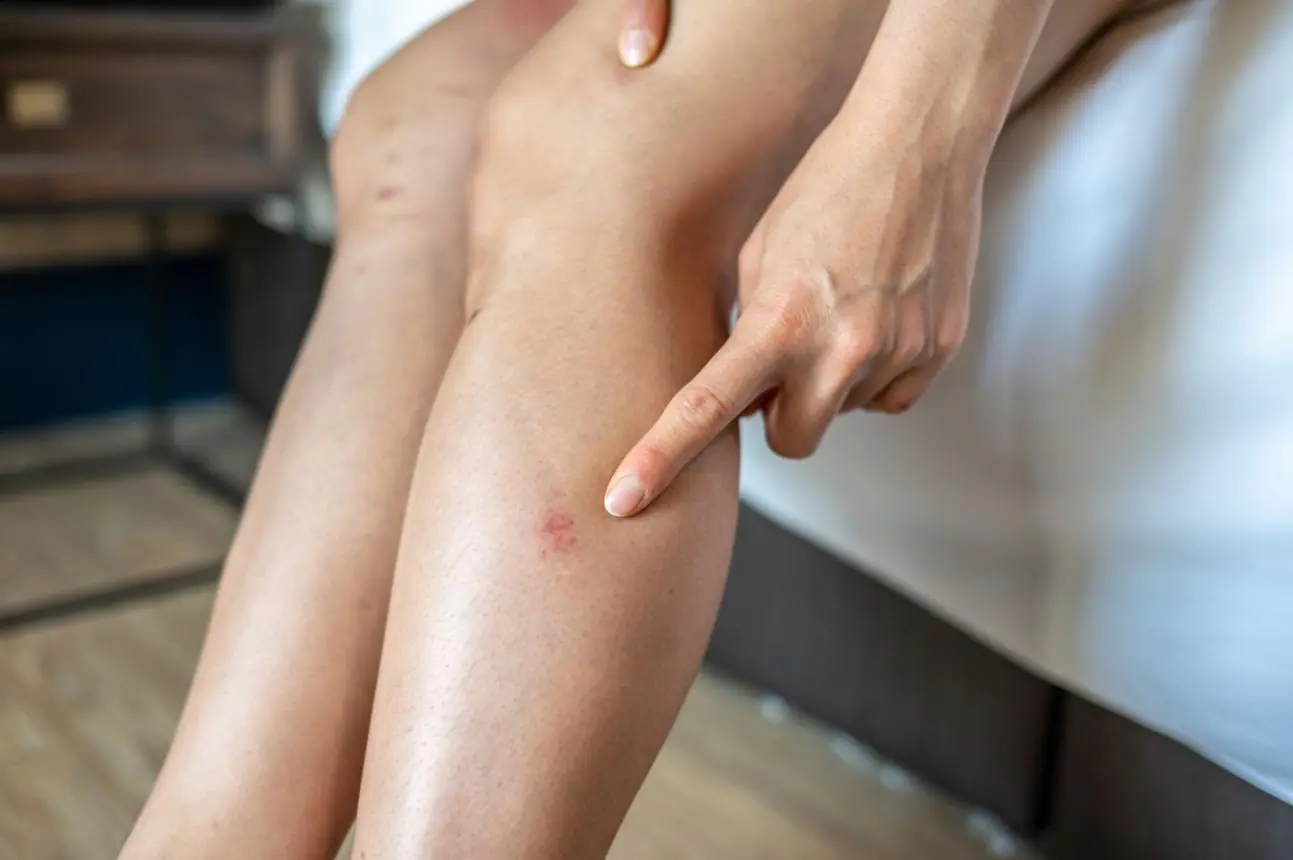
Before assuming that unexplained bruises point to a serious illness, it helps to understand the many everyday factors that can make bruising more likely. The skin and blood vessels form part of a complex system, and even small changes in that system can affect how easily a mark appears after an impact.
Age and skin changes
As people grow older, the skin often becomes thinner and loses some of the protective cushioning provided by the tissue beneath it. Small blood vessels may become more vulnerable to minor impacts, allowing bruises to form more easily. Sun exposure over many years can also contribute to skin fragility. As a result, older adults may notice bruises on their forearms, hands, or lower legs after activities that previously caused no visible mark.
This does not mean that all bruising in older adults should automatically be attributed to age. A sudden increase in bruising, large marks without a clear cause, or additional bleeding symptoms still deserves medical attention. Age can be part of the explanation, but it should not be used to dismiss a significant change.
Medication and supplements