If your teeth have white spots like this and they don't go away, you should see a dentist immediately for treatment.
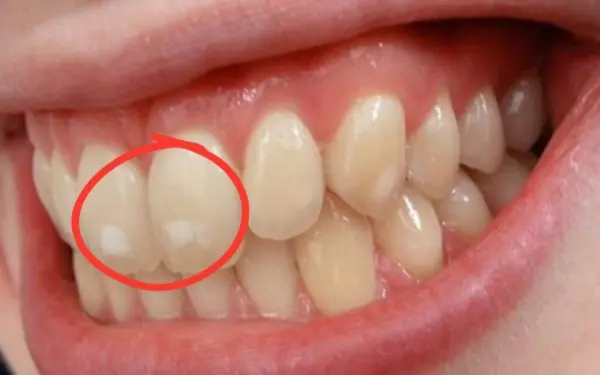
Why Do Teeth Have White Spots?
There are several causes for white spots on teeth, some of which are preventable, while others are not. Some are specific to young children, while others can occur at any point in life.
-
Fluorosis
Fluorosis is a common cause of white spots on teeth, particularly in young children with developing teeth. It doesn’t harm the teeth but makes them appear unevenly colored. This can usually be prevented and corrected because the main cause is excessive exposure to fluoride, often from toothpaste. While fluoride toothpaste is beneficial, it’s important for children not to use too much, as it can lead to uneven discoloration of tooth enamel. For babies and toddlers, only a small amount of toothpaste should be used, and for young children, a pea-sized amount is ideal. -
Demineralization
For healthy teeth, essential minerals like calcium are necessary. While poor diet can contribute to demineralization, it’s more likely to occur from consuming too many sugary or acidic foods and drinks. When minerals are lost from the teeth, small white spots begin to appear. To prevent this, it’s best to reduce the intake of acidic foods and drinks and maintain a good oral hygiene routine. -
Enamel Hypoplasia
This is a less common cause of white spots but can affect some people. It occurs when there is thinner enamel on the teeth than usual. It can sometimes be seen in children whose parents smoked during pregnancy or due to poor nutrition. However, this is relatively rare, especially since most people today are aware of the dangers of smoking during pregnancy. -
Medications
Certain medications can affect the appearance of teeth, particularly if they are taken while teeth are still developing. Drugs like tetracycline can cause severe internal staining with a slight greenish tint. In contrast, inhaled medications like albuterol can increase the risk of tooth decay.