Be Careful When Buying Cooking Oil: If You See These 3 Words, It May Be a “Blended Oil” ⚠️
Cooking oil is something we use almost every day, but very few people actually pay attention to what’s written on the label. Many assume that all cooking oils are pure and made from a single source. In reality, that’s not always true.
Some products on the market are actually blended (mixed) oils, meaning they are made by combining two or more different types of oils. While this is common in the food industry, the key issue is transparency—many people don’t realize they are buying a mixture instead of a pure oil.
🔍 The 3 Words You Should Watch For
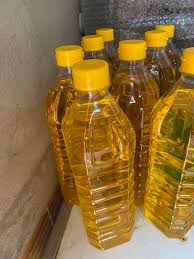
When checking a cooking oil label, be especially careful if you see words like:
- “Blended”
- “Mixed”
- “Vegetable oil” (generic term)
No matter the brand, these terms often indicate that the product is not a single pure oil, but a combination of different oils.
⚠️ Why This Matters
Blended oils are not necessarily unsafe, but they may:
- Contain lower-cost refined oils
- Have an unclear nutritional profile
- Vary in quality depending on the mixture
If you are choosing oil for specific health reasons—such as heart health, cholesterol control, or clean eating—knowing exactly what you’re consuming becomes very important.
🛒 How to Make a Smarter Choice
To choose better cooking oil, keep these tips in mind:
- Look for labels that clearly say “100% pure” or specify a single oil type
- Always read the ingredient list, not just the front packaging
- Be cautious with vague terms like “vegetable oil” without details
- Choose oils that match your cooking needs (e.g., high smoke point for frying)

📝 Final Thoughts
Not all blended oils are bad, but not all are clearly labeled either. The important thing is awareness. A quick glance at those 3 key words can help you understand what you’re really buying—no matter the brand.
👉 When it comes to cooking oil, reading the label carefully is the simplest way to protect your health and make smarter choices in the kitchen.