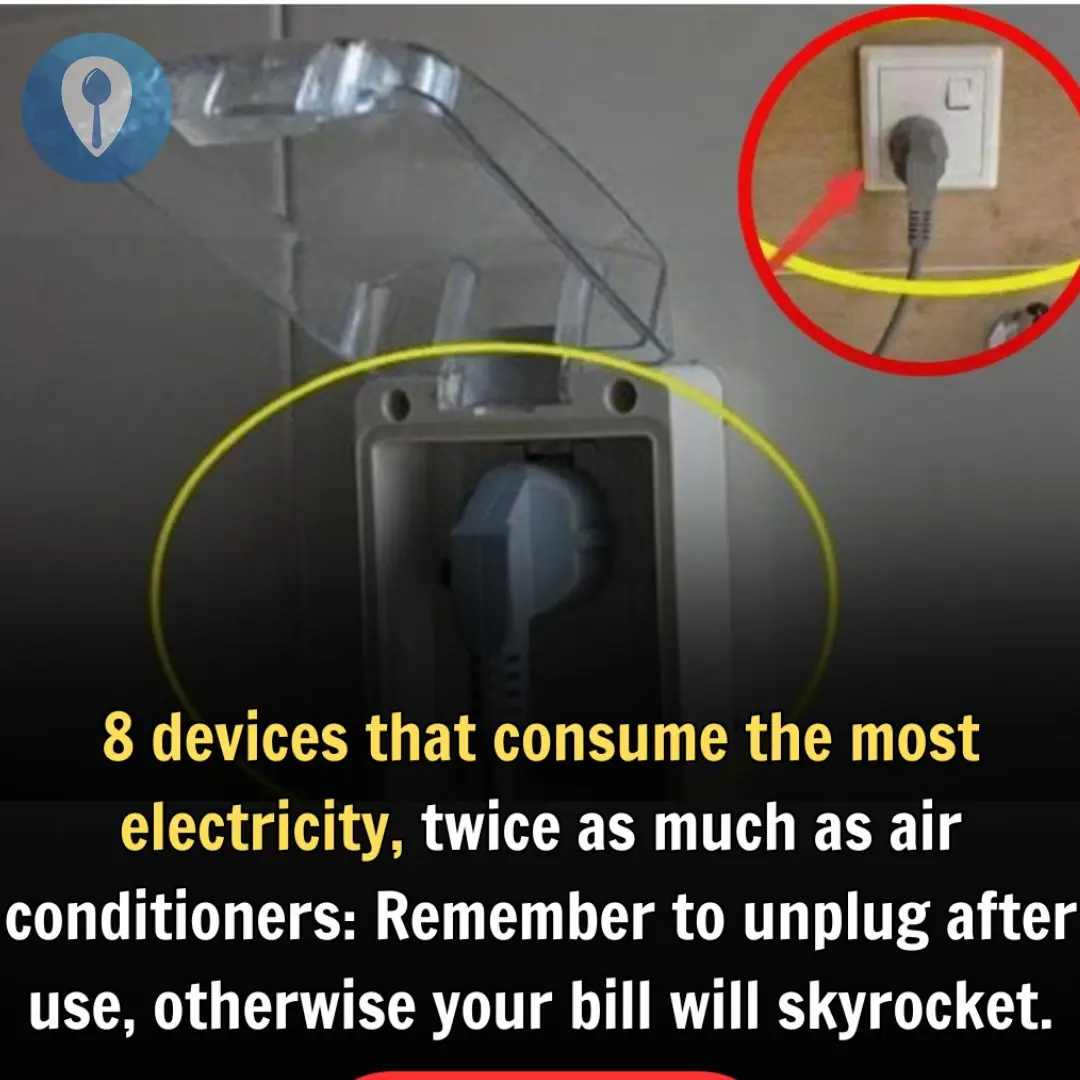
8 Devices That Consume the Most Electricity
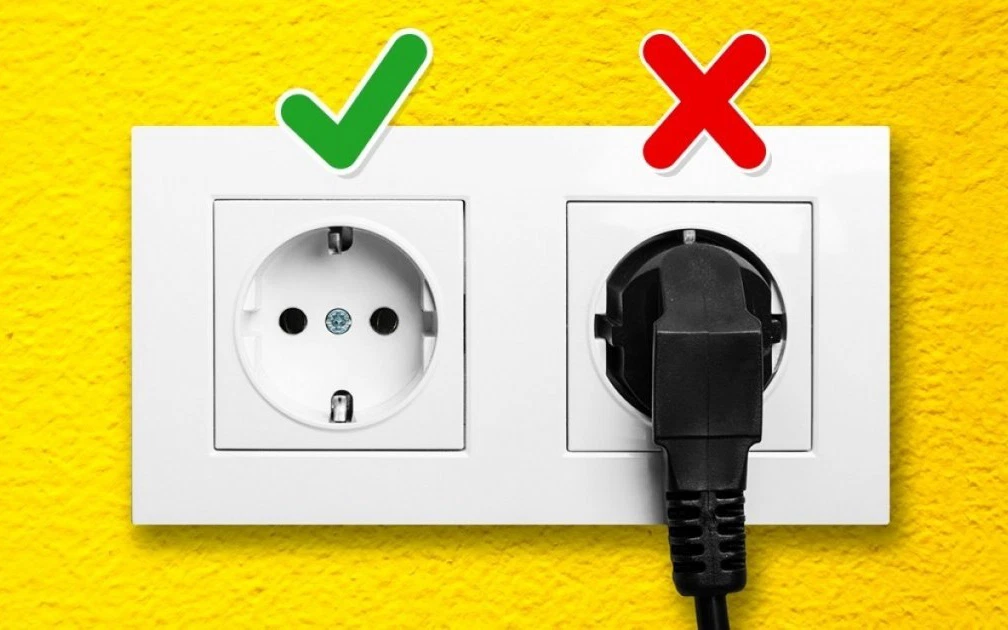
We all want to keep our electricity bills in check, and one way to do so is by being mindful of the devices we use. While air conditioners are often blamed for high energy consumption, there are other devices in your home that can significantly impact your electricity usage. Some consume more energy than you might expect, and leaving them plugged in after use can lead to unnecessary costs.
1. Air Conditioners
Air conditioners are well-known for their high electricity usage. They require a large amount of power to cool your home effectively. However, turning off your AC when not needed or using a programmable thermostat to regulate its operation can help reduce its impact on your bills.
2. Refrigerators
Your refrigerator is likely running 24/7, and while it’s essential for keeping your food fresh, it can also be a major energy hog. Keeping it unplugged when it’s not in use (for instance, when going on long vacations) can make a big difference in your electricity consumption.
3. Water Heaters
Water heaters, especially traditional tank-style ones, consume significant electricity. Heating water for showers, washing dishes, and other activities can add up quickly. You can reduce energy usage by turning down the thermostat on your water heater or using it only when necessary.
4. Clothes Dryers
Clothes dryers are another energy-intensive appliance in many households. They use a lot of electricity to dry clothes, so it’s a good idea to air-dry clothes whenever possible. If you do use the dryer, make sure to clean the lint filter regularly to maintain efficiency.
5. Washing Machines
Although not as energy-hungry as dryers, washing machines still consume a considerable amount of electricity. Opting for energy-efficient models and washing clothes with cold water can reduce your electricity usage.
6. Microwave Ovens
Microwave ovens use a significant amount of energy to heat food quickly. While they use less energy than traditional ovens, they are still a source of high electricity consumption. Unplugging them when not in use can help prevent energy waste.
7. Television
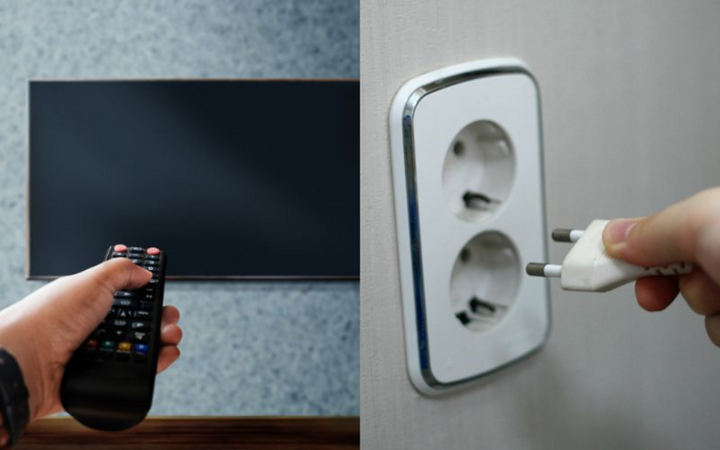
Modern televisions, especially large flat-screen models, can use a lot of electricity, particularly if they are left on for extended periods. Make it a habit to turn off the TV when you’re not watching, or consider using a smart power strip that automatically powers down devices when not in use.
8. Computers and Gaming Consoles
Many people leave their computers and gaming consoles plugged in, even when they’re not in use. These devices draw power even in standby mode. Unplugging them or using power-saving settings can save a considerable amount of energy over time.
Conclusion
To avoid high electricity bills, it’s important to be mindful of the devices that consume the most energy. While air conditioners and refrigerators are major culprits, other everyday devices, such as microwaves, TVs, and computers, can also contribute to your electricity usage. Remembering to unplug appliances when they’re not in use can help reduce unnecessary consumption and lower your monthly bills. Small changes in your habits can lead to significant savings over time!