Bell peppers are a colorful staple in kitchens around the world. They can be eaten raw, roasted, grilled, stuffed, stir-fried, or added to salads and soups.
Red, yellow, orange, and green bell peppers all come from the same general plant family, but their nutritional profiles can differ depending on variety and maturity.
They are particularly well known for their vitamin C, carotenoids, fiber, and other plant compounds.
But like any food, bell peppers aren't perfect for everyone.
Some people may experience digestive discomfort after eating them, while others may need to consider allergies, individual food sensitivities, or how the peppers are prepared.
So before assuming that eating more bell peppers is automatically better, here's what you should know.
?qlt=85&wid=1024&ts=1699001837661&dpr=off)
1. Bell Peppers Are Packed With Vitamin C
One of the biggest nutritional advantages of bell peppers is their vitamin C content.
Vitamin C plays several important roles in the body, including supporting:
-
Normal immune function
-
Collagen production
-
Wound healing
-
Healthy skin
-
Iron absorption
-
Antioxidant protection
Red and yellow bell peppers can be particularly rich sources of vitamin C.
Including bell peppers in meals can therefore help contribute to your daily intake of this essential nutrient.
However, you don't need to eat enormous amounts to benefit.
A varied diet containing fruits and vegetables is generally the best way to obtain vitamin C and other micronutrients.
2. Their Color Tells You Something About Their Nutrients
Have you ever wondered why bell peppers come in so many colors?
Green bell peppers are generally harvested earlier, while red, yellow, and orange peppers are allowed to mature further.
As they mature, their flavor, texture, and nutrient composition can change.
Red peppers, for example, tend to contain higher levels of certain carotenoids than green peppers.
Different colors can therefore provide somewhat different combinations of plant compounds.
Instead of obsessing over which color is "healthiest," a better strategy is simply to eat a variety of colorful vegetables.
3. They Contain Antioxidant Plant Compounds
Bell peppers contain carotenoids and other phytochemicals that have antioxidant activity.
These compounds help protect cells from oxidative stress as part of the body's normal defense systems.
Red peppers contain carotenoids such as beta-carotene and capsanthin, while other varieties contain different combinations of plant pigments.
This is one reason nutrition experts often encourage people to eat vegetables with different colors.
However, claims that bell peppers can "flush toxins" or completely protect the body from disease go beyond the evidence.
Antioxidants are part of a healthy diet—not a miracle cure.
4. Bell Peppers Provide Fiber
Bell peppers also contribute dietary fiber.
Fiber helps support:
-
Regular bowel movements
-
Digestive health
-
Satiety
-
A healthy gut microbiome
A diet rich in vegetables, fruits, legumes, and whole grains can provide a broad variety of fibers that support normal digestive function.
If you currently eat very little fiber, however, suddenly eating large quantities of vegetables may cause temporary bloating or gas.
Increase your intake gradually and drink enough fluids.
5. They Are Naturally Low in Calories
For people trying to improve the overall quality of their diet, bell peppers can be an easy addition.
They contain a lot of water and relatively few calories while providing useful vitamins and plant compounds.
You can use them to add volume and flavor to meals without relying heavily on high-calorie sauces or processed ingredients.
For example, sliced bell peppers can be added to:
-
Salads
-
Omelets
-
Stir-fries
-
Grain bowls
-
Soups
-
Sandwiches
-
Wraps
They can also replace some higher-calorie ingredients in certain recipes.
6. They May Support Heart Health
Bell peppers can fit well into a heart-friendly eating pattern because they provide potassium, fiber, vitamin C, and antioxidant compounds.
A diet rich in vegetables is associated with better cardiovascular health.
However, no single vegetable can prevent heart disease.
Blood pressure, cholesterol, smoking, physical activity, body weight, diabetes, sleep, genetics, and overall dietary patterns all matter.
Think of bell peppers as one useful piece of a much bigger picture.
7. They May Support Eye Health
Bell peppers contain carotenoids that contribute to normal eye function.
Some carotenoids, including lutein and zeaxanthin, are particularly relevant to eye health because they are concentrated in the retina.
Red and orange peppers can also provide beta-carotene, which the body can convert into vitamin A.
Vitamin A is essential for normal vision.
However, eating bell peppers doesn't guarantee protection from age-related eye conditions.
Regular eye examinations and an overall nutrient-rich diet remain important.
But Bell Peppers Aren't Perfect for Everyone
This is where the conversation becomes more interesting.
Although bell peppers are nutritious for most people, certain individuals may experience symptoms after eating them.
8. They May Cause Digestive Discomfort
Some people report bloating, gas, abdominal discomfort, or changes in bowel habits after eating bell peppers.
This can happen for several reasons.
Individual digestive sensitivity varies.
Some people may have difficulty tolerating certain carbohydrates or fibers, while others may simply react to large portions.
If you have irritable bowel syndrome (IBS) or another digestive condition, you may notice that certain vegetables trigger symptoms.
Keeping a food and symptom diary can help identify patterns.
If symptoms are severe or persistent, talk with a healthcare professional or registered dietitian rather than eliminating large numbers of foods without guidance.:quality(75)/2024_1_13_638407701179925213_an-ot-chuong-dung-cach.jpg)
9. Raw Peppers May Be Harder for Some People to Digest
The way you prepare bell peppers can make a difference.
Raw peppers are crunchy and contain intact plant cell structures and fiber.
Some people tolerate them perfectly.
Others find cooked peppers easier on their digestive system.
Roasting, steaming, or sautéing them can soften their texture and may make them more comfortable to eat.
If raw bell peppers consistently cause bloating or discomfort, try a smaller portion or eat them cooked.
10. Food Allergies Are Possible
Although uncommon, people can develop an allergic reaction to bell peppers.
Symptoms may include:
-
Itching or tingling in the mouth
-
Hives
-
Swelling
-
Stomach symptoms
-
Wheezing
-
Difficulty breathing
Some people with pollen allergies can also experience oral allergy syndrome, in which certain raw fruits or vegetables trigger itching or tingling in the mouth because of cross-reacting proteins.
Cooking can sometimes reduce these reactions, although this isn't true for every allergy.
If you experience swelling of the lips or throat, difficulty breathing, or other signs of a severe allergic reaction, seek emergency medical care.
11. What About Nightshade Sensitivity?
Bell peppers belong to the nightshade family, which also includes tomatoes, potatoes, and eggplants.
Some people claim that nightshade vegetables cause widespread inflammation, joint pain, or other health problems.
There is not strong evidence that nightshades generally cause inflammation in healthy people.
For most individuals, bell peppers can be part of a healthy diet.
If you personally notice a consistent reaction after eating a particular food, however, it is reasonable to discuss the pattern with a healthcare professional rather than assuming all nightshade vegetables are harmful.
12. Bell Peppers and Acid Reflux
Bell peppers are not automatically a problem for people with acid reflux.
However, individual triggers vary.
Some people with GERD may notice symptoms after eating certain vegetables or meals, particularly when the peppers are combined with spicy sauces, high-fat ingredients, garlic, onions, or large amounts of food.
If you experience heartburn after eating bell peppers, pay attention to the entire meal rather than automatically blaming the pepper.
Food diaries can help identify personal triggers.
What About Bell Peppers and Blood Sugar?
Bell peppers contain relatively little carbohydrate compared with many starchy foods.
They can therefore be a useful vegetable choice for people who are trying to manage blood glucose.
However, the preparation matters.
A simple serving of roasted bell peppers is very different from peppers cooked in a sugary sauce or served alongside a highly refined meal.
People with diabetes should focus on the overall meal composition and portion sizes rather than labeling individual vegetables as "good" or "bad."
Can Bell Peppers Help With Weight Loss?
Bell peppers can certainly fit into a weight-management diet.
They're relatively low in calories and can add volume, color, texture, and flavor to meals.
But eating bell peppers doesn't directly "burn belly fat."
Sustainable weight loss depends on overall energy balance and is influenced by:
-
Food choices
-
Portion sizes
-
Physical activity
-
Sleep
-
Stress
-
Genetics
-
Medications
-
Metabolic health
The most useful role for bell peppers is as a nutrient-rich food that can replace less nutritious, calorie-dense options.
Does Cooking Destroy Their Nutrients?
Cooking can change the nutritional profile of vegetables, but that doesn't mean cooked bell peppers are unhealthy.
Some nutrients are sensitive to heat, while others may become more available after cooking.
For example, vitamin C can decrease with prolonged heating, while certain carotenoids may become easier for the body to absorb after cooking.
The cooking method matters too.
Steaming, roasting, and quick sautéing can be reasonable ways to prepare peppers without excessive added fat.
Boiling for long periods can cause some water-soluble nutrients to move into the cooking water.
The simplest approach is to vary your preparation methods.
Raw or Cooked: Which Is Better?
There's no universal winner.
Raw Bell Peppers
They are:
-
Crunchy
-
Refreshing
-
Convenient
-
Rich in vitamin C
-
Easy to add to salads and snacks
Cooked Bell Peppers
They are:
-
Softer
-
Easier for some people to digest
-
Useful in soups and stir-fries
-
Flavorful when roasted
-
Easy to combine with other vegetables
If your stomach tolerates raw peppers well, enjoy them.
If raw peppers cause discomfort, try cooking them.
The healthiest preparation is often the one that allows you to eat a variety of vegetables consistently.
Be Careful With What You Add to Them
A healthy vegetable can become part of a much less healthy meal depending on how it's prepared.
Consider the difference between:
Roasted bell peppers + olive oil + herbs
and
Bell peppers + processed meat + large amounts of cheese + creamy sauce.
The pepper hasn't changed.
The overall nutritional profile of the meal has.
If you're trying to maximize the health benefits of bell peppers, use them alongside foods such as:
-
Beans
-
Lentils
-
Fish
-
Eggs
-
Lean poultry
-
Whole grains
-
Nuts
-
Seeds
-
Other vegetables
Should You Eat Bell Peppers Every Day?
For most healthy people, eating bell peppers regularly is perfectly reasonable.
But you don't need to eat them every day.
Nutritional variety matters.
Instead of eating enormous quantities of one vegetable, rotate among different options:
Broccoli, spinach, carrots, tomatoes, bell peppers, cabbage, mushrooms, green beans, squash, and leafy greens can all contribute different nutrients and plant compounds.
Variety is one of the easiest ways to build a nutrient-dense diet.
How to Choose Fresh Bell Peppers
When shopping, look for peppers that are:
-
Firm
-
Smooth
-
Heavy for their size
-
Free of significant soft spots
-
Free of mold
-
Brightly colored
Avoid peppers with extensive wrinkling, leaking, or visible mold.
Store them appropriately in the refrigerator to maintain freshness.
Before eating, wash fresh produce under running water.
You don't need special vegetable soap.
What About Organic Bell Peppers?
Both conventional and organic bell peppers can be nutritious.
If you choose organic produce, that's a personal preference.
For conventional produce, washing under running water can help remove dirt and some surface contaminants.
The most important thing is to eat enough fruits and vegetables overall.
Don't let the choice between organic and conventional prevent you from eating produce altogether.
A Simple Way to Add More Bell Peppers
If you're looking for easy options, try:
Breakfast
Add diced peppers to scrambled eggs or an omelet.
Lunch
Slice them into a salad or wrap.
Dinner
Roast peppers with chicken, fish, beans, or other vegetables.
Snack
Eat raw pepper strips with hummus or another nutritious dip.
Meal Prep
Chop several peppers at once and store them in the refrigerator for use throughout the week.
These small changes can make it easier to increase your vegetable intake without making your diet complicated.
When Should You Be Concerned?
Bell peppers are generally safe, but seek medical advice if you repeatedly experience significant symptoms after eating them.
Especially important are:
-
Severe abdominal pain
-
Persistent vomiting
-
Significant diarrhea
-
Unexplained weight loss
-
Repeated allergic reactions
-
Swelling of the lips or throat
-
Difficulty breathing
Don't assume that every digestive symptom is caused by bell peppers.
A healthcare professional can help determine whether the issue is an allergy, intolerance, digestive condition, or something unrelated.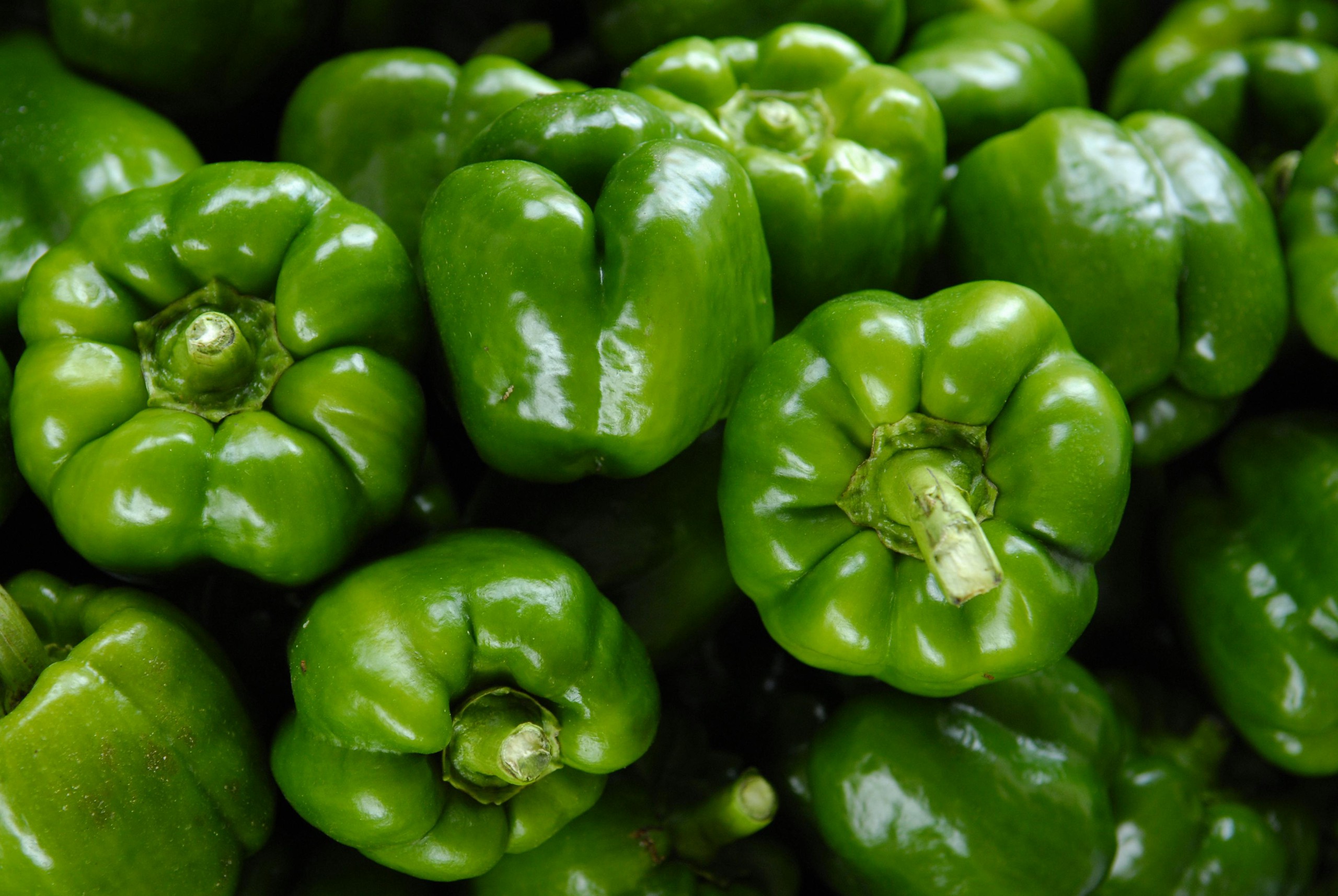
The Bottom Line
Bell peppers are generally a nutrient-dense, low-calorie vegetable that can contribute vitamin C, fiber, carotenoids, potassium, and other beneficial plant compounds to the diet.
Their different colors offer somewhat different combinations of nutrients, making variety a good strategy.
But no food is universally perfect.
Some people may experience bloating, digestive discomfort, reflux symptoms, or allergic reactions, particularly when eating large amounts or consuming raw peppers.
For most people, however, there is no reason to fear bell peppers.
Choose fresh peppers, wash them properly, experiment with both raw and cooked preparations, and pay attention to how your own body responds.
Most importantly, don't fall for extreme claims that bell peppers are either a miracle food or a dangerous vegetable.
Good nutrition isn't about finding one perfect food. It's about building a varied diet filled with nutritious foods that you can enjoy consistently.