Fresh vegetables are among the healthiest foods you can eat. They're packed with vitamins, minerals, fiber, and beneficial plant compounds that support overall health. Many vegetables are delicious raw, adding crisp texture and vibrant flavor to salads, sandwiches, wraps, and snacks.
However, while eating more vegetables is strongly encouraged, raw produce is not completely risk-free.
Vegetables can sometimes become contaminated with bacteria, parasites, viruses, soil, or other environmental contaminants before they reach your kitchen. This contamination doesn't mean the vegetable itself is unsafe—it simply means that proper washing, storage, and preparation are important.
The good news is that the risk can usually be reduced through safe food-handling practices.
Here are seven vegetables that deserve extra attention before being eaten raw, along with practical tips for keeping your meals as safe as possible.
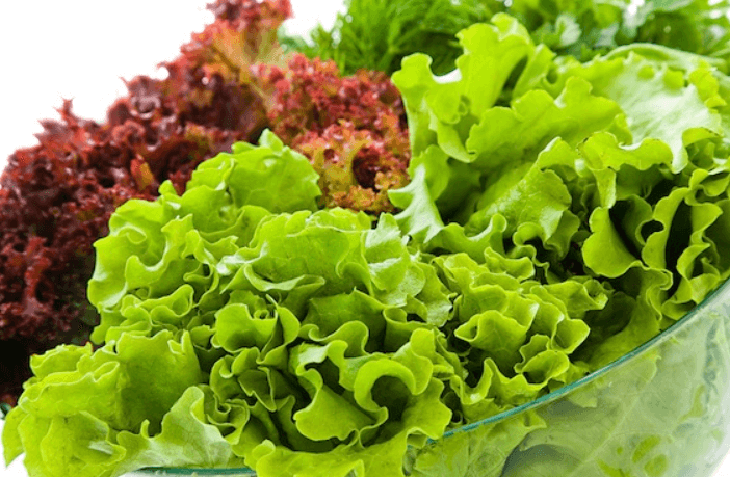
1. Lettuce
Lettuce is one of the most commonly consumed raw vegetables in the world.
Because its leaves grow close together, dirt, sand, insects, and microorganisms can become trapped between the layers.
Unlike vegetables that are cooked, lettuce is usually eaten exactly as it comes from the refrigerator.
Over the years, outbreaks of foodborne illness involving leafy greens have occasionally been linked to bacteria such as:
-
Escherichia coli (E. coli)
-
Salmonella
-
Listeria monocytogenes
This doesn't mean lettuce is dangerous.
Millions of people eat it safely every day.
The key is careful preparation.
How to Reduce the Risk
-
Remove damaged outer leaves.
-
Separate the leaves.
-
Rinse each leaf thoroughly under clean running water.
-
Dry using a clean salad spinner or paper towels.
-
Refrigerate promptly.
2. Spinach
Spinach is rich in iron, folate, vitamin K, and antioxidants, making it one of the most nutritious leafy greens.
However, like lettuce, spinach is often eaten raw in salads and smoothies.
Its textured leaves can trap soil particles more easily than smooth vegetables.
Because spinach grows close to the ground, it may also come into contact with contaminated irrigation water or animal waste before harvest.
Thorough washing is especially important.
People at higher risk of severe foodborne illness—including pregnant individuals, older adults, and people with weakened immune systems—may choose cooked spinach in certain situations.
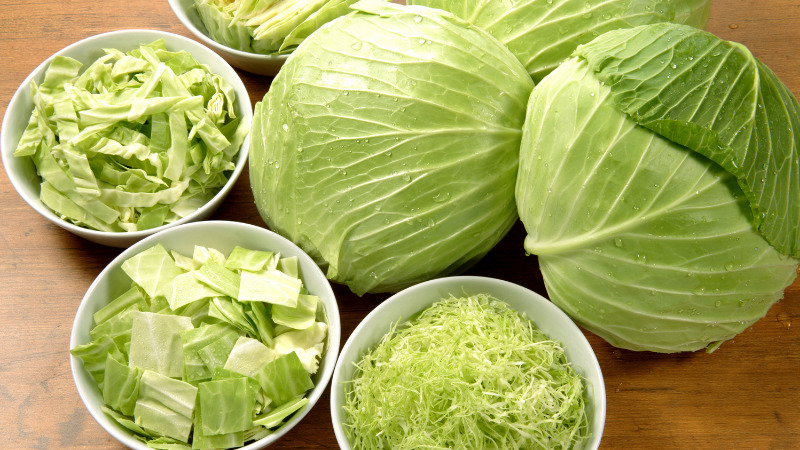
3. Cabbage
Cabbage is incredibly versatile.
It can be used in salads, coleslaw, wraps, kimchi, soups, and stir-fries.
Raw cabbage is generally safe when handled properly, but its tightly packed leaves can hide dirt and small insects.
Cutting away damaged outer leaves and rinsing each remaining leaf under running water helps reduce contamination.
If cabbage has been sitting for an extended period after being shredded, keep it refrigerated and avoid leaving it at room temperature for hours.
4. Bean Sprouts
Bean sprouts deserve special attention.
Unlike many vegetables, sprouts are grown in warm, moist conditions—an environment that also allows bacteria to multiply if contamination occurs.
Sprouts have been associated with outbreaks involving:
-
Salmonella
-
E. coli
Because contamination may occur inside the sprout as it grows, washing alone may not remove all bacteria.
For this reason, many food safety authorities recommend that people at higher risk—such as pregnant women, older adults, young children, and individuals with weakened immune systems—eat cooked sprouts instead of raw sprouts.
Light cooking can significantly reduce microbial risk.
5. Watercress
Watercress is a flavorful leafy vegetable commonly added to soups and salads.
Historically, wild watercress growing in natural streams has been associated with certain parasites in some regions of the world if consumed raw.
Commercially cultivated watercress produced under regulated agricultural conditions is generally much safer.
Still, watercress should always be washed thoroughly before eating.
If you harvest wild watercress yourself, avoid consuming it raw unless you are confident it comes from a safe, uncontaminated source.
6. Parsley and Cilantro
Fresh herbs such as parsley and cilantro add tremendous flavor, but they are sometimes overlooked during washing because people use them in small amounts.
These delicate leaves can collect:
-
Dirt
-
Sand
-
Tiny insects
-
Bacteria
Rather than giving herbs a quick splash of water, separate the stems and rinse thoroughly under cool running water.
A salad spinner works well for drying herbs after washing.
Clean herbs also last longer when stored properly in the refrigerator.
7. Cucumbers
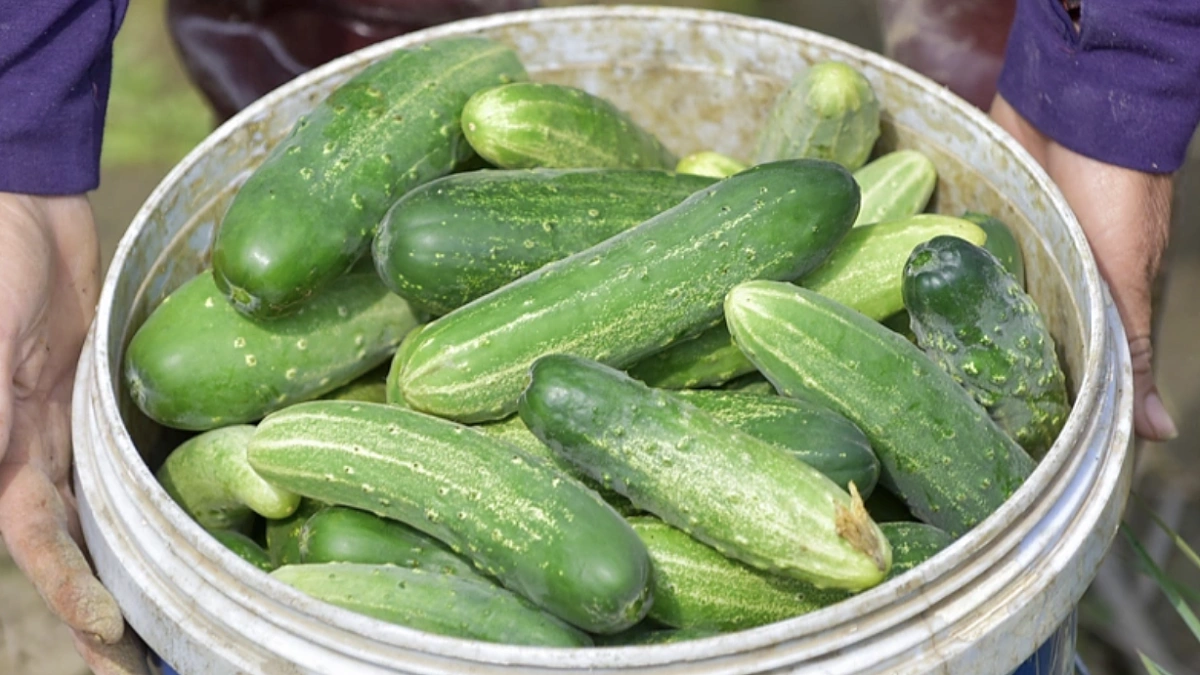
Cucumbers are often eaten with the skin on.
That's perfectly fine—but remember that the outer surface is exposed throughout growing, harvesting, transportation, and handling.
Even if you plan to peel the cucumber, washing it first is still recommended.
Otherwise, your knife can transfer microorganisms from the skin to the edible interior during slicing.
Scrub firm vegetables like cucumbers gently under running water with clean hands or a produce brush if appropriate.
Avoid using soap, bleach, or household detergents on produce.
Can Vegetables Really Carry Parasites?
Yes—but it's important to understand the context.
Vegetables themselves do not produce parasites.
However, if they become contaminated by soil, untreated water, or animal or human waste, parasite eggs or microscopic organisms may occasionally be present on their surfaces.
Examples include:
-
Giardia
-
Cryptosporidium
-
Cyclospora
The likelihood depends on many factors, including farming practices, sanitation, water quality, and food handling.
Fortunately, proper washing and safe food preparation can reduce many of these risks.
What About Worm Eggs?
You may have seen alarming social media posts claiming that certain vegetables are "full of worm eggs."
These claims are often exaggerated or presented without context.
While contamination with parasite eggs is possible under certain circumstances, it is not accurate to say that specific vegetables naturally contain worm nests.
The real issue is environmental contamination—not the vegetable itself.
Good agricultural practices, clean irrigation water, proper sanitation, and careful washing all help reduce the risk.
Should You Wash Pre-Washed Salad Mixes?
Many packaged salad greens are labeled:
-
"Pre-washed"
-
"Triple-washed"
-
"Ready to eat"
Food safety authorities generally state that these products do not require additional washing before consumption.
In fact, washing them again at home may introduce contamination if the sink or utensils are not clean.
Always read the package instructions.
If the product is labeled "ready to eat," follow the manufacturer's guidance.
The Right Way to Wash Vegetables
Fortunately, washing vegetables is simple.
Follow These Steps
-
Wash your hands with soap and water first.
-
Clean cutting boards, knives, and countertops.
-
Rinse vegetables under cool running water.
-
Rub firm produce gently with clean hands or a produce brush.
-
Remove damaged or bruised areas.
-
Dry with a clean towel or salad spinner if desired.
There is generally no need to use soap, bleach, vinegar, or commercial produce washes for routine home use.
Plain running water is sufficient for most fruits and vegetables.
Can Cooking Reduce the Risk?
Yes.
Cooking can significantly reduce or eliminate many bacteria and parasites that may be present on food.
Vegetables commonly enjoyed both raw and cooked include:
-
Spinach
-
Cabbage
-
Mushrooms
-
Asparagus
-
Green beans
-
Broccoli
If you're uncertain about the safety of a particular vegetable—or if you're preparing food for someone with a weakened immune system—cooking may provide an additional layer of protection.
Who Should Be Extra Careful?
Although most healthy adults recover from mild foodborne illness, certain groups face a higher risk of serious complications.
These include:
-
Pregnant women
-
Older adults
-
Young children
-
Organ transplant recipients
-
People receiving chemotherapy
-
Individuals with weakened immune systems
These individuals may benefit from avoiding certain raw foods that carry a higher risk, including raw sprouts and unpasteurized products.
Safe Storage Matters Too
Even perfectly washed vegetables can become unsafe if stored improperly.
Remember these simple rules:
-
Refrigerate perishable vegetables promptly.
-
Store them in clean containers or produce drawers.
-
Separate raw vegetables from raw meat, poultry, and seafood.
-
Discard vegetables that develop slime, mold, or an unpleasant odor.
-
Observe expiration dates on packaged produce.
Cross-contamination in the kitchen is often a bigger risk than the vegetables themselves.
Don't Let Food Safety Stop You From Eating Vegetables
Sometimes sensational headlines make people afraid of fresh produce.
That would be unfortunate.
Vegetables remain one of the healthiest parts of nearly every balanced eating pattern.
Eating more vegetables has been associated with a lower risk of many chronic diseases, including heart disease, type 2 diabetes, and certain cancers.
The goal isn't to avoid raw vegetables.
The goal is to prepare them safely.
The Bottom Line
Raw vegetables are nutritious, refreshing, and an important part of a healthy diet.
However, because they may occasionally become contaminated with bacteria, parasites, or environmental debris before reaching your table, proper washing and food safety practices are essential.
Pay particular attention to leafy greens, bean sprouts, fresh herbs, and other vegetables that are commonly eaten raw.
Wash them under clean running water, store them properly, and cook higher-risk items when appropriate.
Remember, vegetables don't naturally "hide worm nests." The real concern is contamination that can occur during growing, harvesting, transportation, or preparation.
With sensible food-handling habits, you can continue enjoying the many health benefits of fresh vegetables while reducing the risk of foodborne illness.