Bitten by a Snake? Follow These Expert-Recommended First Steps

The First Thing to Do After a Snake Bite, According to Experts
Theme:
Font Size:
24px

A snake bite can turn an ordinary walk, hike, gardening session, or day outdoors into a frightening emergency within seconds.

The first reaction is often panic. People may run, shout, try to catch the snake, or reach for a homemade remedy they have heard about.

But when a snake bite happens, the most important thing is not to panic or waste time on unproven treatments.

The safest response is to move away from the snake, stay as calm and still as possible, and seek emergency medical care promptly. Because the appropriate treatment depends on the species of snake, the location of the bite, and the person's symptoms, a suspected bite from a venomous snake should be treated seriously.

Here are the key steps to take.
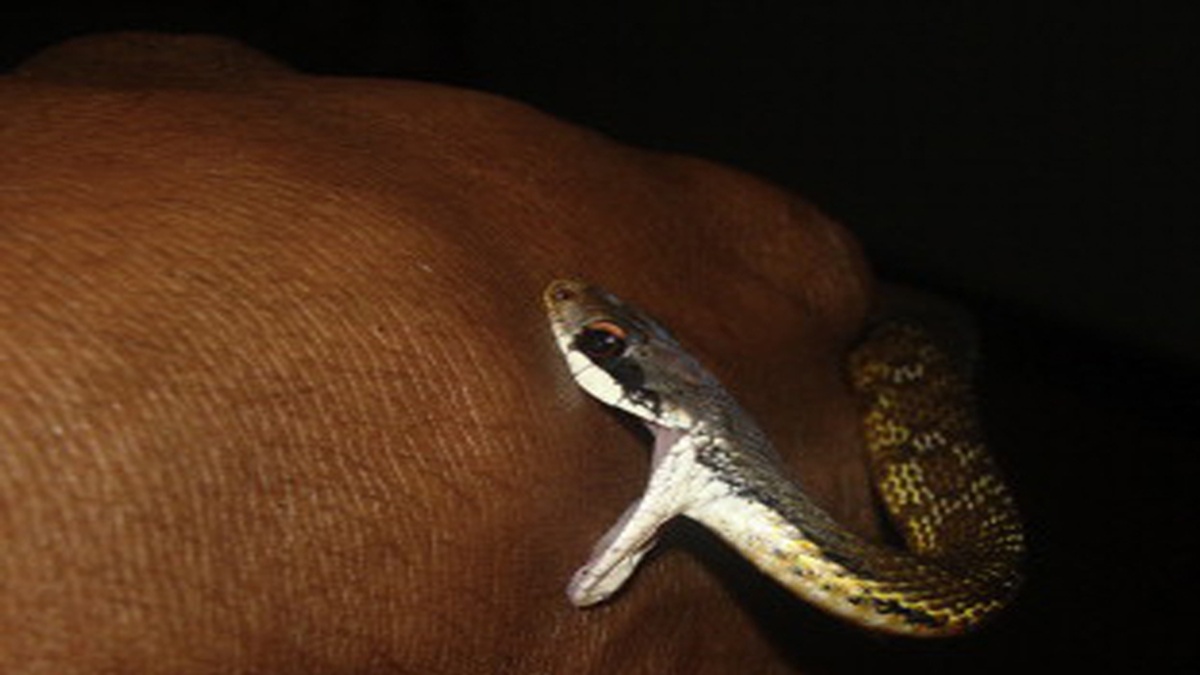
Nhà khoa học sợ ánh sáng, nôn ra máu vì rắn cắn | Znews.vn

1. Get Away From the Snake First

Your immediate priority is to create distance.

A snake may still be close after the bite, and trying to identify, photograph, capture, or kill it can result in another bite.

Move away from the animal without making unnecessary movements.

Once you're at a safe distance, do not approach it again.

If the snake is still nearby and can be seen safely, remember its general appearance or location. That information may eventually help medical professionals, but your safety comes first.

You do not need to prove what species it was.

2. Call for Emergency Medical Help

A suspected venomous snake bite should receive prompt medical evaluation.

Call your local emergency number or arrange emergency medical transport according to the circumstances.

Tell the dispatcher that a snake bite has occurred and provide the location.

If possible, mention whether the snake appeared venomous, but don't delay the call while trying to identify it.

The sooner medical professionals can assess the situation, the sooner they can determine whether treatment such as antivenom or other supportive care may be necessary.

3. Stay as Calm and Still as Possible

This may be easier said than done, but remaining calm is important.

Physical activity can increase circulation and may contribute to faster movement of venom through the body.

Once you're safely away from the snake, minimize unnecessary movement.

Sit or lie down if practical while waiting for assistance.

Don't run back to your vehicle if doing so requires crossing difficult terrain.

Don't hike several miles to find help when emergency assistance is available.

Let other people assist you whenever possible.

4. Keep the Bitten Area Still

If the bite is on an arm or leg, try to keep the affected limb still and in a comfortable position.

Remove rings, watches, bracelets, tight shoes, or restrictive clothing from the affected area as swelling can develop.

Do not tightly bind the limb unless specifically instructed to do so by trained medical professionals using a protocol appropriate for the snake and region.

The goal is to minimize unnecessary movement without creating another injury.

5. Do Not Cut the Bite

One of the oldest snakebite myths is that you should cut open the wound to let venom escape.

Do not do this.

Cutting the skin can cause additional bleeding, tissue damage, infection, and other complications.

It does not provide a reliable way to remove venom from the body.

Once venom has entered tissue, cutting the skin doesn't solve the problem.

Professional medical treatment is the appropriate response.

6. Never Try to Suck Out the Venom

Another familiar piece of advice is to suck the venom out of the wound.

This is not recommended.

It does not reliably remove clinically significant amounts of venom and can cause additional injury or introduce bacteria into the wound.

Don't use your mouth.

Don't use suction devices unless a medical professional specifically directs you to do so under a current regional protocol.

The priority should remain emergency medical evaluation.

7. Avoid Ice and Extreme Cold

Applying ice or extreme cold to a snakebite may seem logical because it can reduce pain and swelling.

However, extreme cold can damage tissue and is not an appropriate treatment for venomous snakebite.

Instead, keep the area protected and relatively still while waiting for professional help.

Don't experiment with freezing packs or other extreme-temperature treatments.

8. Don't Apply a Tight Tourniquet

A tourniquet may seem like an obvious way to stop venom from spreading, but improperly applied tourniquets can cause severe problems.

They can restrict blood flow and potentially cause additional tissue damage.

For this reason, people should not improvise a tourniquet unless they have been specifically trained in a protocol appropriate to the situation.

Snakebite management can vary by region and snake species, so generalized internet advice can be dangerous.


Cách sơ cứu khi bị rắn cắn: Nên và không nên làm gì?

9. Don't Drink Alcohol or Take Unnecessary Substances

After a snake bite, some people may try alcohol, herbal preparations, stimulants, or other substances they believe will counteract venom.

These methods are not substitutes for medical treatment.

Avoid consuming alcohol.

Do not rely on herbal remedies.

And don't take medications simply because someone claims they “neutralize” snake venom.

Tell medical professionals what medications you normally take and what, if anything, you have already used.

10. Don't Try to Catch or Kill the Snake

This deserves repeating.

Once you're safe, leave the snake alone.

Trying to catch it creates an entirely unnecessary risk of a second bite.

If someone else has seen the snake from a safe distance, their description may be enough to help healthcare professionals.

A photograph can be useful only when it can be taken safely without approaching the snake.

A blurry photo is not worth another bite.

What Symptoms Might Develop?

Snakebite symptoms vary significantly depending on the species, amount of venom delivered, location of the bite, and individual factors.

Possible symptoms can include:

Pain or tenderness around the bite

Swelling

Bruising or discoloration

Bleeding or blistering

Nausea or vomiting

Weakness or dizziness

Numbness or tingling

Difficulty breathing

Changes in vision

Muscle weakness

Some venomous snakes can cause neurological symptoms, while others primarily affect blood clotting, tissue, or the cardiovascular system.

Symptoms may also change over time.

That is why feeling okay immediately after a bite does not necessarily mean there is no danger.

Don't Wait for Severe Symptoms

A common mistake is deciding to “wait and see.”

Someone may think:

“It doesn't hurt much.”

“I don't see much swelling.”

“I feel fine.”

That isn't enough to rule out a serious envenomation.

If a venomous snake bite is suspected, medical assessment should occur promptly.

Healthcare professionals can monitor the person and perform tests to determine whether venom has affected blood clotting, muscles, nerves, or other body systems.

Waiting until severe symptoms appear can make treatment more difficult.

If the Person Is Alone

A snake bite becomes even more concerning when the person is alone outdoors.

After moving to a safe location, call emergency services immediately.

Share your exact location if possible.

If you're hiking, use trail names, landmarks, coordinates, or an emergency location feature on your phone when available.

Don't attempt a long journey alone if you're becoming weak or experiencing significant symptoms.

If you're able to contact someone nearby, ask them to come to you while emergency assistance is arranged.

If Someone Else Has Been Bitten

If you're with the person who was bitten, your job is to help them remain calm and minimize unnecessary movement.

Keep them away from the snake.

Call emergency services.

Help them sit or lie comfortably.

Remove restrictive items from the affected limb.

Monitor them while waiting for medical care.

If they become unconscious, have severe difficulty breathing, or develop another life-threatening emergency, follow the instructions provided by the emergency dispatcher and be prepared to provide basic first aid or CPR if trained.

Keep Track of the Time

If possible, note when the bite occurred.

This information can be useful to medical professionals because symptom progression and treatment decisions may be considered in relation to time since exposure.

You can also note:

Where the bite occurred.

What the snake looked like from a safe distance.

Whether swelling has increased.

Whether new symptoms have appeared.

Which medications the person normally takes.

Whether any treatment has already been attempted.

These details can help clinicians build a clearer picture of the situation.

Don't Assume a “Dry Bite” Yourself

Some venomous snake bites result in little or no venom being injected.

This is sometimes called a dry bite.

The problem is that you cannot reliably determine that yourself based on the appearance of the bite or the absence of immediate symptoms.

That's why suspected venomous bites should still be medically assessed.

A lack of dramatic swelling in the first few minutes isn't proof that the bite is harmless.

What About Nonvenomous Snakes?

Not every snake bite is a venomous emergency.

Some snakes are nonvenomous and may cause only puncture wounds or superficial injuries.

Even so, the wound should be assessed appropriately.

Animal bites can become infected, and tetanus vaccination status may need to be considered.

When there is uncertainty about the species, it is safer to seek professional medical advice rather than trying to diagnose the snake at the scene.

Children Require Special Attention

Snake bites can be particularly concerning in children because a smaller body mass can mean the same amount of venom represents a greater dose per kilogram.

If a child has been bitten by a suspected venomous snake, emergency medical evaluation is especially important.

Do not rely on the child's symptoms to decide whether treatment is necessary.

Children may also have difficulty accurately describing what they are feeling, making professional assessment even more important.

Pets Need Veterinary Care Too

Dogs and other pets can also be bitten while exploring brush, rocks, wood piles, or tall grass.

A pet may not show dramatic symptoms immediately.

If you suspect a snake has bitten a dog or another animal, contact a veterinarian or emergency veterinary service immediately.

Do not attempt to cut the wound, apply a tourniquet, or give human medications unless a veterinarian specifically instructs you to do so.

Why Homemade Remedies Continue to Spread

Snakebite myths have survived for generations because some of them sound intuitive.

Cut the wound.

Suck out the venom.

Freeze the bite.

Tie the limb tightly.

Drink something strong.

Apply a special plant.

The problem is that what sounds logical is not necessarily what works medically.

Modern snakebite treatment is based on understanding venom, monitoring the patient, managing complications, and using antivenom when indicated.

A home remedy cannot substitute for that level of care.

What Does Antivenom Do?

For certain venomous snakebites, doctors may use antivenom.

Antivenom contains antibodies that bind to venom components and help neutralize their effects.

Whether antivenom is appropriate depends on the snake species, clinical findings, laboratory results, and the patient's condition.

Not every snakebite requires antivenom.

And antivenom should be administered in an appropriate medical setting because treatment itself can have risks and requires monitoring.

This is another reason not to attempt to manage suspected envenomation at home.


NHẬN BIẾT VẾT CẮN CỦA RẮN ĐỘC VÀ CÁCH SƠ CỨU KHI BỊ RẮN CẮN

The Best Treatment Starts With the Right First Steps

The first minutes after a snake bite aren't about finding a miracle cure.

They're about preventing additional harm.

Get away from the snake.

Call for emergency medical help.

Stay calm.

Limit movement.

Remove tight items from the affected area.

Avoid cutting, sucking, freezing, or tightly binding the wound.

And never put yourself at additional risk trying to capture the snake.

These actions are simple, but they can help prevent a frightening situation from becoming even more dangerous.

How to Reduce Your Risk of a Snake Bite

The best snakebite treatment is prevention.

When hiking or working in areas where snakes may live, wear sturdy closed-toe footwear and, where appropriate, long pants.

Watch where you step.

Use a flashlight at night.

Avoid reaching blindly beneath rocks, logs, dense vegetation, or piles of debris.

Before sitting on a rock or fallen log, look carefully around the area.

Keep children close and teach them not to approach wildlife.

And if you see a snake, give it plenty of space.

You don't need to know whether it is dangerous to understand that a wild snake should not be handled.

The Bottom Line

A snake bite can be terrifying, but panic and improvised treatments can make the situation worse.

The safest first response is to create distance from the snake, seek emergency medical care promptly, stay as calm and still as possible, and avoid unproven methods such as cutting the wound, sucking venom, applying ice, or using improvised tourniquets.

Don't wait for severe symptoms before seeking help.

Don't try to capture the snake.

And don't assume that a bite is harmless simply because the person initially feels okay.

Most importantly, remember that a snake is part of the environment—not an opponent you need to fight.

The goal isn't to defeat the snake. The goal is to get safely away, get professional care, and give medical professionals the opportunity to do the rest.

News in the same category