6. Never Try to Suck Out the Venom
Another familiar piece of advice is to suck the venom out of the wound.
This is not recommended.
It does not reliably remove clinically significant amounts of venom and can cause additional injury or introduce bacteria into the wound.
Don't use your mouth.
Don't use suction devices unless a medical professional specifically directs you to do so under a current regional protocol.
The priority should remain emergency medical evaluation.
7. Avoid Ice and Extreme Cold
Applying ice or extreme cold to a snakebite may seem logical because it can reduce pain and swelling.
However, extreme cold can damage tissue and is not an appropriate treatment for venomous snakebite.
Instead, keep the area protected and relatively still while waiting for professional help.
Don't experiment with freezing packs or other extreme-temperature treatments.
8. Don't Apply a Tight Tourniquet
A tourniquet may seem like an obvious way to stop venom from spreading, but improperly applied tourniquets can cause severe problems.
They can restrict blood flow and potentially cause additional tissue damage.
For this reason, people should not improvise a tourniquet unless they have been specifically trained in a protocol appropriate to the situation.
Snakebite management can vary by region and snake species, so generalized internet advice can be dangerous.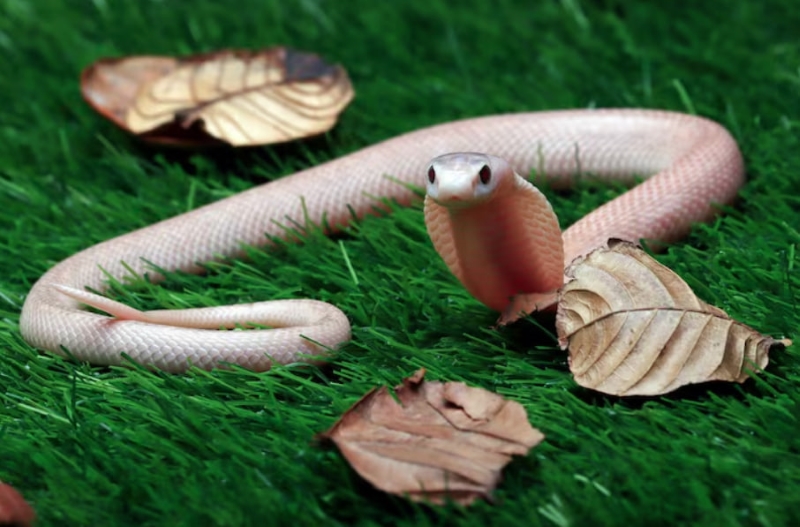
9. Don't Drink Alcohol or Take Unnecessary Substances
After a snake bite, some people may try alcohol, herbal preparations, stimulants, or other substances they believe will counteract venom.
These methods are not substitutes for medical treatment.
Avoid consuming alcohol.
Do not rely on herbal remedies.
And don't take medications simply because someone claims they “neutralize” snake venom.
Tell medical professionals what medications you normally take and what, if anything, you have already used.
10. Don't Try to Catch or Kill the Snake
This deserves repeating.
Once you're safe, leave the snake alone.
Trying to catch it creates an entirely unnecessary risk of a second bite.
If someone else has seen the snake from a safe distance, their description may be enough to help healthcare professionals.
A photograph can be useful only when it can be taken safely without approaching the snake.
A blurry photo is not worth another bite.
What Symptoms Might Develop?
Snakebite symptoms vary significantly depending on the species, amount of venom delivered, location of the bite, and individual factors.
Possible symptoms can include:
Pain or tenderness around the bite
Swelling
Bruising or discoloration
Bleeding or blistering