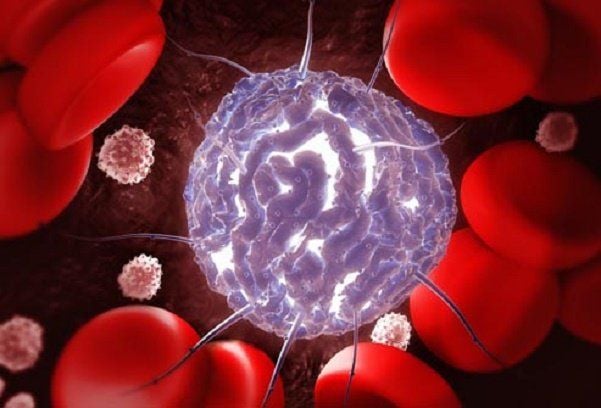
Blood cancer is a broad term used to describe cancers that affect the blood, bone marrow, or lymphatic system. Unlike solid tumors that form in organs or tissues, blood cancers interfere with the body’s ability to produce and regulate healthy blood cells.
The most common types include:
- Leukemia
- Lymphoma
- Multiple myeloma
One of the biggest challenges with blood cancer is that early symptoms are often subtle and easily mistaken for stress, infections, fatigue, aging, or other common health conditions. Because symptoms may develop gradually, many people delay seeking medical attention until the disease becomes more advanced.
It is important to remember that having one or more of these symptoms does not automatically mean someone has cancer. Many non-cancerous conditions can produce similar signs. However, persistent or unexplained symptoms should never be ignored.
Understanding possible early warning signs may help people seek medical evaluation sooner and improve the chances of early diagnosis and treatment.
-800x450.jpg)
What Is Blood Cancer?
Blood cancers begin when abnormal blood cells grow uncontrollably and interfere with normal blood production.
Healthy blood cells perform essential roles such as:
- Fighting infections
- Carrying oxygen
- Helping blood clot properly
When abnormal cells crowd out healthy ones, the body may struggle to function normally.
Depending on the type of blood cancer involved, symptoms may affect:
- Energy levels
- Immunity
- Bleeding
- Bones
- Lymph nodes
- Organs
1. Persistent Fatigue
Extreme tiredness is one of the most common early symptoms of blood cancer.
This type of fatigue often feels:
- Constant
- Overwhelming
- Unrelieved by rest
- Physically and mentally exhausting
Blood cancers may interfere with healthy red blood cell production, reducing oxygen delivery throughout the body.
People may feel:
- Weak
- Short of breath
- Unable to complete normal tasks
Persistent unexplained fatigue deserves medical attention, especially when combined with other symptoms.
2. Frequent Infections
Blood cancers may weaken the immune system, making it harder for the body to fight infections.
Possible signs include:
- Repeated colds
- Frequent fevers
- Persistent sore throat
- Slow recovery from illness
People may notice they become sick more often than usual or struggle to recover fully.
Infections may become more severe because abnormal white blood cells cannot function properly.
3. Easy Bruising or Bleeding
Some blood cancers affect platelet production, reducing the blood’s ability to clot normally.
This may lead to:
- Easy bruising
- Frequent nosebleeds
- Bleeding gums
- Tiny red spots on the skin
- Heavy bleeding from small cuts
Bruises may appear without clear injury.
Unexplained bleeding should never be ignored.
4. Swollen Lymph Nodes
Lymph nodes are part of the immune system and may become enlarged in certain blood cancers, especially lymphoma.
Swollen lymph nodes often appear in:
- The neck
- Armpits
- Groin
Cancer-related lymph node swelling is often:
- Painless
- Firm
- Persistent
Swelling lasting several weeks should be medically evaluated.
5. Unexplained Weight Loss
Unexpected weight loss without changes in diet or exercise may sometimes signal serious illness.
People may notice:
- Reduced appetite
- Clothes fitting loosely
- Muscle loss
- Fatigue
Cancer may increase the body’s energy demands and affect metabolism.
Unintentional weight loss should always be taken seriously.
6. Night Sweats
Waking up drenched in sweat is another symptom sometimes associated with blood cancers such as lymphoma.
Night sweats may:
- Soak clothing or bedding
- Occur repeatedly
- Happen even in cool environments
Although night sweats can result from infections or hormonal changes, persistent episodes may require medical attention.
.jpg)
7. Bone or Joint Pain
Some blood cancers affect the bone marrow, potentially causing pain in:
- Bones
- Joints
- Back
- Legs
People may describe:
- Deep aching pain
- Persistent discomfort
- Tenderness
Bone pain that worsens over time or occurs without injury deserves evaluation.
8. Pale Skin and Shortness of Breath
Anemia may develop when blood cancer reduces healthy red blood cell production.
Possible symptoms include:
- Pale skin
- Dizziness
- Weakness
- Shortness of breath
- Rapid heartbeat
The body may struggle to transport enough oxygen efficiently.
Even mild activity may suddenly feel exhausting.
9. Persistent Fever
Recurring or unexplained fevers may sometimes signal blood cancer.
The body’s immune response may become disrupted by abnormal blood cells.
Low-grade fevers that continue without obvious infection should not be ignored.
10. Abdominal Fullness or Swelling
Certain blood cancers may enlarge organs such as the spleen or liver.
People may feel:
- Full quickly while eating
- Pressure in the abdomen
- Bloating
- Discomfort beneath the ribs
Organ enlargement may occur gradually over time.
Why Blood Cancer Symptoms Are Often Missed
Many symptoms resemble common everyday problems such as:
- Stress
- Viral infections
- Poor sleep
- Aging
- Nutritional deficiencies
Because symptoms are often vague and develop slowly, people may delay seeking help.
Early detection can sometimes improve treatment outcomes significantly.
Major Types of Blood Cancer
Leukemia
Leukemia affects the blood and bone marrow.
It often involves abnormal white blood cells growing uncontrollably.
Symptoms commonly include:
- Fatigue
- Frequent infections
- Bleeding problems
Lymphoma
Lymphoma affects the lymphatic system.
Swollen lymph nodes are a common symptom.
There are two major categories:
- Hodgkin lymphoma
- Non-Hodgkin lymphoma
Multiple Myeloma
Multiple myeloma affects plasma cells in the bone marrow.
It may cause:
- Bone pain
- Kidney problems
- Fatigue
- Frequent infections
Risk Factors for Blood Cancer
Not all causes are fully understood, but several factors may increase risk.
These may include:
- Age
- Family history
- Radiation exposure
- Certain chemical exposures
- Weakened immune system
- Previous cancer treatments
However, many people diagnosed with blood cancer have no obvious risk factors.
How Doctors Diagnose Blood Cancer
Doctors may use several tests, including:
- Blood tests
- Bone marrow biopsy
- Imaging scans
- Lymph node biopsy
Abnormal blood cell counts may provide important early clues.
Treatment Options
Treatment depends on:
- Cancer type
- Stage
- Patient age
- Overall health
Possible treatments may include:
- Chemotherapy
- Immunotherapy
- Targeted therapy
- Radiation therapy
- Stem cell transplant
Medical advances have improved outcomes for many blood cancer patients.
When to Seek Medical Attention
Medical evaluation is important if symptoms:
- Persist for weeks
- Worsen over time
- Occur together
- Interfere with daily life
Especially concerning combinations include:
- Fatigue with bruising
- Fever with swollen lymph nodes
- Weight loss with night sweats
Listening to the body is important.
Healthy Habits That Support Overall Wellness
Although lifestyle changes cannot guarantee prevention, healthy habits may support overall health.
Helpful practices include:
- Balanced nutrition
- Regular exercise
- Adequate sleep
- Stress management
- Avoiding smoking
- Routine medical checkups
General wellness supports immune and cardiovascular health.
Final Thoughts
Blood cancer may sometimes begin with subtle warning signs that are easy to overlook, including fatigue, infections, bruising, swollen lymph nodes, night sweats, bone pain, and unexplained weight loss.
These symptoms do not automatically mean cancer is present, but persistent or unusual changes should never be ignored.
The body often sends quiet signals before serious illness becomes obvious, and paying attention to those early warnings may help people seek medical care sooner and protect long-term health.