What is clear from the image is that the vehicle has sustained substantial damage and that the scene deserves careful investigation.
What witnesses might remember
In incidents involving gunfire, witnesses often remember different details.
One person may recall hearing several sharp sounds. Another may have noticed a vehicle moving quickly through the street. Someone else may remember a brief argument, an unfamiliar person standing near the road, or a car that appeared unusual before the shooting.
These observations can become valuable when investigators compare them with physical evidence.
A witness who heard the shots may not have seen the shooter. A person who saw a vehicle leave the area may not have noticed its registration number. Someone who was indoors may remember the direction of the sound but be unable to identify the exact location.
This is why investigators generally avoid relying on a single account when reconstructing a complicated event.
The human memory is imperfect, particularly when people experience sudden fear. A person may be certain about one detail while mistaken about another. Investigators must therefore compare accounts carefully rather than immediately accepting the first explanation.
In a real investigation, the most useful information may come from several people whose observations overlap.
The importance of the vehicle's position
The location of a damaged vehicle can help establish what happened before and during an incident.
Was it parked beside a building? Was it stopped at an intersection? Was it traveling along a residential road? Had it pulled over shortly before the shooting?
Each possibility creates a different set of investigative questions.
If the vehicle was parked, investigators may examine whether the damage suggests shots were fired from nearby. If it was moving, they may study the distribution of impacts and determine whether the vehicle changed direction or stopped suddenly.
The photograph supplied here does not show enough of the surrounding scene to answer these questions. It focuses primarily on the damaged red vehicle.
That limitation is important. A close-up photograph can reveal damage while concealing the larger environment in which the damage occurred.
The surrounding street, nearby buildings, road markings, parked cars, and possible camera locations may all be relevant to understanding the event.
Why the first hours matter
The early stages of a shooting investigation can be especially difficult.
Responding officers may need to secure the area, assist anyone who is injured, identify witnesses, and prevent people from entering a potentially dangerous scene.
Emergency medical personnel must focus on immediate care rather than on collecting evidence. If someone is seriously injured, every second may matter.
Meanwhile, investigators must preserve the scene as carefully as possible.
Objects can be moved accidentally. Vehicles may need to be relocated for safety. Rain, traffic, and ordinary pedestrian activity can disturb evidence.
The first photographs and notes can therefore become extremely important. They help document the scene before changes occur.
The supplied screenshot describes an investigation involving a vehicle and a police response, but it does not provide independently verified details about the exact sequence of events. Any specific account of what happened before the shooting would require confirmation.
A vehicle becomes the center of attention
Once a damaged vehicle is photographed and shared online, it can quickly become the central image associated with an incident.
The red bodywork makes the damage particularly visible. Against the bright paint, the dark holes stand out clearly. The viewer's attention is drawn from one impact to another, creating the impression of a vehicle that was struck again and again.
Yet the photograph does not reveal the full story.
It cannot tell us whether the vehicle's occupants were known to the person who fired the shots. It cannot establish whether the shooting was connected to a dispute, a robbery, a mistaken identity, or another possible circumstance.
Those questions require evidence beyond the image.
The photograph is powerful because it shows the physical result of violence. It is incomplete because it cannot explain the human decisions that led to it.
And that is where the investigation must begin.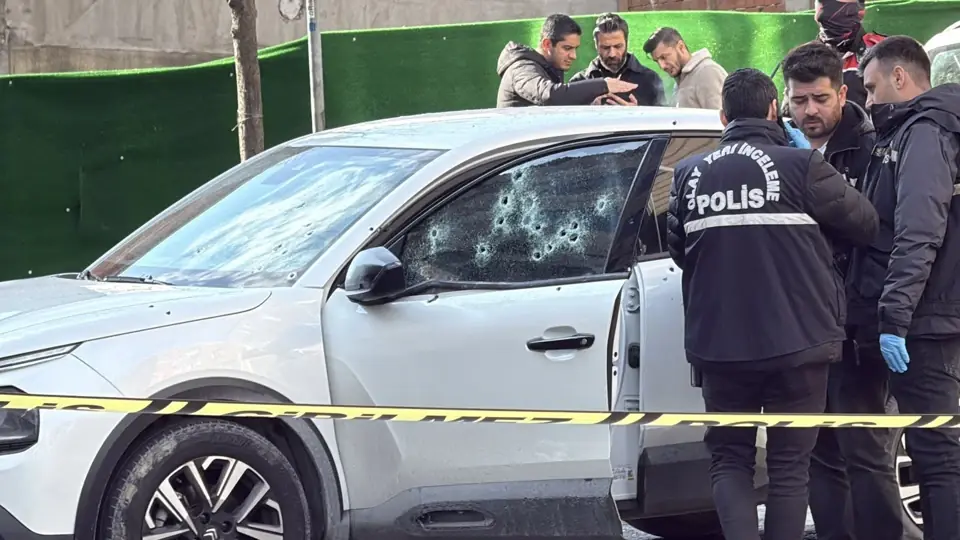
Part 2: The Investigation — What the Damaged Vehicle May Reveal
A vehicle can preserve important evidence
A vehicle struck by gunfire may contain several types of physical evidence.
The exterior panels can show where projectiles entered or struck the body. The windows may contain impact marks or broken glass. The interior may reveal whether bullets passed through the passenger compartment.
Investigators may also examine the seats, dashboard, floor, and other surfaces for damage.