Bubbly Urine: What It Means and Why It Happens 😳
Noticing bubbles or foam in your urine can sometimes be surprising — and even worrying. In many cases, bubbly urine is harmless and temporary. However, doctors say persistent foamy urine may occasionally signal an underlying health issue that deserves attention.
Understanding the possible causes may help you know when it’s normal and when it may be time to speak with a healthcare professional.
What Is Bubbly or Foamy Urine?
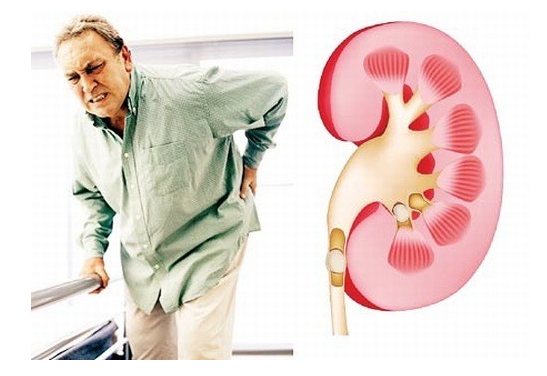
Bubbly urine refers to urine that creates noticeable bubbles or foam after urinating.
Sometimes the bubbles disappear quickly and are harmless. Other times, the foam may:
- Appear frequently
- Last longer than usual
- Look thick or frothy
Persistent foamy urine may occasionally indicate changes in the body.
1. Fast Urination Can Cause Bubbles
One of the most common harmless causes is simply urinating with strong force.
When urine hits the toilet water quickly, it can naturally create bubbles — similar to pouring water rapidly into a container.
This type of bubbling usually:
- Disappears quickly
- Happens occasionally
- Is not linked to other symptoms
In many cases, this is completely normal.
2. Dehydration May Make Urine More Concentrated
When the body is dehydrated, urine becomes more concentrated.
Concentrated urine may appear:
- Darker yellow
- Stronger-smelling
- More bubbly
Drinking more water often helps reduce this type of foamy appearance.
Other dehydration symptoms may include:
- Dry mouth
- Fatigue
- Headaches
- Dizziness
3. Protein in the Urine Could Be a Warning Sign
Doctors say one important cause of persistent foamy urine is proteinuria, meaning excess protein in the urine.
Normally, the kidneys filter waste while keeping important proteins in the bloodstream.
If the kidneys become damaged, protein may leak into the urine, creating foam.
Possible causes include:
- Kidney disease
- Diabetes
- High blood pressure
- Kidney infections
Persistent protein in the urine should always be medically evaluated.
4. Urinary Tract Infections (UTIs)
In some cases, urinary tract infections may cause changes in urine appearance, including bubbles or foam.
Other UTI symptoms may include:
- Burning during urination
- Frequent urination
- Pelvic pain
- Cloudy urine
- Strong odor
UTIs are usually treatable but should not be ignored.
5. Diabetes May Affect the Kidneys
Poorly controlled diabetes can damage small blood vessels in the kidneys over time.
This condition, called diabetic nephropathy, may allow protein to leak into the urine.
Foamy urine combined with:
- Excess thirst
- Frequent urination
- Fatigue
- Blurred vision
may deserve medical evaluation.
6. Certain Medications Can Contribute
Some medications may affect kidney function or alter urine composition.
Doctors say medications occasionally linked to urinary changes include:
- Certain antibiotics
- Anti-inflammatory drugs
- Chemotherapy medications
Always follow medical advice regarding medications and side effects.
7. Stress and Physical Exertion
Temporary protein leakage into the urine can sometimes occur after:
- Intense exercise
- Physical stress
- Fever
- Severe emotional stress
In many cases, this resolves once the body recovers.
8. Semen in the Urine
In men, small amounts of semen entering the urine after ejaculation may sometimes create a foamy appearance.
This is usually harmless if it occurs occasionally.
When Should You Worry About Foamy Urine?
Doctors recommend paying attention if bubbly urine:
- Happens frequently
- Persists for days or weeks
- Appears thick or frothy
- Occurs alongside swelling or fatigue
Additional warning signs may include:
- Swelling in the legs or face
- High blood pressure
- Back pain
- Blood in the urine
- Fatigue
- Reduced urination
These symptoms may indicate kidney-related problems.
How Doctors Diagnose the Cause
Healthcare professionals may use several tests, including:
- Urine analysis
- Blood tests
- Kidney function tests
- Blood pressure checks
Testing helps identify whether the bubbling is harmless or related to a medical condition.
Tips for Maintaining Healthy Kidneys
Doctors recommend several habits that may support kidney health:
- Drink enough water
- Control blood pressure
- Manage blood sugar
- Limit excessive salt intake
- Avoid smoking
- Maintain a balanced diet
- Exercise regularly
Healthy lifestyle choices may help protect kidney function over time.
Final Thoughts
Bubbly urine is often harmless and may simply result from fast urination or mild dehydration. However, persistent foamy urine may sometimes signal kidney problems, protein leakage, infections, or other health conditions.
Paying attention to ongoing body changes and seeking medical advice when symptoms persist may help detect potential issues earlier.
When in doubt, it’s always safest to consult a healthcare professional for proper evaluation and peace of mind.