Buying meat at the supermarket can seem straightforward. You choose a package, check the price, and put it in your cart.
But when several packages look almost identical, how do you know which one is actually fresh?
Freshness isn't determined by one detail alone. The color of the meat, its packaging, smell, texture, sell-by information, and storage conditions can all provide useful clues. At the same time, some common beliefs about meat color can be misleading.
Whether you're buying beef, pork, chicken, or another type of meat, taking a few extra seconds to inspect the package can help you make a more informed choice.
Here are eight things to check before buying meat at the supermarket.
1. Check the Package for Damage
Before looking closely at the meat itself, examine the packaging.
The package should be intact and properly sealed. Avoid packages that are torn, leaking, punctured, or visibly damaged.
For vacuum-packed meat, the packaging should remain tightly sealed around the product. If the seal appears broken or the package has lost its vacuum, choose another package.
For meat wrapped in a tray, check whether liquid is leaking from the package or pooling underneath it.
A small amount of liquid inside a meat package isn't necessarily a sign that the meat is spoiled. Meat naturally releases moisture during storage. However, leaking or damaged packaging can create a food-safety concern and is a good reason to choose a different package.
2. Pay Attention to the Use-By or Sell-By Date
Dates on food packages can be confusing because different labels have different meanings.
Depending on the product and local regulations, you may see terms such as:
-
Use-by
-
Sell-by
-
Best-before
-
Freeze-by
These dates shouldn't automatically be treated as a guarantee of safety or spoilage.
A sell-by date, for example, is primarily intended to help retailers manage inventory. A use-by date can have a stronger food-safety significance for certain products.
Always follow the instructions on the package and local food-safety guidance.
If you're planning to cook the meat several days later, consider buying a package with a suitable date or freezing it promptly according to recommended storage practices.
3. Look at the Color—but Don't Judge Freshness by Color Alone
Color is one of the first things shoppers notice.
But color by itself is not a reliable test for freshness or safety.
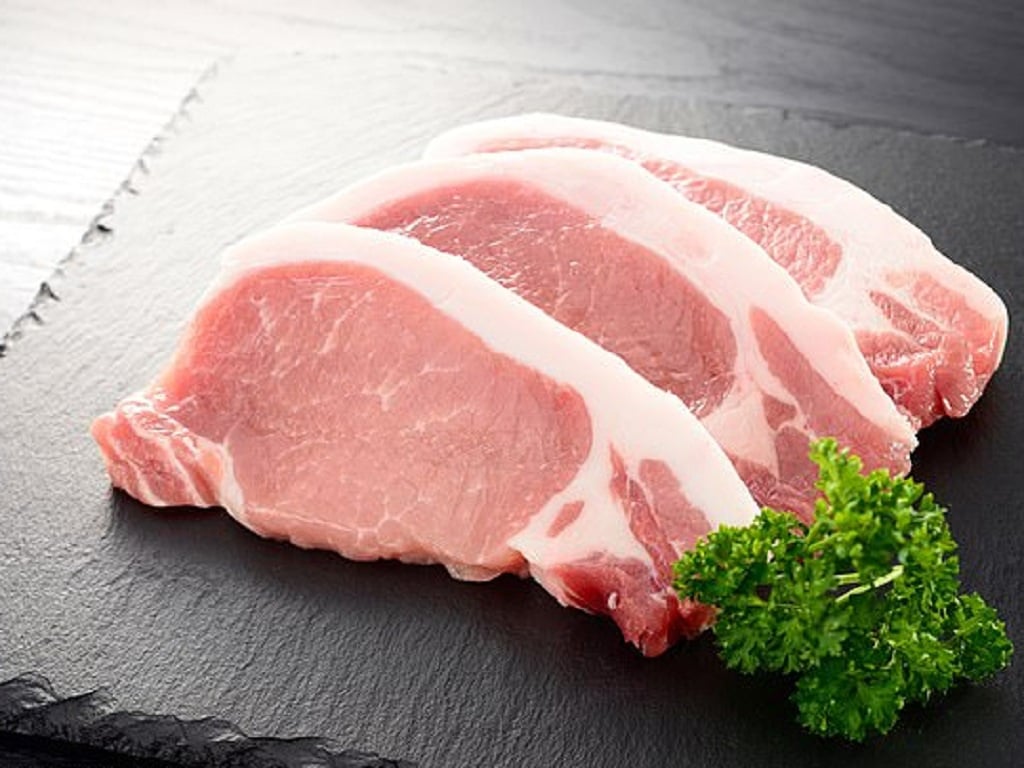
Beef can naturally appear bright red on the surface because of its exposure to oxygen. The interior of vacuum-packed beef may look darker purple or burgundy because it has had less exposure to oxygen.
Once exposed to air, that darker color can become brighter.
Pork can range from pale pink to a deeper pinkish-red.
Chicken is typically pale pink when fresh, although the exact appearance can vary depending on the cut and packaging.
The important point is that natural color variation doesn't automatically mean meat has spoiled.
Instead of relying on color alone, consider the entire package.
4. Check for Unusual Odors
Smell can sometimes provide an important clue, especially when buying meat from a package that allows you to detect its natural odor.
Fresh meat generally has a mild smell that should not be strongly unpleasant.
If the meat has a strong sour, rotten, or otherwise abnormal odor, it's safer not to buy it.
However, be careful when evaluating vacuum-packed meat.
When a vacuum-sealed package is first opened, it can sometimes have a temporary odor caused by the packaging environment. This doesn't automatically mean the meat is spoiled.
If you're unsure, don't rely on smell alone. Consider the package condition, storage temperature, dates, and appearance as well.
5. Look at the Texture
Texture can also provide useful information.
When meat is fresh and properly stored, its surface should generally appear moist but not excessively slimy or sticky.
A slimy, tacky, or unusually sticky surface, particularly when accompanied by an unpleasant odor or other signs of deterioration, can be a warning sign.
Don't confuse natural moisture with spoilage.
Meat contains water, and some liquid in the package is normal.
The concern is when the surface appears unusually slippery or has an abnormal texture in combination with other signs.
When in doubt, it's better to choose another package.
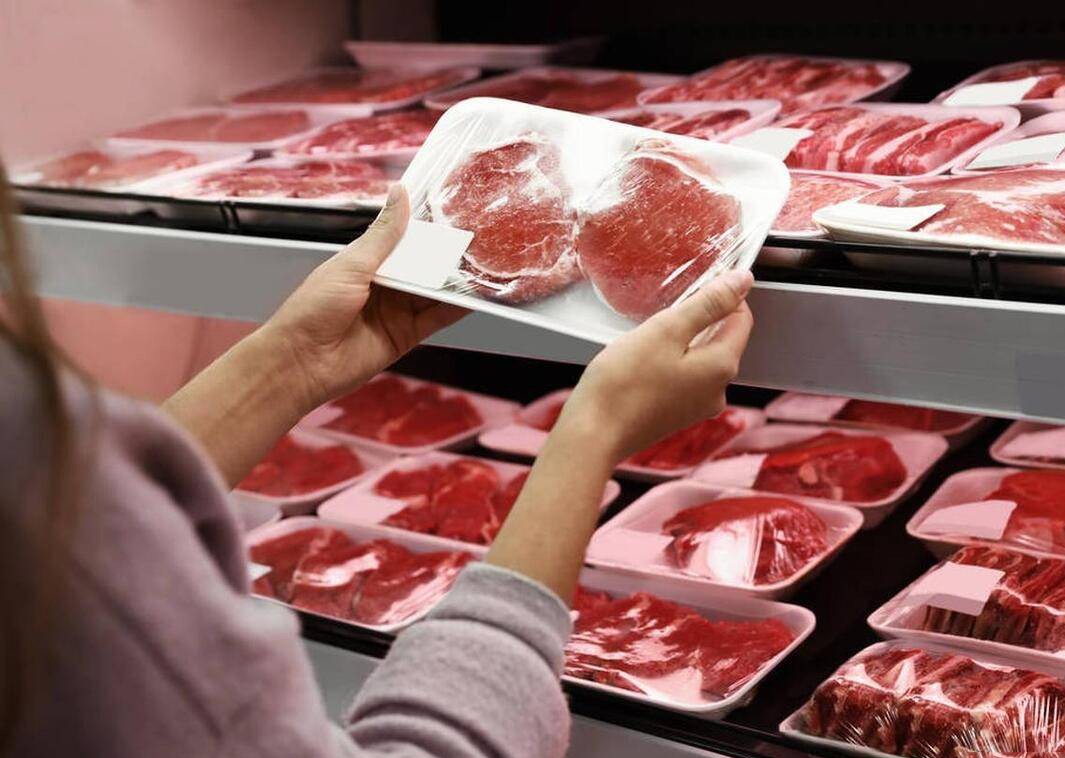
6. Check How the Meat Is Being Stored
Even perfectly packaged meat can become unsafe if it hasn't been kept at an appropriate temperature.
Look at where the product is sitting in the supermarket.
Refrigerated meat should be kept properly chilled, while frozen meat should remain frozen.
Avoid products that appear to have been left at room temperature or that seem improperly stored.
You can also pay attention to the condition of the refrigerated display.
If the case doesn't appear cold or if meat packages are sitting in unusual conditions, consider purchasing your meat elsewhere.
Cold-chain management is a major part of food safety.
7. Check for Excessive Liquid or Leaking Juices
A small amount of liquid in a meat package isn't necessarily a problem.
However, excessive liquid, leakage, or packaging that is visibly swollen or compromised deserves attention.
For poultry especially, liquid can accumulate in the packaging because of natural moisture loss.
The important distinction is between normal purge and signs that the package itself has been damaged or poorly handled.
If liquid is leaking onto other products, don't put the package back into your shopping cart.
Choose a properly sealed package instead.
8. Consider the Overall Appearance of the Package
Finally, take a few seconds to look at the package as a whole.
Ask yourself:
Does the packaging look intact?
Has the product been properly refrigerated?
Is the date appropriate for when I plan to use it?
Does the meat look normal for that particular type and cut?
Is there any unusual odor, slime, discoloration, or leakage?
No single characteristic should determine your decision.
Instead, think of these signs as pieces of a larger puzzle.
Freshness and Food Safety Are Not Exactly the Same Thing
This is one of the most important things shoppers should understand.
A piece of meat can look and smell perfectly normal and still contain harmful bacteria.
Foodborne pathogens such as Salmonella, Campylobacter, certain strains of E. coli, and Listeria may not cause obvious changes in smell, color, or texture.
That means you cannot reliably determine whether meat is safe simply by looking at it.
Proper handling and cooking are essential.
This is especially important with poultry and ground meat, which can carry harmful bacteria even when they appear completely normal.
Don't Wash Raw Meat Just to Make It "Cleaner"
It may seem logical to rinse raw meat under the faucet before cooking.
However, washing raw meat can actually spread bacteria around the kitchen through splashing water.
Instead of rinsing it, focus on:
-
Washing your hands before and after handling raw meat
-
Keeping raw meat away from ready-to-eat foods
-
Cleaning cutting boards and utensils
-
Using separate equipment when practical
-
Cooking meat to a safe internal temperature
Food safety is much more effective than simply washing the surface of the meat.
Keep Raw Meat Separate in Your Shopping Cart
Here's a simple supermarket habit that can make a difference.
Place raw meat in a separate bag, especially if your store provides disposable produce or meat bags.
Keep it away from foods that will be eaten without cooking, such as:
-
Fresh fruit
-
Salad greens
-
Bread
-
Cooked foods
-
Ready-to-eat snacks
This reduces the chance of raw meat juices contaminating other groceries.
When you get home, refrigerate or freeze the meat promptly rather than leaving it in the shopping bag for an extended period.
Ground Meat Deserves Extra Attention
Ground meat has a different structure from an intact cut.
When meat is ground, bacteria present on the surface can become distributed throughout the product.
That's one reason ground beef, ground pork, and other ground meats need to be handled and cooked carefully.
Don't assume that a perfectly red package of ground meat is automatically safe.
Likewise, a slightly darker area inside a package doesn't necessarily mean it is spoiled.
The safest approach is to follow recommended storage and cooking guidelines rather than relying solely on appearance.
What About Chicken?
Chicken deserves particular attention because raw poultry can carry bacteria that cause foodborne illness.
When choosing chicken, look for:
-
Intact packaging
-
Proper refrigeration
-
Appropriate date information
-
Normal appearance
-
No unusual odor
-
No excessive leakage
But remember that fresh-looking chicken can still contain harmful bacteria.
That's why proper cooking and preventing cross-contamination are essential.
After handling raw chicken, wash your hands thoroughly with soap and water and clean surfaces that came into contact with it.
Don't Let a Low Price Make the Decision for You
Supermarkets often discount meat when it approaches a particular retail date.
A discount doesn't necessarily mean the meat is bad.
However, if you purchase discounted meat, have a clear plan for using or freezing it.
Don't buy a large amount simply because it's inexpensive if you don't have enough refrigerator or freezer space.
Food safety depends heavily on proper storage after purchase.

How to Transport Meat Home Safely
The shopping process doesn't end when you reach the checkout.
Raw meat should ideally be taken home promptly and refrigerated or frozen.
If you're doing several errands, don't leave meat sitting in a warm car for a long time.
During hot weather, an insulated cooler with ice packs can help keep perishable foods cold during transportation.
Once home, store raw meat in the refrigerator in a way that prevents juices from dripping onto other foods.
A sealed container or tray on a lower refrigerator shelf can be useful.
When Should You Simply Walk Away?
Sometimes the smartest choice is also the simplest:
If something seems clearly wrong, choose another package.
Walk away from meat with:
-
Damaged or leaking packaging
-
Unusual swelling
-
Strong unpleasant odors
-
Clearly abnormal texture
-
Signs of improper refrigeration
-
Packaging that appears compromised
You don't need to prove that the meat is spoiled.
There are plenty of other packages available.
Don't Rely on Viral "Freshness Tests"
You may encounter online tricks claiming that you can determine whether meat is fresh by pressing it, smelling it in a particular way, or judging its color against a specific chart.
Be skeptical of these methods.
There is no single home test that can reliably detect every foodborne pathogen.
Food safety isn't something you can always see.
Proper refrigeration, hygienic handling, and thorough cooking are much more reliable than viral kitchen hacks.
The Best Approach Is to Combine Several Clues
Choosing meat doesn't need to be complicated.
Think of the process as a quick checklist:
1. Packaging: Is it sealed and intact?
2. Date: Is the date appropriate for your intended use?
3. Appearance: Does the meat look normal for its type?
4. Odor: Is there anything strongly unpleasant or unusual?
5. Texture: Does the surface appear normal rather than unusually slimy?
6. Storage: Has it been properly refrigerated or frozen?
7. Leakage: Is there excessive liquid or damaged packaging?
8. Overall condition: Does anything about the product make you uncomfortable buying it?
Using several clues together gives you a much better basis for choosing meat than relying on color alone.
Final Thoughts
Buying fresh meat at the supermarket doesn't require expert knowledge.
You just need to slow down for a few seconds and inspect what you're putting into your cart.
Check the packaging.
Look at the dates.
Consider the color without treating it as a definitive freshness test.
Watch for unusual odors or textures.
Make sure the meat has been properly chilled.
And once you bring it home, remember that freshness is only part of the food-safety equation.
Even meat that looks perfectly fresh can contain harmful bacteria, so proper refrigeration, avoiding cross-contamination, hand hygiene, and cooking to a safe internal temperature remain essential.
The next time you're standing in front of the supermarket meat counter, don't simply grab the first package you see.
Take a moment.
Look closely, check the details, and choose wisely.
That extra few seconds can help you bring home meat that's in good condition—and handle it safely once you get back to the kitchen.