The “Cancer-Linked” Vegetable Many People Still Eat Daily — What You Should Know Before Your Next Meal
Most people believe vegetables are always safe, always healthy, and can be eaten freely. But not all vegetables are created equal. Some — especially raw sprouts like bean sprouts, pea sprouts, and other fast-germinated greens — carry hidden risks that many families overlook.
These vegetables are NOT inherently cancer-causing.
But the way they are grown, the environment they’re produced in, and how quickly they spoil can turn them into a dangerous source of contamination.
Here’s what health experts actually warn about — and why you should think twice before eating certain sprouts raw.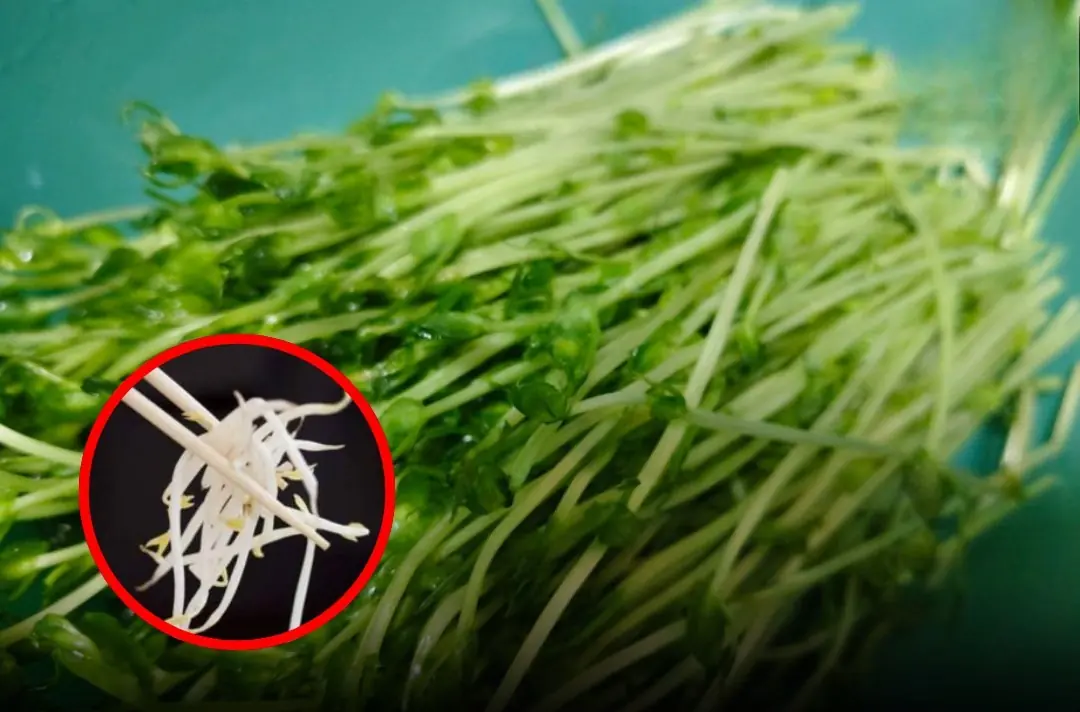
1. Sprouts Are Extremely Prone to Bacterial Contamination
Sprouts grow in warm, humid conditions — the perfect environment for harmful bacteria such as:
• Salmonella
• E. coli
• Listeria
These bacteria can contaminate seeds long before they sprout. And once they begin growing, the moist environment helps the bacteria multiply rapidly.
Why it matters:
If contaminated sprouts are eaten raw or undercooked, they can cause serious infections that affect the stomach, intestines, kidneys, and overall health.
2. Poor Production Environments Increase the Risk
Many sprouts on the market are grown:
• in unregulated facilities
• using untreated water
• without proper sanitation
• without seed sterilization
Because sprouts grow fast, producers often skip safety steps. This increases the risk of chemical residues, mold growth, and bacterial contamination — not cancer directly, but conditions that stress the body and raise long-term health risks.
3. Sprouts Absorb Chemicals Easily
Seeds are sometimes treated with:
• preservatives
• growth stimulants
• pesticides
During sprouting, these chemicals can be absorbed and trapped inside the sprouts’ tissues. Consuming them frequently and in large amounts may expose your body to unwanted toxins over time.
4. Raw Sprouts Are the Most Risky Form
Cooking kills most harmful bacteria.
Eating sprouts raw, however, leaves all contaminants intact.
That’s why many countries officially advise high-risk groups to avoid raw sprouts:
• Pregnant women
• Elderly individuals
• People with weak immune systems
• Children
But even healthy adults can get severe food poisoning.
So Should You Avoid Sprouts Completely?
Not necessarily — but you should be cautious.
Safe ways to consume sprouts:
• Cook them thoroughly (stir-fry, blanch, or add to soups)
• Buy from clean, certified suppliers
• Avoid sprouts with strange smells or excessive moisture
• Never eat slimy sprouts
• Store them in the refrigerator and use them quickly
Sprouts are nutritious, but only when handled properly.
The Bottom Line
Sprouts themselves are not “cancer-causing.”
The real danger comes from contamination, chemical residues, and poor hygiene during production — factors proven to increase health risks.
If you eat raw sprouts often, it’s smart to reconsider your habits and switch to safer preparation methods.
Your stomach — and your long-term health — will thank you.