Doctors warn that kidney disease often develops silently. Many patients only discover the problem when the kidneys have already lost significant function.
However, urine is one of the earliest and clearest warning signals. If you notice the following three changes, you should seek medical attention right away, as they may indicate early kidney failure.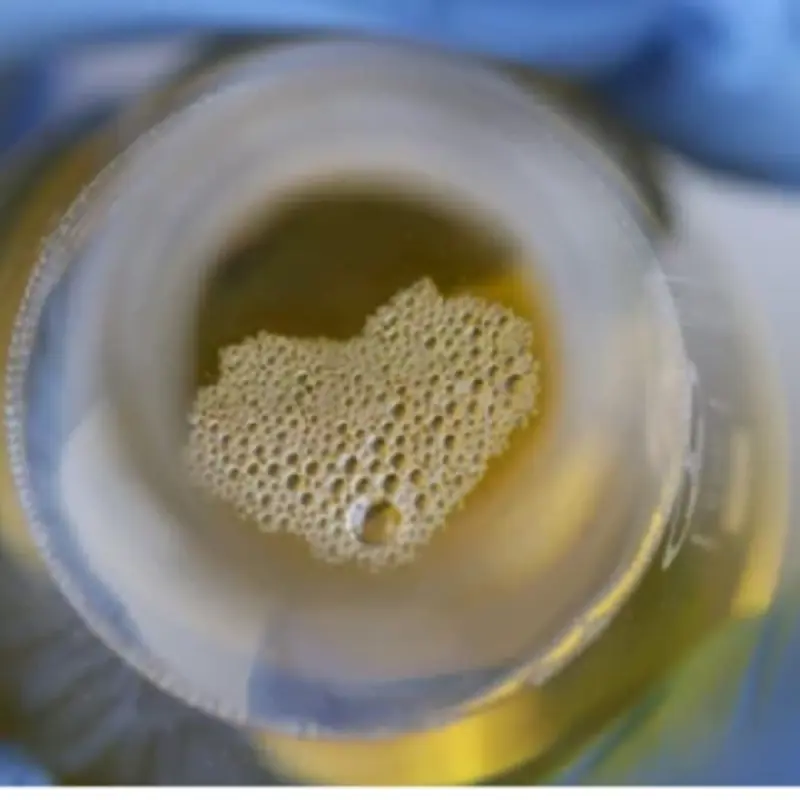
1. Foamy or “Bubbly” Urine That Doesn’t Disappear
Persistent foam in the toilet bowl — especially if it doesn’t fade quickly — can be a sign of protein leakage.
Healthy kidneys prevent protein from passing into the urine; damaged kidneys cannot.
This symptom may indicate:
-
chronic kidney disease
-
early kidney failure
-
diabetic or hypertensive kidney damage
If foamy urine appears frequently, it should never be ignored.
2. Dark, Tea-Colored, or Red-Tinted Urine
Urine that looks unusually dark — brown, cola-colored, or reddish — may contain blood or high levels of waste products.
This can be caused by:
-
glomerulonephritis
-
kidney infections
-
kidney stones
-
severe kidney inflammation
Bloody or dark urine is considered a red-flag symptom requiring urgent testing.
3. Frequent Nighttime Urination or Sudden Changes in Urination Patterns
When the kidneys begin to fail, they lose the ability to filter waste efficiently. This can cause:
-
needing to pee many times at night
-
reduced urine volume despite feeling full
-
burning or discomfort
-
inability to fully empty the bladder
Any sudden change in urine habits — especially nighttime urination — may signal declining kidney function.
Why Early Detection Matters
Kidney disease progresses quietly.
By the time symptoms appear, up to 70% of kidney function may already be lost.
Early diagnosis allows:
-
better treatment outcomes
-
prevention of dialysis
-
control of blood pressure and blood sugar
-
protection of remaining kidney function
Ignoring these signs can lead to irreversible kidney damage.
When to See a Doctor
Visit a doctor immediately if you notice:
-
persistent foamy urine
-
dark or bloody urine
-
sudden changes in urination frequency
Doctors recommend a simple urine test, blood test, and kidney ultrasound to assess kidney health.