Can.cer Symptoms: The First Warning Sign of Nasopharyngeal Can.cer – A Painless Swelling
Nasopharyngeal cancer is a relatively rare type of cancer that develops in the nasopharynx, the upper part of the throat located behind the nose and above the back of the throat. Because this area is difficult to examine and early symptoms are often mild or mistaken for common illnesses, the disease can sometimes go unnoticed in its early stages.
One of the earliest and most important warning signs of nasopharyngeal cancer is a painless swelling in the neck. Recognizing this symptom early can make a significant difference in diagnosis and treatment outcomes.
What Is Nasopharyngeal Cancer?
Nasopharyngeal cancer occurs when abnormal cells begin to grow uncontrollably in the nasopharynx. This part of the throat connects the back of the nose to the mouth and plays an important role in breathing and speaking.
Unlike many other cancers, nasopharyngeal cancer may not cause obvious symptoms at first. Early signs can be subtle, which is why awareness of potential warning signals is essential.
The First Warning Sign: A Painless Swelling in the Neck
One of the most common early symptoms of nasopharyngeal cancer is a lump or swelling in the neck that does not cause pain.
This swelling typically occurs because cancer cells may spread to nearby lymph nodes. Lymph nodes are small glands that help the body fight infection, and when they become enlarged without pain, it may indicate an underlying issue.
Characteristics of this swelling may include:
-
A lump on one or both sides of the neck
-
Painless enlargement of lymph nodes
-
A firm or slightly movable lump under the skin
-
A swelling that persists for several weeks
Because it does not cause discomfort, many people tend to ignore it. However, any unexplained lump in the neck should always be evaluated by a healthcare professional.
Other Possible Symptoms
While a painless neck swelling is often the first noticeable sign, nasopharyngeal cancer may also cause other symptoms as it progresses. These can include:
-
Persistent nasal congestion or blockage
-
Nosebleeds
-
Ringing in the ears (tinnitus)
-
Hearing loss, especially in one ear
-
Frequent ear infections
-
Headaches
-
Difficulty breathing through the nose
-
Double vision or facial numbness in advanced cases
These symptoms may resemble common conditions such as sinus infections or allergies, which is why they are sometimes overlooked.
Who Is at Higher Risk?
Although nasopharyngeal cancer can affect anyone, certain factors may increase the risk. These include:
-
Genetic predisposition
-
Infection with Epstein–Barr virus (EBV)
-
Frequent consumption of preserved or salted foods
-
Smoking and heavy alcohol use
-
Exposure to certain chemicals or dust
The condition is also more common in some regions of Asia, North Africa, and the Middle East.
Why Early Detection Matters
Like many cancers, nasopharyngeal cancer is much easier to treat when detected early. Early diagnosis can improve treatment success rates and reduce the risk of complications.
Doctors may use several tests to diagnose the condition, such as:
-
Nasal endoscopy (a small camera to examine the nasopharynx)
-
Imaging tests such as MRI or CT scans
-
Biopsy to examine tissue samples
-
Blood tests in some cases
Early medical evaluation can help determine whether a neck lump is harmless or something that requires further investigation.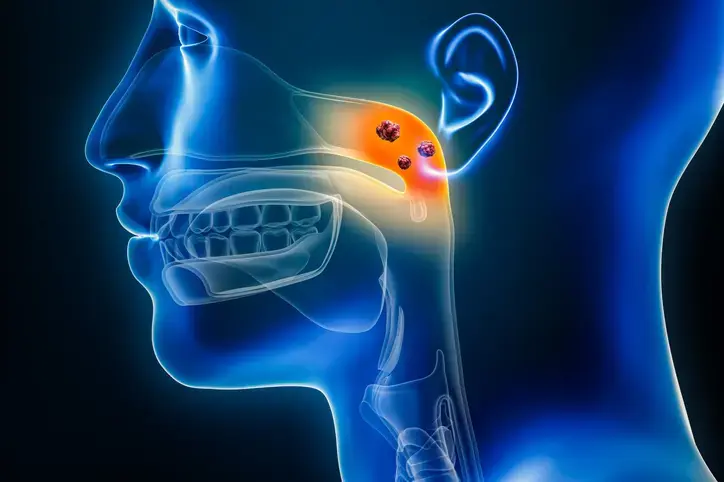
When to See a Doctor
You should consider seeing a healthcare professional if you notice:
-
A lump in the neck that lasts more than two weeks
-
Persistent nasal blockage or nosebleeds
-
Unexplained hearing problems in one ear
-
Ongoing headaches or facial numbness
While these symptoms do not always mean cancer, it is always safer to seek medical advice.
Protecting Your Health
Although not all cases can be prevented, certain healthy lifestyle habits may help reduce risk:
-
Avoid smoking and excessive alcohol consumption
-
Maintain a balanced diet with fresh foods
-
Limit intake of heavily preserved or salted foods
-
Seek medical evaluation for unusual or persistent symptoms
Regular health checkups and awareness of body changes can also help detect problems early.
Final Thoughts
A painless swelling in the neck may seem harmless at first, but it can sometimes be the earliest warning sign of nasopharyngeal cancer. Paying attention to this symptom and seeking medical advice when necessary can lead to earlier diagnosis and better treatment outcomes.
Being aware of subtle warning signs and listening to your body can play an important role in protecting your long-term health.