Farmers, hikers, gardeners, forestry workers, and residents of rural communities may benefit from learning which medically significant snakes occur in their area and what precautions are recommended.
Reliable sources may include public-health agencies, wildlife departments, university museums, herpetologists, and regional snakebite specialists.
If you find a snake, however, you do not need to identify its exact species before acting safely. Distance and avoidance are more important than achieving a visual identification in the moment.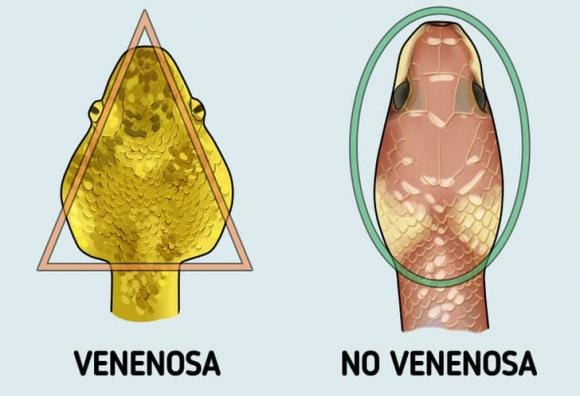
8. Do Venomous Snakes Always Attack Humans?
Venomous snakes are frequently portrayed as aggressive animals that deliberately chase people. In reality, many encounters happen because a snake is startled, cornered, accidentally stepped on, or approached by someone who does not notice it.
A snake generally benefits from avoiding unnecessary conflict. A human is too large to be normal prey for nearly all snake species, and a defensive encounter can result in injury to the snake itself.
However, it is not safe to assume that a snake will always retreat.
Its response depends on the species, its immediate surroundings, whether it has an escape route, and how close a person comes.
Some snakes remain motionless in an attempt to avoid detection. Others may move away quickly when disturbed. A snake that cannot escape may adopt a defensive posture, hiss, flatten its body, coil, or strike.
These behaviors are not reliable ways to distinguish venomous and nonvenomous snakes. Harmless species can display impressive defensive behaviors, while a venomous snake may remain still without showing an obvious warning.
A strike is often a rapid defensive action rather than an attempt to hunt a person.
The safest response is to avoid forcing the animal to make a decision under pressure.
If you see a snake, stop moving toward it. Give it space and an unobstructed route to leave. Do not corner it against a wall, approach it for a photograph, throw objects at it, or attempt to move it with a stick.
Children and pets should be guided away calmly.
A snake that appears to be following you may simply be moving toward cover or traveling along the same path. Do not try to predict its intentions. Increase the distance and allow it to move away.
Understanding this behavior benefits both people and wildlife. Avoiding unnecessary contact is usually safer than attempting to control the animal.
9. What Should You Do If You See a Snake in Your Garden?
Finding a snake in a garden can be unsettling, particularly if children or pets use the area.
Your first priority should be to maintain a safe distance.
Do not approach the snake to inspect its head or markings. Do not assume that it is harmless because it is small, thin, or familiar-looking.
If it is safe to do so, keep people and pets away from the area and give the snake an opportunity to leave.
Do not attempt to kill it. Trying to strike, pin, or capture a snake often brings a person into the animal's defensive range. A snake that appears injured or dead may still move or bite, so do not touch it.
If the snake has entered a home, garage, shed, or another occupied building, do not attempt to corner it or block it in with your hands or feet.
Where it is safe and practical, move people out of the immediate area and contact a qualified local snake-removal service, wildlife authority, or emergency service appropriate to your location.
Never assume that a household broom, shovel, bucket, or improvised tool makes handling safe.
There are also practical ways to reduce the likelihood of future encounters.
Keep grass trimmed where appropriate, remove unnecessary piles of building materials, and avoid leaving rubbish or unused objects that provide hiding places for rodents and other small animals. Store firewood and equipment neatly, and use care when moving objects that have remained untouched for a long time.
Rodents can attract snakes because they provide food. Securing food waste, reducing rodent access, and maintaining buildings can help discourage prey animals from gathering near homes.
However, a snake's presence does not necessarily mean the property is dirty or badly maintained. Snakes may travel through gardens while searching for food, shelter, or a mate.
Avoid indiscriminate use of chemicals or homemade repellents. Many products advertised as universal snake deterrents lack strong evidence of effectiveness and may create risks for children, pets, or other wildlife.
If sightings are frequent, seek advice from a local wildlife professional who understands the species and habitat in your area.
10. How Can You Reduce the Risk of a Snake Encounter Outdoors?
No strategy can eliminate every possibility of encountering a snake, but sensible precautions can reduce the risk of accidentally disturbing one.
Watch where you place your feet
When walking in areas where snakes occur, pay attention to the path ahead. Be particularly careful around rocks, fallen branches, thick vegetation, and areas with limited visibility.
Use a flashlight when walking outdoors at night.
Suitable closed footwear and long trousers may reduce some injuries, although ordinary clothing does not make it safe to approach or handle a snake.
Avoid reaching into hidden spaces
Do not place your hands blindly beneath rocks, into holes, among firewood, or inside storage areas where a snake could be resting.
Move objects carefully and use appropriate tools when carrying out ordinary work, while keeping your body away from concealed spaces.
Be careful when moving outdoor equipment
Snakes may shelter beneath materials that provide shade and protection. Before moving stacked boards, garden pots, unused machinery, or other equipment, inspect the surrounding area from a safe position.
Never put your hands into a space simply because you assume it is empty.
Give snakes room to escape
If a snake is on a path, do not try to step over it or push it aside. Stop at a safe distance and allow it to move away.
If there is no safe route around the animal, wait until it leaves or use another path.
Teach children what to do
Children may be curious about snakes and may not recognize the danger of handling an unfamiliar animal.
Teach them never to touch, chase, tease, or attempt to capture a snake. They should move away and alert an adult.
The same advice applies to pets. A dog or cat that investigates a snake may provoke a defensive bite, particularly around the face or limbs.
Wear suitable protection for work
People who work in fields, forests, plantations, or other snake habitats should follow local safety recommendations. Depending on the area and activity, appropriate footwear, protective clothing, lighting, and careful work practices may be useful.
Protective equipment should never be treated as permission to handle snakes.
Know how to contact local help
If you live in a region where medically significant snakes occur, know which emergency medical services and wildlife professionals to contact.
Preparing in advance is particularly valuable for people who work far from hospitals or spend time outdoors in remote areas.