Cervical cancer remains one of the most common cancers affecting women worldwide. The encouraging news is that it is also one of the most preventable forms of cancer. Thanks to advances in vaccination, routine screening, and early treatment, many cases can be detected before cancer even develops or identified at a stage when treatment is most effective.
One of the biggest challenges with cervical cancer is that it often causes no symptoms during its early stages. This is why regular screening plays such a vital role in protecting women's health. Understanding the warning signs, risk factors, and prevention strategies can empower women to take proactive steps toward reducing their risk.
What Is Cervical Cancer?
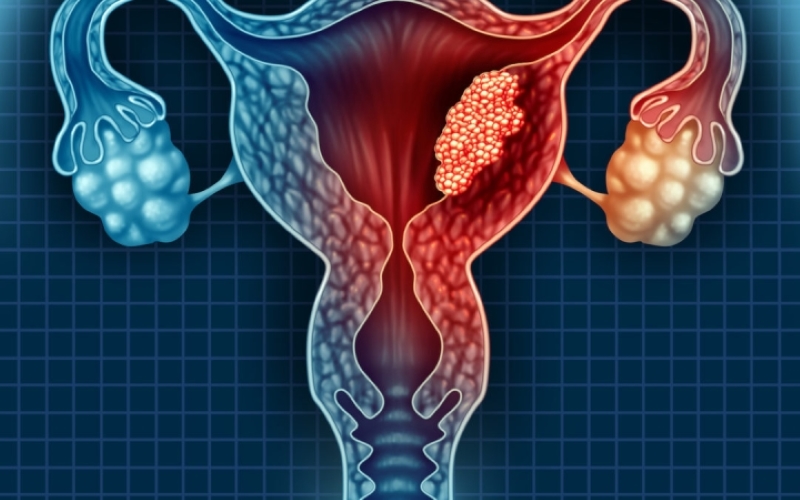
Cervical cancer develops in the cells of the cervix—the lower part of the uterus that connects to the vagina.
Most cervical cancers develop slowly over many years. Before cancer forms, the cells of the cervix often undergo abnormal changes known as precancerous lesions. With proper screening, these abnormal cells can often be detected and treated before they become cancerous.
The Role of Human Papillomavirus (HPV)
The majority of cervical cancer cases are linked to persistent infection with certain high-risk types of Human Papillomavirus (HPV).
HPV is extremely common and spreads primarily through sexual contact.
Most HPV infections clear naturally without causing problems.
However, when high-risk HPV infections persist for many years, they may increase the risk of abnormal cervical cell changes.
It is important to remember:
-
Most HPV infections do not lead to cancer.
-
Having HPV does not mean someone will develop cervical cancer.
-
Regular screening helps detect abnormal changes early.
Early Warning Signs of Cervical Cancer
Early cervical cancer often produces no symptoms.
As the disease progresses, some women may experience warning signs such as:
1. Unusual Vaginal Bleeding
This is one of the most common symptoms.
Examples include:
-
Bleeding between menstrual periods
-
Bleeding after sexual intercourse
-
Bleeding after menopause
-
Menstrual periods that become heavier or longer than usual
While many non-cancerous conditions can also cause abnormal bleeding, persistent or unexplained bleeding should always be evaluated by a healthcare professional.
2. Unusual Vaginal Discharge
Changes in vaginal discharge may include:
-
Increased volume
-
Watery discharge
-
Pink or blood-tinged discharge
-
Foul-smelling discharge
Many infections can also cause abnormal discharge, making proper medical evaluation important.
3. Pelvic Pain
Persistent pelvic discomfort may develop as cervical cancer progresses.
Women may notice:
-
Aching in the lower abdomen
-
Pelvic pressure
-
Pain unrelated to menstruation
Pelvic pain has many possible causes, but ongoing symptoms deserve medical attention.
4. Pain During Sexual Intercourse
Some women experience discomfort or pain during intercourse.
This symptom may occur with:
-
Cervical inflammation
-
Infections
-
Endometriosis
-
Cervical cancer
Because multiple conditions can produce this symptom, medical assessment is important.
5. Pain During Urination
Advanced cervical cancer may affect nearby tissues.
Some women may notice:
-
Pain while urinating
-
Burning sensation
-
Frequent urination
-
Blood in the urine
These symptoms are much more commonly caused by urinary tract infections but should not be ignored if persistent.
6. Lower Back or Leg Pain
As cervical cancer advances, it may occasionally cause:
-
Lower back pain
-
Hip pain
-
Leg discomfort
-
Swelling in one leg
These symptoms are not typical of early disease but require prompt evaluation if unexplained.
Who Is at Higher Risk?
Several factors may increase the likelihood of developing cervical cancer.
These include:
-
Persistent high-risk HPV infection
-
Smoking
-
A weakened immune system
-
Long-term use of certain immunosuppressive medications
-
Not participating in routine cervical screening
-
Multiple sexual partners (which may increase HPV exposure)
-
Early age at first sexual activity
Having one or more risk factors does not mean someone will develop cervical cancer.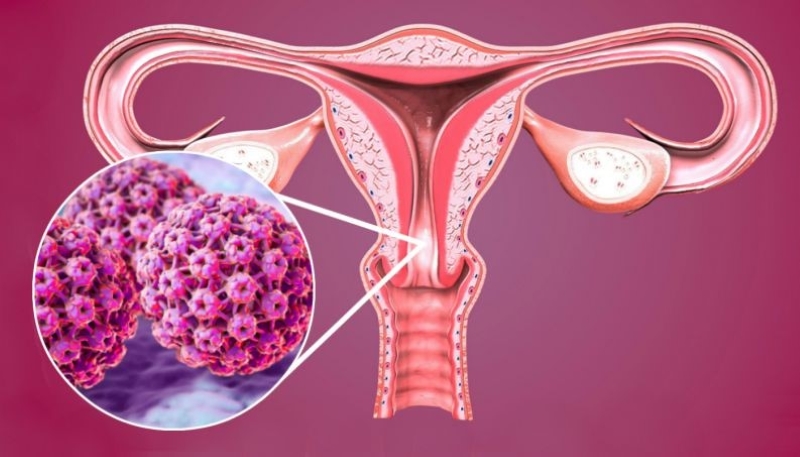
Why Screening Is So Important
One of the greatest advantages in preventing cervical cancer is that screening can identify abnormal cells before cancer develops.
The two most common screening tests are:
Pap Test (Pap Smear)
A Pap test looks for abnormal cervical cells that may become cancerous if left untreated.
HPV Test
An HPV test detects high-risk types of HPV associated with cervical cancer.
Healthcare providers recommend screening schedules based on age, medical history, and national guidelines.
HPV Vaccination
One of the most effective prevention strategies is vaccination against HPV.
The HPV vaccine helps protect against several high-risk HPV types responsible for most cervical cancer cases.
Vaccination is generally recommended before exposure to HPV, often during adolescence, but it may also benefit some adults depending on age and individual circumstances.
Even vaccinated individuals should continue recommended cervical cancer screening because the vaccine does not protect against all cancer-causing HPV types.
Lifestyle Habits That May Help Reduce Risk
Although cervical cancer cannot always be prevented, healthy habits may lower overall risk.
Avoid Smoking
Smoking damages cervical cells and may reduce the body's ability to clear HPV infections.
Practice Safer Sex
Using barrier protection may reduce, though not eliminate, the risk of HPV transmission.
Maintain Regular Health Checkups
Routine gynecological examinations help identify potential concerns early.
Support Your Immune System
General healthy habits include:
-
Eating a balanced diet
-
Exercising regularly
-
Getting enough sleep
-
Managing stress
A healthy immune system may help the body clear HPV infections more effectively.
Common Myths About Cervical Cancer
Myth 1: Only Older Women Get Cervical Cancer
Cervical cancer can affect women of various ages, although routine screening has reduced its occurrence in many populations.
Myth 2: HPV Means You Will Develop Cancer
Most HPV infections resolve naturally and never lead to cancer.
Persistent infection with high-risk HPV types is the primary concern.
Myth 3: No Symptoms Means No Problem
Early cervical cancer often causes no symptoms.
This is why screening remains essential even when you feel completely healthy.
Myth 4: The HPV Vaccine Eliminates the Need for Screening
Vaccination greatly reduces risk but does not replace routine cervical cancer screening.
When Should You See a Doctor?
Seek medical evaluation if you experience:
-
Bleeding after sexual intercourse
-
Bleeding after menopause
-
Unexplained vaginal bleeding
-
Persistent pelvic pain
-
Unusual vaginal discharge
-
Pain during intercourse
-
Ongoing urinary symptoms without a clear cause
Early assessment allows healthcare professionals to determine the underlying cause and recommend appropriate care.
Final Thoughts
Cervical cancer is one of the few cancers that is largely preventable through vaccination, routine screening, and early treatment of precancerous changes. Because early cervical cancer often develops without symptoms, regular Pap tests and HPV testing remain some of the most powerful tools for protecting women's health.
Symptoms such as abnormal vaginal bleeding, unusual discharge, pelvic pain, or pain during intercourse should never be ignored, although they are often caused by conditions other than cancer. Prompt medical evaluation can help identify the cause and ensure appropriate treatment if needed.
Taking proactive steps—including HPV vaccination when appropriate, attending regular screening appointments, avoiding smoking, and maintaining a healthy lifestyle—can significantly reduce the risk of cervical cancer and improve long-term health outcomes.
Awareness, prevention, and early detection continue to be the strongest defenses against this highly preventable disease.