Stomach cancer is one of the most dangerous cancers precisely because it is often discovered too late. In its early stages, symptoms are subtle and easily mistaken for common digestive problems such as indigestion, gastritis, or stress-related discomfort. As a result, many patients delay medical evaluation until the disease has already progressed.
Doctors emphasize that certain symptoms appearing after meals may serve as early warning signs. Recognizing these signals and seeking timely endoscopic examination can significantly improve outcomes.
Why Stomach Cancer Is Often Missed Early
The stomach is a resilient organ, and early tumors may grow silently without causing obvious pain. In many cases:
-
Symptoms are mild at first
-
Discomfort comes and goes
-
Patients self-treat with antacids
-
Warning signs are blamed on diet or aging
Unfortunately, by the time symptoms become severe, the cancer may already be advanced.
Why Symptoms After Meals Are Important
Eating triggers stomach acid production and digestive movement. When abnormalities exist in the stomach lining, symptoms often become more noticeable after meals. This is why doctors pay close attention to post-meal discomfort patterns.
Persistent or worsening symptoms after eating should never be ignored.
1. Feeling Full After Eating Small Amounts
One of the earliest red flags is early satiety — feeling full after eating only a small portion.
This may happen because:
-
A tumor limits stomach expansion
-
The stomach empties more slowly
-
Inflammation affects normal digestion
If you consistently feel full much sooner than usual, especially without changes in diet, medical evaluation is strongly recommended.
2. Persistent Bloating or Pressure After Meals
Occasional bloating is normal. However, frequent or persistent bloating after meals, especially when accompanied by discomfort or tightness, can be a warning sign.
Unlike gas-related bloating, cancer-related bloating often:
-
Does not improve with time
-
Occurs regardless of food type
-
Feels deep or heavy rather than gassy
3. Upper Abdominal Pain or Burning Sensation
Pain related to stomach cancer often appears:
-
In the upper abdomen
-
After eating
-
At night
This pain may feel like burning, aching, or pressure. While ulcers and gastritis can cause similar symptoms, pain that persists despite treatment should not be ignored.
Self-medicating for long periods without diagnosis can delay life-saving treatment.
4. Nausea or Vomiting After Eating
Frequent nausea after meals, especially when combined with vomiting, may indicate:
-
Blockage in the stomach
-
Irritation of the stomach lining
-
Abnormal digestive function
Vomiting that contains blood or looks dark like coffee grounds is a medical emergency and requires immediate attention.
5. Unexplained Weight Loss and Loss of Appetite
Many patients with stomach cancer experience gradual appetite loss. Eating becomes uncomfortable, leading to reduced intake and unintended weight loss.
Weight loss may occur even if:
-
You are not dieting
-
Your activity level is unchanged
-
You believe you are eating normally
Unintentional weight loss combined with digestive symptoms is a serious red flag.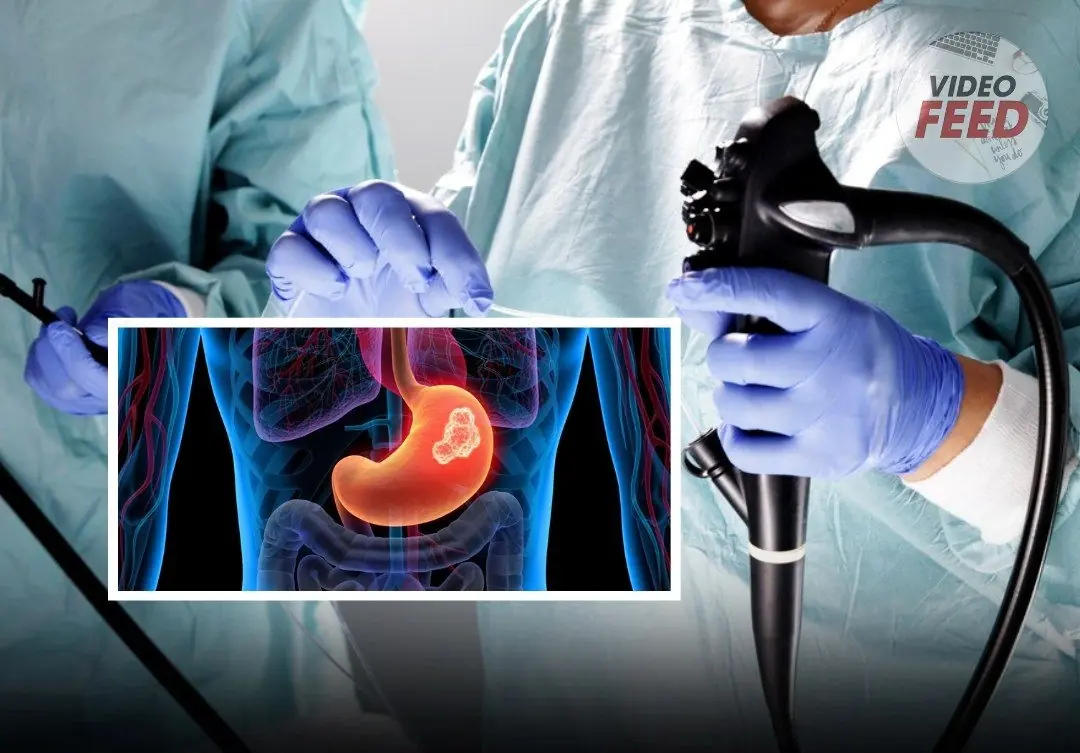
Most Stomach Cancers Are Detected Late: 5 Symptoms After Meals You Should Never Ignore
Stomach cancer is one of the most dangerous cancers precisely because it is often discovered too late. In its early stages, symptoms are subtle and easily mistaken for common digestive problems such as indigestion, gastritis, or stress-related discomfort. As a result, many patients delay medical evaluation until the disease has already progressed.
Doctors emphasize that certain symptoms appearing after meals may serve as early warning signs. Recognizing these signals and seeking timely endoscopic examination can significantly improve outcomes.
Why Stomach Cancer Is Often Missed Early
The stomach is a resilient organ, and early tumors may grow silently without causing obvious pain. In many cases:
-
Symptoms are mild at first
-
Discomfort comes and goes
-
Patients self-treat with antacids
-
Warning signs are blamed on diet or aging
Unfortunately, by the time symptoms become severe, the cancer may already be advanced.
Why Symptoms After Meals Are Important
Eating triggers stomach acid production and digestive movement. When abnormalities exist in the stomach lining, symptoms often become more noticeable after meals. This is why doctors pay close attention to post-meal discomfort patterns.
Persistent or worsening symptoms after eating should never be ignored.
1. Feeling Full After Eating Small Amounts
One of the earliest red flags is early satiety — feeling full after eating only a small portion.
This may happen because:
-
A tumor limits stomach expansion
-
The stomach empties more slowly
-
Inflammation affects normal digestion
If you consistently feel full much sooner than usual, especially without changes in diet, medical evaluation is strongly recommended.
2. Persistent Bloating or Pressure After Meals
Occasional bloating is normal. However, frequent or persistent bloating after meals, especially when accompanied by discomfort or tightness, can be a warning sign.
Unlike gas-related bloating, cancer-related bloating often:
-
Does not improve with time
-
Occurs regardless of food type
-
Feels deep or heavy rather than gassy
3. Upper Abdominal Pain or Burning Sensation
Pain related to stomach cancer often appears:
-
In the upper abdomen
-
After eating
-
At night
This pain may feel like burning, aching, or pressure. While ulcers and gastritis can cause similar symptoms, pain that persists despite treatment should not be ignored.
Self-medicating for long periods without diagnosis can delay life-saving treatment.
4. Nausea or Vomiting After Eating
Frequent nausea after meals, especially when combined with vomiting, may indicate:
-
Blockage in the stomach
-
Irritation of the stomach lining
-
Abnormal digestive function
Vomiting that contains blood or looks dark like coffee grounds is a medical emergency and requires immediate attention.
5. Unexplained Weight Loss and Loss of Appetite
Many patients with stomach cancer experience gradual appetite loss. Eating becomes uncomfortable, leading to reduced intake and unintended weight loss.
Weight loss may occur even if:
-
You are not dieting
-
Your activity level is unchanged
-
You believe you are eating normally
Unintentional weight loss combined with digestive symptoms is a serious red flag.
Who Is at Higher Risk?
You may be at increased risk if you:
-
Are over 40 years old
-
Have a family history of stomach cancer
-
Smoke or consume alcohol regularly
-
Eat a diet high in salted or processed foods
-
Have chronic gastritis or Helicobacter pylori infection
People in higher-risk groups should consider earlier screening, even if symptoms are mild.
Who Is at Higher Risk?
You may be at increased risk if you:
-
Are over 40 years old
-
Have a family history of stomach cancer
-
Smoke or consume alcohol regularly
-
Eat a diet high in salted or processed foods
-
Have chronic gastritis or Helicobacter pylori infection
People in higher-risk groups should consider earlier screening, even if symptoms are mild.