Diabetes is one of the most common chronic health conditions worldwide, affecting hundreds of millions of people. Unfortunately, many individuals live with diabetes or prediabetes for years without realizing it because symptoms often develop gradually. While most people are familiar with daytime symptoms such as excessive thirst or frequent urination, diabetes can also cause noticeable changes during the night.
Nighttime symptoms may disrupt sleep, reduce quality of life, and sometimes provide important clues that blood sugar levels are not well controlled. Although these symptoms do not necessarily mean someone has diabetes, persistent or recurring nighttime changes should not be ignored.
Recognizing these warning signs early can encourage timely medical evaluation and help prevent long-term complications.
What Is Diabetes?
Diabetes is a condition in which the body has difficulty regulating blood sugar (glucose).
Normally, the hormone insulin helps move glucose from the bloodstream into the body's cells, where it is used for energy.
In people with diabetes:
-
The body may not produce enough insulin.
-
The body may not respond properly to insulin.
-
Blood sugar levels remain too high.
Over time, elevated blood sugar can damage blood vessels, nerves, kidneys, eyes, and the heart.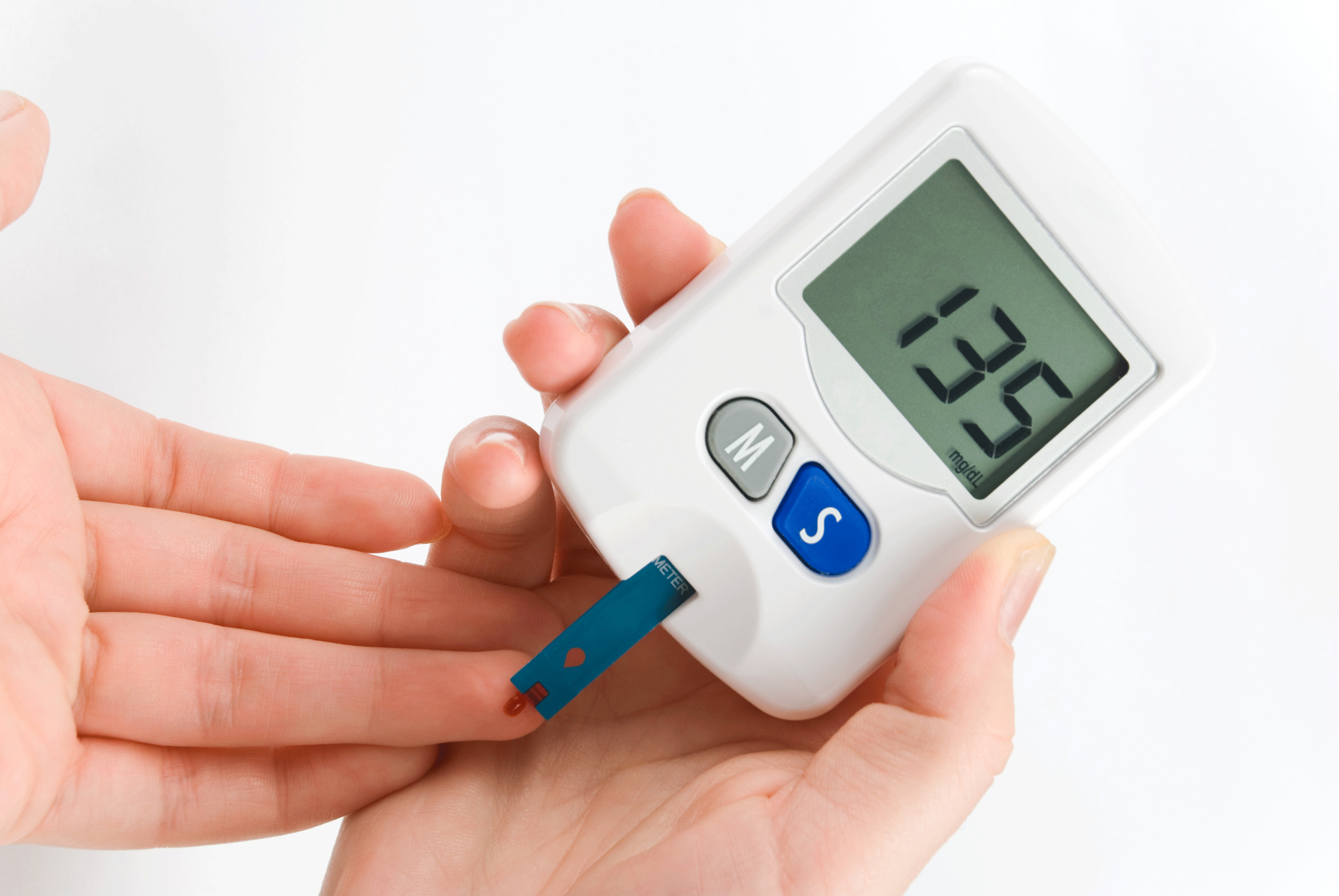
Why Do Symptoms Become More Noticeable at Night?
During sleep, the body continues to regulate blood sugar levels.
When glucose remains too high or occasionally drops too low, certain symptoms may become more noticeable because:
-
The body is at rest.
-
Hormonal changes occur overnight.
-
Fluid balance changes.
-
There are fewer distractions from bodily sensations.
Many people first recognize diabetes because of nighttime symptoms that repeatedly interrupt their sleep.
1. Frequent Urination During the Night
One of the most common early symptoms of diabetes is nocturia, or waking up multiple times to urinate.
Why It Happens
When blood sugar levels become too high, the kidneys work harder to remove excess glucose through the urine.
As more urine is produced, people may find themselves waking several times during the night to use the bathroom.
If nighttime urination becomes frequent without another obvious cause, it may be worth discussing with a healthcare provider.
2. Excessive Thirst
Frequent urination causes the body to lose fluids.
As a result, many people experience:
-
Dry mouth
-
Intense thirst
-
The need to drink water throughout the night
Constant thirst that persists despite drinking enough fluids is a classic symptom of elevated blood sugar.
3. Night Sweats
Some individuals with diabetes experience excessive sweating while sleeping.
Possible reasons include:
-
Low blood sugar during the night (nocturnal hypoglycemia)
-
Hormonal responses
-
Blood sugar fluctuations
Although night sweats have many possible causes, repeated episodes should be evaluated.
4. Restless or Poor-Quality Sleep
Blood sugar fluctuations can interfere with normal sleep patterns.
People may experience:
-
Frequent awakening
-
Difficulty staying asleep
-
Restlessness
-
Feeling unrefreshed in the morning
Poor sleep and diabetes often influence one another, creating a cycle that may worsen blood sugar control over time.
5. Tingling or Numbness in the Feet
Some individuals notice unusual sensations when lying in bed.
These may include:
-
Tingling
-
Burning
-
Pins-and-needles
-
Numbness
These symptoms may be related to diabetic peripheral neuropathy, a complication caused by long-term nerve damage from elevated blood sugar.
Neuropathy often becomes more noticeable at night because there are fewer daytime distractions.
6. Leg Cramps
Painful muscle cramps during sleep may occasionally occur in people with diabetes.
Possible contributing factors include:
-
Nerve changes
-
Poor circulation
-
Electrolyte imbalances
Although leg cramps are common and often harmless, persistent episodes deserve medical evaluation.
7. Unexplained Hunger
Some people wake during the night feeling unusually hungry.
Despite eating normally during the day, they may experience:
-
Intense hunger
-
Cravings for carbohydrates
-
Difficulty feeling satisfied
This can occur because the body's cells are unable to use glucose efficiently for energy.
8. Morning Headaches
Waking up with headaches may sometimes be related to overnight blood sugar fluctuations.
Possible contributing factors include:
-
High blood sugar
-
Low blood sugar
-
Sleep disruption
-
Dehydration
Recurring morning headaches should not be ignored, particularly when accompanied by other symptoms of diabetes.
9. Slow-Healing Cuts or Skin Problems
Although this symptom is often noticed during the day, some people become aware of itching or discomfort at night.
High blood sugar may contribute to:
-
Slow wound healing
-
Dry skin
-
Frequent skin infections
-
Persistent itching
These problems may become more noticeable while trying to sleep.
Other Symptoms of Diabetes
In addition to nighttime warning signs, diabetes may also cause:
-
Blurred vision
-
Fatigue
-
Frequent infections
-
Unexplained weight loss
-
Increased appetite
-
Dry mouth
-
Difficulty concentrating
Many of these symptoms develop gradually.
Who Is at Higher Risk?
Several factors increase the likelihood of developing Type 2 diabetes.
These include:
-
Family history
-
Overweight or obesity
-
Physical inactivity
-
High blood pressure
-
High cholesterol
-
Gestational diabetes during pregnancy
-
Increasing age
However, diabetes can develop in people of any age and body type.
How Is Diabetes Diagnosed?
Healthcare providers may recommend several tests, including:
-
Fasting blood glucose
-
Hemoglobin A1C (HbA1c)
-
Oral glucose tolerance test
-
Random blood glucose testing
These tests help determine whether blood sugar levels are within a healthy range.
How to Reduce Your Risk
Although not all cases of diabetes can be prevented, healthy habits may lower the risk of developing Type 2 diabetes.
Eat a Balanced Diet
Focus on:
-
Vegetables
-
Fruits
-
Whole grains
-
Lean proteins
-
Healthy fats
Limit excessive intake of:
-
Sugary beverages
-
Highly processed foods
-
Refined carbohydrates
Stay Physically Active
Regular exercise helps improve insulin sensitivity and supports healthy blood sugar regulation.
Aim for at least 150 minutes of moderate physical activity each week, or as recommended by your healthcare provider.
Maintain a Healthy Weight
Even modest weight loss may significantly improve blood sugar control in overweight individuals.
Prioritize Sleep
Consistent, high-quality sleep supports healthy metabolism and hormone regulation.
Common Myths About Diabetes
Myth 1: Diabetes Only Affects Older Adults
Type 2 diabetes is increasingly being diagnosed in younger adults and even children.
Myth 2: Eating Sugar Alone Causes Diabetes
Diabetes develops from a combination of genetic, lifestyle, and metabolic factors.
Myth 3: If You Feel Fine, You Can't Have Diabetes
Many people have diabetes for years without obvious symptoms.
Routine screening is important, especially if you have risk factors.
When Should You See a Doctor?
Seek medical evaluation if you experience:
-
Frequent nighttime urination
-
Constant thirst
-
Persistent night sweats
-
Tingling or numbness
-
Blurred vision
-
Slow-healing wounds
-
Unexplained weight loss
-
Ongoing fatigue
Simple blood tests can determine whether blood sugar levels are contributing to your symptoms.
Final Thoughts
Nighttime symptoms such as frequent urination, excessive thirst, night sweats, poor sleep, tingling feet, leg cramps, unusual hunger, morning headaches, and slow-healing skin problems may all be signs that your blood sugar deserves attention.
While these symptoms can have many different causes, they should not be ignored if they occur repeatedly or alongside other warning signs of diabetes. Early diagnosis and proper management can greatly reduce the risk of long-term complications and help maintain a healthy, active life.
Listening to your body—especially when it repeatedly interrupts your sleep - may provide valuable clues about your overall health. Sometimes the first signs of diabetes appear not during the day, but in the quiet hours of the night.