A good night's sleep is about more than simply getting enough hours of rest. The quality of your sleep, the comfort of your mattress and pillow, your bedtime routine, and even your sleeping position can all influence how you feel when you wake up.
Many social media posts claim that one sleeping position is perfect for everyone or that sleeping the "wrong" way can seriously damage your health. The truth is much more nuanced. There is no single sleeping position that is best for every person. However, research suggests that certain positions may be more comfortable or beneficial for specific health conditions, while others may contribute to discomfort in some individuals.
Understanding how sleep position affects the body can help you make informed choices that support better sleep and overall well-being.
Why Sleeping Position Matters
While you sleep, your body continues to work hard.
During the night, your body:
-
Repairs tissues
-
Consolidates memories
-
Regulates hormones
-
Supports immune function
-
Restores energy
Your sleeping position may influence:
-
Spinal alignment
-
Pressure on joints
-
Breathing
-
Snoring
-
Acid reflux symptoms
-
Blood circulation
-
Sleep comfort
Small adjustments in posture can sometimes improve comfort and reduce morning aches.
The Four Most Common Sleeping Positions
Most people naturally sleep in one of four positions:
-
Sleeping on your back
-
Sleeping on your side
-
Sleeping on your stomach
-
Changing positions throughout the night
Each has potential advantages and disadvantages depending on your health and personal comfort.
1. Sleeping on Your Back
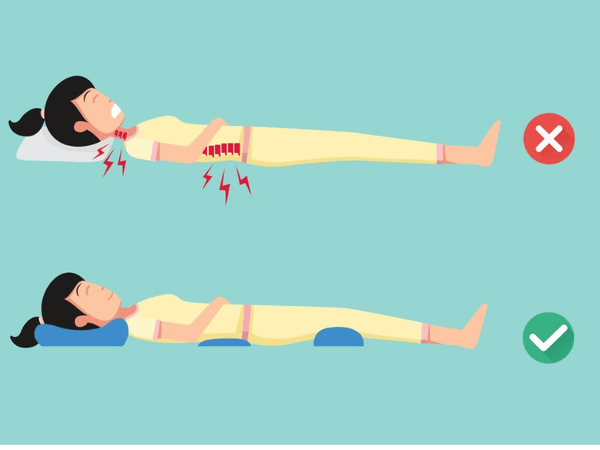
Back sleeping allows the head, neck, and spine to rest in a relatively neutral position when supported by an appropriate pillow and mattress.
Potential Benefits
Back sleeping may:
-
Promote even weight distribution.
-
Reduce pressure on joints.
-
Help maintain spinal alignment.
-
Reduce facial pressure against the pillow.
Some people with neck or back discomfort find this position comfortable when proper support is used.
Possible Drawbacks
For some individuals, back sleeping may:
-
Increase snoring.
-
Worsen obstructive sleep apnea.
-
Make acid reflux symptoms worse in certain cases if the head is not elevated.
People diagnosed with obstructive sleep apnea should discuss sleep position with their healthcare provider.
2. Sleeping on Your Side
Side sleeping is one of the most common sleep positions worldwide.
Potential Benefits
Research suggests side sleeping may:
-
Reduce snoring in some people.
-
Improve airway openness for certain individuals with mild sleep apnea.
-
Help reduce nighttime acid reflux symptoms, particularly when sleeping on the left side.
-
Be recommended during pregnancy, especially in the later stages.
Many experts consider side sleeping a comfortable option for a large number of adults.
Possible Drawbacks
Sleeping on one side all night may contribute to:
-
Shoulder discomfort.
-
Hip pressure.
-
Facial compression.
-
Temporary arm numbness if pressure is placed on nerves.
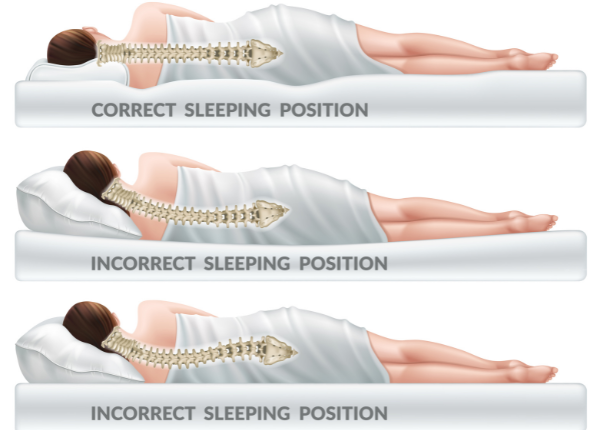
Using a supportive pillow between the knees may improve spinal alignment for some people.
3. Sleeping on Your Stomach
Some people naturally prefer sleeping face down.
Potential Benefits
For a small number of people, stomach sleeping may reduce snoring.
However, the benefits are generally outweighed by potential drawbacks.
Possible Drawbacks
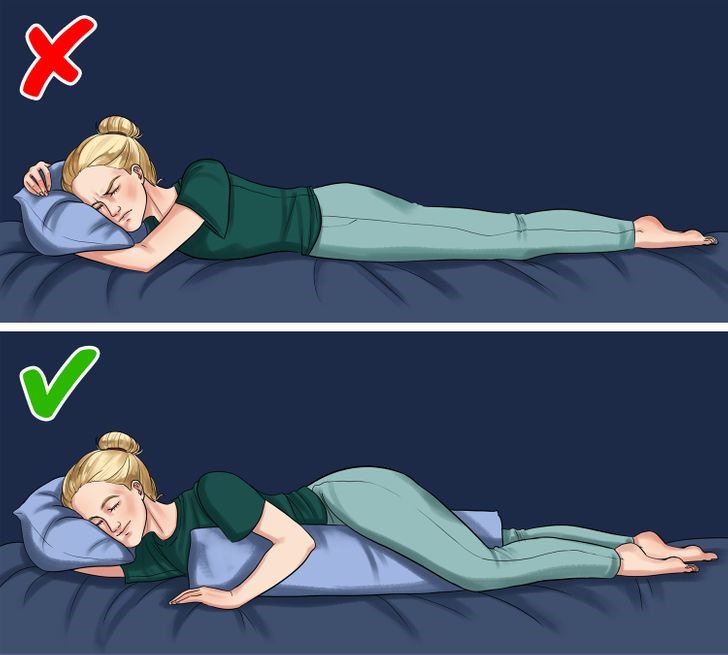
Stomach sleeping often requires turning the head to one side for prolonged periods.
This may contribute to:
-
Neck strain.
-
Lower back discomfort.
-
Increased pressure on muscles and joints.
A thinner pillow—or no pillow under the head—and a small pillow under the hips may reduce strain for some individuals, though many experts recommend side or back sleeping when possible.
4. Changing Positions During the Night
Most people do not remain in a single position throughout the night.
Changing positions is normal and may help:
-
Reduce prolonged pressure on joints.
-
Improve circulation.
-
Increase comfort.
-
Prevent stiffness.
Frequent movement alone is not usually a cause for concern unless it significantly disrupts sleep.
Sleeping Position and Specific Health Conditions
The best sleep position often depends on individual health needs.
Back Pain
People with lower back pain may benefit from:
-
Sleeping on the back with a pillow beneath the knees.
-
Sleeping on the side with a pillow between the knees.
These adjustments may help maintain a more neutral spine.
Neck Pain
A supportive pillow that keeps the neck aligned with the spine is often more important than the exact sleeping position.
Avoid pillows that force the neck into extreme bending.
Acid Reflux
Some research suggests sleeping on the left side may reduce nighttime acid reflux symptoms compared with sleeping on the right side.
Elevating the head of the bed may also help some individuals.
Pregnancy
Healthcare professionals often recommend side sleeping during later pregnancy.
Sleeping on the left side may help optimize blood flow to the placenta, although either side is generally considered appropriate if comfortable.
Pregnant individuals should discuss individualized recommendations with their healthcare provider.
Snoring and Sleep Apnea
People who snore heavily or have obstructive sleep apnea may notice fewer symptoms when sleeping on their side rather than their back.
However, sleep position alone is not a treatment for obstructive sleep apnea.
People with symptoms such as loud snoring, pauses in breathing during sleep, or excessive daytime sleepiness should seek medical evaluation.
Tips for Improving Sleep Position Comfort
Small adjustments can make a noticeable difference.
Consider:
-
Choosing a supportive mattress.
-
Replacing worn-out pillows.
-
Keeping the spine in a neutral position.
-
Using a pillow between the knees when side sleeping.
-
Placing a pillow under the knees when back sleeping.
-
Avoiding excessively high pillows that strain the neck.
Comfort plays an important role in maintaining healthy sleep.
Other Habits That Improve Sleep
Sleeping position is only one piece of the puzzle.
Healthy sleep habits include:
Maintain a Consistent Sleep Schedule
Go to bed and wake up at similar times each day, even on weekends.
Limit Evening Screen Time
Blue light from electronic devices may delay the body's natural release of melatonin.
Aim to reduce screen use during the hour before bedtime.
Create a Comfortable Sleep Environment
A cool, quiet, and dark bedroom generally supports better sleep quality.
Exercise Regularly
Regular physical activity is associated with improved sleep quality, although vigorous exercise immediately before bed may not suit everyone.
Limit Caffeine Late in the Day
Caffeine may remain in the body for several hours and interfere with falling asleep in sensitive individuals.
Common Myths About Sleeping Positions
Myth: There is one perfect sleeping position.
Fact: The best position varies depending on individual comfort and health conditions.
Myth: Sleeping on your stomach always causes permanent damage.
Fact: While stomach sleeping may contribute to neck or back discomfort for some people, not everyone experiences problems.
Myth: Back sleeping is always the healthiest.
Fact: Back sleeping may worsen snoring or obstructive sleep apnea in certain individuals.
Myth: You should never move while sleeping.
Fact: Normal movement throughout the night is healthy and expected.
Myth: Changing your sleep position will cure chronic pain.
Fact: Sleep position may help improve comfort, but persistent pain often requires a broader evaluation and treatment plan.
When Should You See a Healthcare Professional?
Consider seeking medical advice if you experience:
-
Persistent neck or back pain upon waking.
-
Loud snoring.
-
Pauses in breathing during sleep.
-
Excessive daytime fatigue.
-
Frequent nighttime awakenings.
-
Numbness or tingling that continues after waking.
-
Chronic insomnia.
A healthcare provider or sleep specialist can help identify underlying causes and recommend appropriate treatment.
The Bottom Line
Your sleeping position can influence comfort, spinal alignment, breathing, and the quality of your sleep, but there is no single position that is ideal for everyone. Side sleeping may benefit people with acid reflux, snoring, or certain stages of pregnancy, while back sleeping can promote spinal alignment for some individuals when proper support is used. Stomach sleeping may contribute to neck or back discomfort in some people, although not everyone will experience these effects.
The best sleeping position is ultimately the one that allows you to sleep comfortably while supporting your individual health needs. Pairing a comfortable sleep posture with a supportive mattress and pillow, a consistent sleep schedule, regular physical activity, and healthy sleep habits offers the greatest opportunity for restful, restorative sleep and long-term well-being.