Chapter 1: Why Colon Cancer Is Receiving More Attention Around the World
Colon cancer, commonly included under the broader medical term colorectal cancer, develops when abnormal cells grow in the colon or rectum. These organs form the final part of the digestive system and play an important role in processing waste before it leaves the body.
For many years, colorectal cancer was considered a disease primarily associated with older adults. However, researchers have become increasingly concerned about diagnoses among younger people in several countries.
This changing pattern has encouraged scientists to investigate possible explanations, including dietary habits, obesity, physical inactivity, smoking, alcohol consumption, environmental exposures, and changes in the gut microbiome.
Although no single factor explains every case, research increasingly suggests that everyday lifestyle choices can influence long-term colorectal health.
Understanding what happens inside the colon
The colon is a muscular tube that absorbs water and electrolytes from digested food. Its inner surface contains a layer of cells that constantly renew themselves.
Sometimes, genetic changes cause certain cells to grow abnormally. These changes may lead to the development of small growths known as polyps.
Most polyps do not become cancerous. However, certain types, particularly adenomatous polyps and some serrated lesions, can gradually develop into colorectal cancer.
This process often takes several years, although the timeline varies.
One reason screening is so important is that doctors can sometimes identify and remove precancerous polyps before they develop into cancer.
Colorectal cancer can also develop without noticeable early symptoms. This means someone may feel perfectly healthy while an abnormal growth is developing.
Why are younger adults becoming a concern?
Several international studies have identified increasing rates of early-onset colorectal cancer, generally defined as colorectal cancer diagnosed before age 50.
Researchers are examining possible explanations, including changes in dietary patterns, metabolic health, obesity, physical activity, and other environmental influences.
One important distinction is that an increase in cases among younger adults does not mean every young person faces a high individual risk.
Age remains an important risk factor, and most colorectal cancer diagnoses still occur in older adults.
Nevertheless, the trend is significant enough that healthcare professionals increasingly emphasize awareness of symptoms in younger populations.
Persistent changes in bowel habits, unexplained rectal bleeding, abdominal discomfort, and unexplained iron-deficiency anemia should not automatically be dismissed because someone is young.
The relationship between food and colorectal cancer
Food plays an important role in maintaining digestive health.
The body needs adequate protein, carbohydrates, fats, vitamins, minerals, and dietary fiber to function properly.
However, not all dietary patterns have the same relationship with cancer risk.
Research has found particularly strong evidence linking the consumption of processed meat with an increased risk of colorectal cancer.
Processed meat includes products such as bacon, ham, sausages, hot dogs, and certain cured or smoked meat products.
Red meat, including beef, pork, and lamb, has also been associated with colorectal cancer risk, although the evidence and strength of association differ from those for processed meat.
In 2015, the International Agency for Research on Cancer (IARC), part of the World Health Organization, classified processed meat as carcinogenic to humans and red meat as probably carcinogenic to humans.
These classifications describe the strength of evidence that a substance can cause cancer. They do not mean that eating a single sausage or serving of beef will automatically cause cancer.
The amount consumed, frequency of consumption, overall dietary pattern, and individual risk factors all matter.
Why the refrigerator deserves attention
Many households store a combination of fresh vegetables, cooked meals, meat, seafood, and packaged products in the refrigerator.
These foods can be part of a healthy diet, but storage conditions and preparation methods matter.
For example, processed meat may contribute to long-term dietary risk when consumed frequently. Meanwhile, improperly stored leftovers may become contaminated with bacteria that cause food poisoning.
These are two different issues.
Cancer risk generally develops through long-term biological processes, whereas foodborne illness may occur relatively quickly after consuming contaminated food.
Understanding this distinction helps people avoid unnecessary fear and make better food choices.
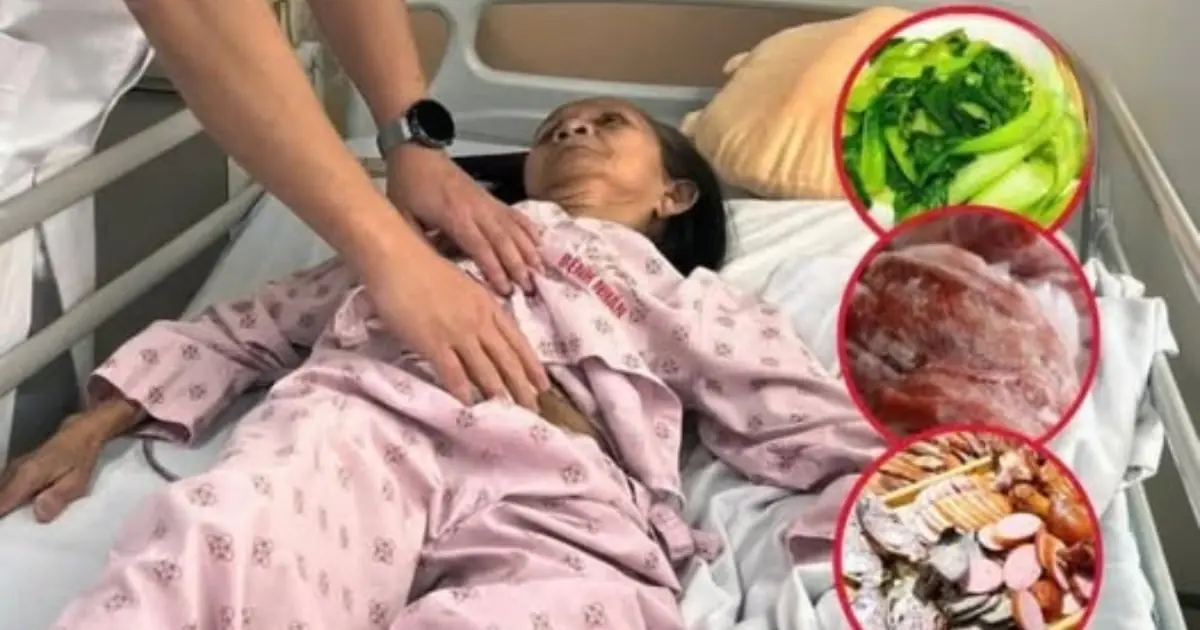
[Image 1 – Suggested placement: A realistic photograph of an Asian older adult receiving a routine medical examination in a hospital. Natural lighting, no text, no logo.]
Chapter 2: The First Two Food Categories – Processed Meat and Red Meat
When examining the relationship between diet and colorectal cancer, two categories deserve particular attention: processed meat and red meat.
These foods are widely consumed around the world. They are convenient, provide protein, and are often included in everyday meals. However, scientific research has identified an association between frequent consumption of these products and an increased risk of colorectal cancer.
This does not mean people must eliminate every type of meat from their diets. The more important consideration is how frequently certain products are consumed and what they are replaced with.
1. Processed Meat: Sausages, Ham, Bacon, and Cured Products
Processed meat is one of the most important dietary categories to consider when discussing colorectal cancer prevention.
Examples include:
-
Sausages and hot dogs.
-
Bacon.
-
Ham.
-
Salami.
-
Smoked meat.
-
Cured pork.
-
Certain canned meat products.
These products are processed through methods such as salting, curing, fermentation, smoking, or other preservation techniques.
Some processed meats contain preservatives, including nitrites and nitrates, which can contribute to the formation of compounds known as N-nitroso compounds under certain conditions.
Researchers have investigated how these compounds, along with other substances associated with processed meat, may contribute to biological changes that increase cancer risk.