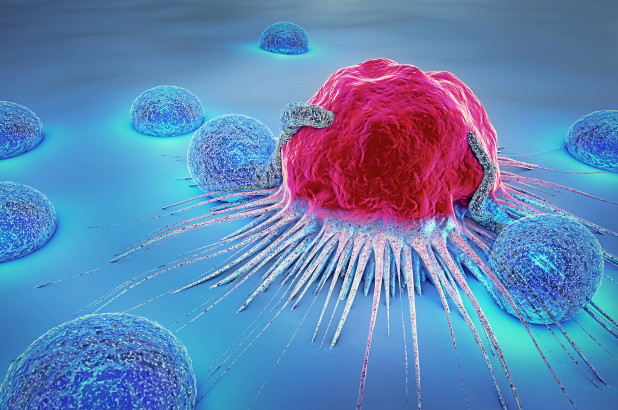
Cancer is a complex disease that affects the body in many ways, often long before a diagnosis is made. One pattern that doctors frequently observe is that certain symptoms tend to be more noticeable or more intense in the morning. These morning symptoms can vary depending on the type of cancer, its stage, and how the body responds to the illness.
While morning discomfort does not always indicate cancer, persistent or unusual symptoms—especially when they follow a consistent pattern - should never be ignored. Understanding why these symptoms occur can help individuals recognize early warning signs and seek timely medical attention.
1. Why Morning Symptoms Happen in Cancer Patients
There are several biological and physiological reasons why cancer-related symptoms may feel worse at the start of the day.
1.1 Overnight Hormonal Changes
During sleep, the body’s hormone levels fluctuate. For example:
-
Cortisol, the stress hormone, rises early in the morning.
-
Inflammatory markers may accumulate overnight.
-
Pain-sensitivity cycles often peak after long periods of rest.
These shifts can make morning hours a time when symptoms are more noticeable.
1.2 Prolonged Inactivity Overnight
When the body stays still for many hours while sleeping, it can lead to:
-
Stiffness
-
Muscle aches
-
Reduced circulation
-
Worsened swelling or inflammation
Cancer-related fatigue, pain, and swelling often intensify after long inactivity and improve slightly once the person is moving.
1.3 Tumor Pressure and Fluid Accumulation
Certain cancers cause swelling or fluid buildup in tissues or around organs. Overnight, while lying down, this fluid redistributes and can worsen:
-
Headaches
-
Chest pressure
-
Shortness of breath
-
Abdominal fullness
This is why some patients wake up feeling discomfort that gradually improves later in the day.
1.4 Metabolic Changes and Low Morning Energy
Cancer affects metabolism by:
-
Increasing the body’s energy demands
-
Reducing appetite
-
Interfering with sleep quality
-
Causing anemia or low blood counts
As a result, patients often wake up feeling extremely tired or weak, regardless of how long they slept.
2. Common Morning Symptoms Linked to Cancer
Here are the specific symptoms that frequently appear or worsen in the morning:
2.1 Persistent Morning Fatigue
Cancer-related fatigue is different from ordinary tiredness. Patients describe it as:
-
Overwhelming
-
Not relieved by rest
-
Present even after a full night of sleep
This type of fatigue can be an early sign of cancers such as leukemia, lymphoma, colon cancer, or lung cancer.
2.2 Morning Nausea or Vomiting
Nausea upon waking may occur because:
-
Tumors affect digestion
-
Hormonal changes spike overnight
-
Intracranial pressure increases when lying down
-
Cancer-related treatments disrupt the stomach
Persistent morning nausea - especially if unexplained - should be checked by a doctor.
2.3 Morning Headaches
Headaches that are worse in the morning can indicate:
-
Increased pressure inside the skull
-
Poor overnight oxygen levels
-
Tumor pressure on nerves or brain tissue
Brain tumors or cancers that spread to the brain often create this pattern, especially when headaches worsen when bending, coughing, or lying flat.
2.4 Morning Coughing or Breathing Difficulty
Lung cancer patients often notice morning symptoms because mucus builds up overnight. They may experience:
-
Persistent morning cough
-
Wheezing
-
Chest tightness
-
Shortness of breath
These symptoms tend to improve slightly as the person becomes more active.
2.5 Morning Appetite Loss or Unexplained Weight Loss
Changes in appetite are very common, especially in cancers affecting:
-
The stomach
-
Pancreas
-
Liver
-
Digestive tract
Morning appetite loss combined with weight loss is a strong red flag.
2.6 Morning Pain
Cancer-related pain may be sharper in the morning due to:
-
Muscle stiffness
-
Bone involvement
-
Tumor pressure depending on sleeping position
Common cancers associated with morning pain include bone cancer, spinal tumors, and metastatic cancers.
3. When Morning Symptoms Require Medical Evaluation
You should seek medical advice if symptoms are:
-
Persistent for more than 2–3 weeks
-
Unexplained by normal causes (stress, poor sleep, diet)
-
Becoming progressively worse
-
Interfering with daily activities
-
Accompanied by weight loss, fever, or night sweats
Early detection greatly improves outcomes for most cancers.
4. How to Reduce Morning Symptoms
While medical diagnosis and treatment are essential, patients can adopt lifestyle measures to ease morning discomfort:
4.1 Improve sleep quality
-
Keep a consistent bedtime
-
Use supportive pillows
-
Elevate the head to reduce pressure and congestion
4.2 Hydrate properly
Dehydration overnight can worsen headaches and fatigue.
4.3 Gentle morning stretching
Helps reduce stiffness and improve circulation.
4.4 Eat small, light meals
Avoid heavy foods before bedtime to reduce nausea.
4.5 Stay active
Regular movement helps reduce inflammation and improve energy levels.
4.6 Seek emotional and psychological support
Stress can worsen physical symptoms and disrupt sleep.
5. Prevention and Early Detection
While not all cancers can be prevented, you can reduce risk by:
-
Avoiding smoking and alcohol abuse
-
Maintaining a healthy weight
-
Eating a diet rich in fruits, vegetables, and whole grains
-
Exercising regularly
-
Getting recommended cancer screenings
-
Managing chronic conditions
-
Avoiding exposure to harmful chemicals
Early detection is key. Listening to your body and noticing unusual morning symptoms may help identify cancers earlier, improving the success of treatment.
Final Thoughts
Morning symptoms - such as fatigue, headaches, nausea, coughing, or pain - are common among cancer patients because of the way cancer affects the body during rest and overnight healing cycles. These symptoms are not proof of cancer, but they should not be ignored when they are persistent or unexplained.
Understanding how and why these symptoms occur empowers individuals to seek medical help sooner, improving the chances of early diagnosis and better outcomes.