Garlic has been used as both a food and a traditional remedy for thousands of years. Found in kitchens around the world, this pungent bulb is valued not only for its distinctive flavor but also for its impressive nutritional profile. Throughout history, various cultures have associated garlic with supporting overall health, and modern research continues to explore the compounds responsible for its potential benefits.
One practice that frequently appears in wellness discussions is eating garlic before bed. Some people believe that consuming garlic at night may help support immunity, cardiovascular health, digestion, and even sleep quality. While many of these claims require further research, garlic does contain several biologically active compounds that have attracted scientific interest.
So, what actually happens when garlic becomes part of an evening routine? Let's take a closer look at what current evidence suggests.

What Makes Garlic Unique?
Garlic belongs to the Allium family, which also includes:
-
Onions
-
Leeks
-
Shallots
-
Chives
Garlic Contains Several Compounds
Including:
-
Allicin
-
Sulfur compounds
-
Antioxidants
-
Flavonoids
-
Trace minerals
Many of garlic's potential health effects are linked to these naturally occurring substances.
The Role of Allicin
When garlic is chopped, crushed, or chewed, a compound called allicin is formed.
Why Researchers Study Allicin
Allicin is believed to contribute to many of garlic's biological properties and has been widely studied in laboratory settings.
Potential Benefit #1: Supporting Cardiovascular Health
One of the most researched areas involving garlic relates to heart health.
Studies Have Explored Garlic's Potential Influence On
-
Blood pressure
-
Cholesterol levels
-
Circulation
-
Vascular function
While garlic should never replace prescribed treatment, incorporating garlic into a balanced diet may contribute to overall cardiovascular wellness.
Why Heart Health Matters
The cardiovascular system supplies oxygen and nutrients throughout the body.
Healthy lifestyle habits remain the foundation of long-term heart health.
Potential Benefit #2: Rich in Antioxidants
Garlic contains antioxidant compounds that help protect cells from oxidative stress.
Oxidative Stress Occurs When
Free radicals accumulate faster than the body can neutralize them.
Over Time, Oxidative Stress Has Been Linked To
-
Aging
-
Cellular damage
-
Various chronic conditions
A diet rich in antioxidant-containing foods may help support overall wellness.
Potential Benefit #3: May Support Immune Function
Garlic is frequently associated with immune health.
Researchers Continue Studying
How garlic's sulfur compounds may interact with immune processes.
Important Reminder
No food can prevent all illnesses.
However, nutrient-rich foods can support the body's normal immune functions as part of a healthy lifestyle.
Potential Benefit #4: May Contribute to Healthy Blood Pressure
Several studies have investigated garlic's relationship with blood pressure regulation.
Some Research Suggests
Certain garlic compounds may support healthy blood pressure levels in some individuals.
However
Results vary, and garlic should not be viewed as a substitute for medical care.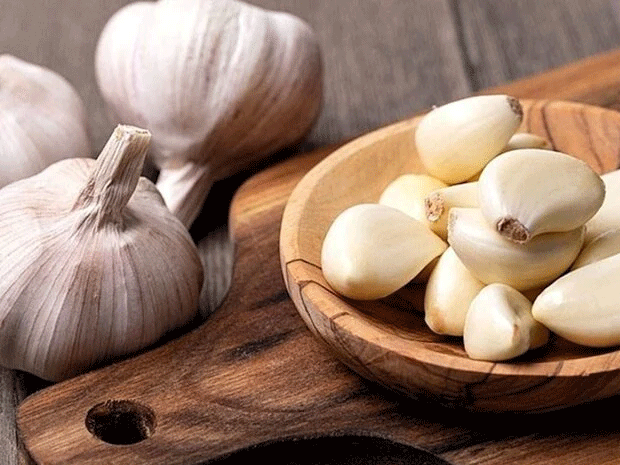
Potential Benefit #5: Nutrient Density
Although garlic is typically consumed in small amounts, it contains several nutrients.
These Include
-
Vitamin C
-
Vitamin B6
-
Manganese
-
Selenium
Garlic also contributes various plant compounds that may support overall health.
Potential Benefit #6: May Support Digestive Health
Many traditional practices have linked garlic to digestive wellness.
Garlic Contains Compounds That
May influence the balance of microorganisms within the digestive system.
Why This Matters
Gut health plays an important role in:
-
Digestion
-
Nutrient absorption
-
Immune function
Research in this area continues to evolve.
Potential Benefit #7: Part of a Healthy Evening Routine
Sometimes the benefits of an evening habit extend beyond the specific food itself.
Establishing Consistent Evening Habits May Help
-
Promote mindfulness
-
Encourage healthier eating patterns
-
Reduce late-night snacking
When incorporated into a balanced diet, garlic may become one element of a healthy routine.
Does Garlic Help You Sleep?
This is one of the most common claims found online.
What Does Science Say?
There is currently limited direct evidence showing that eating garlic before bed significantly improves sleep quality.
However
Garlic's potential effects on overall health may indirectly contribute to well-being.
More research is needed before strong conclusions can be drawn.
Why Some People Prefer Garlic at Night
People who eat garlic before bed often cite practical reasons.
Common Explanations Include
-
Easier scheduling
-
Incorporating it into dinner
-
Personal preference
-
Traditional beliefs
The timing itself may be less important than regularly consuming garlic as part of a healthy diet.
Raw Garlic vs. Cooked Garlic
The form of garlic may influence its properties.
Raw Garlic
Crushing raw garlic helps generate allicin.
Advantages
-
Higher allicin formation
-
Strong flavor
Drawbacks
-
Strong odor
-
Possible stomach irritation
Cooked Garlic
Cooking changes some compounds.
Advantages
-
Milder flavor
-
Easier digestion for some people
Drawbacks
-
Reduced levels of certain heat-sensitive compounds
Both forms can fit into a healthy eating pattern.
Potential Downsides of Eating Garlic Before Bed
While garlic is safe for most people, it is not suitable for everyone.
Possible Side Effects
Some Individuals May Experience
-
Heartburn
-
Acid reflux
-
Stomach discomfort
-
Digestive irritation
These symptoms may be more noticeable when garlic is consumed shortly before lying down.
Who Should Be Cautious?
Certain individuals may need to exercise additional caution.
This Includes People Who
-
Have acid reflux
-
Have sensitive stomachs
-
Take blood-thinning medications
-
Have garlic allergies
Consulting a healthcare professional is advisable when concerns exist.
How Much Garlic Is Reasonable?
There is no universally recommended bedtime amount.
General Advice
Moderate consumption is typically preferred.
Excessive intake may increase the likelihood of unwanted side effects.
Common Myths About Garlic Before Bed
Myth 1: Garlic Cures Diseases Overnight
No food provides immediate cures.
Myth 2: More Garlic Means Better Results
Excessive consumption can cause discomfort.
Myth 3: Garlic Replaces Medication
Garlic should complement—not replace—professional medical treatment.
Myth 4: Everyone Benefits Equally
Individual responses vary significantly.
Other Ways to Enjoy Garlic
Garlic does not have to be eaten alone.
Healthy Ways to Include Garlic
-
Soups
-
Roasted vegetables
-
Stir-fries
-
Salad dressings
-
Marinades
Regular dietary inclusion may be more sustainable than consuming raw garlic alone.
Building a Healthy Lifestyle
Garlic can be part of a nutritious diet, but long-term health depends on broader habits.
Key Foundations Include
-
Balanced nutrition
-
Regular physical activity
-
Quality sleep
-
Stress management
-
Routine healthcare
No single food can replace these essentials.
What Research Still Needs to Answer
Although garlic is one of the most studied foods in nutrition science, many questions remain.
Researchers continue investigating:
-
Optimal intake levels
-
Long-term effects
-
Specific biological mechanisms
-
Potential therapeutic applications
Future studies may provide clearer answers.
Final Thoughts
Garlic has earned its reputation as one of the most interesting and widely studied foods in the world. Rich in sulfur compounds, antioxidants, and beneficial plant nutrients, it may support cardiovascular health, immune function, and overall wellness when consumed as part of a balanced diet. While there is limited evidence that eating garlic specifically before bed offers unique advantages, incorporating garlic into regular meals may contribute to a healthy lifestyle.
Rather than viewing garlic as a miracle remedy, it is best appreciated as a flavorful and nutrient-rich food that can complement healthy habits. Whether enjoyed at dinner, incorporated into recipes, or occasionally consumed in the evening, garlic remains a valuable addition to many dietary patterns around the world.