Sunflower seeds may be small, but they contain a surprising range of nutrients that can contribute to a healthy diet. Whether you enjoy cracking open the shells while watching television, sprinkling kernels over a salad, or adding them to homemade snacks, these familiar seeds offer more than just a satisfying crunch.
They provide vitamin E, plant-based protein, unsaturated fats, fiber, and several essential minerals. Depending on how they are prepared, sunflower seeds can be a convenient addition to meals and snacks. However, heavily salted varieties, large portions, and flavored products may come with drawbacks that are easy to overlook.
So, are sunflower seeds really good for you? Can they support heart health, help you feel full, or contribute to healthier skin? And is it possible to eat too many?
Here are 11 important facts about sunflower seeds that can help you understand their nutritional value, potential benefits, and the best ways to enjoy them.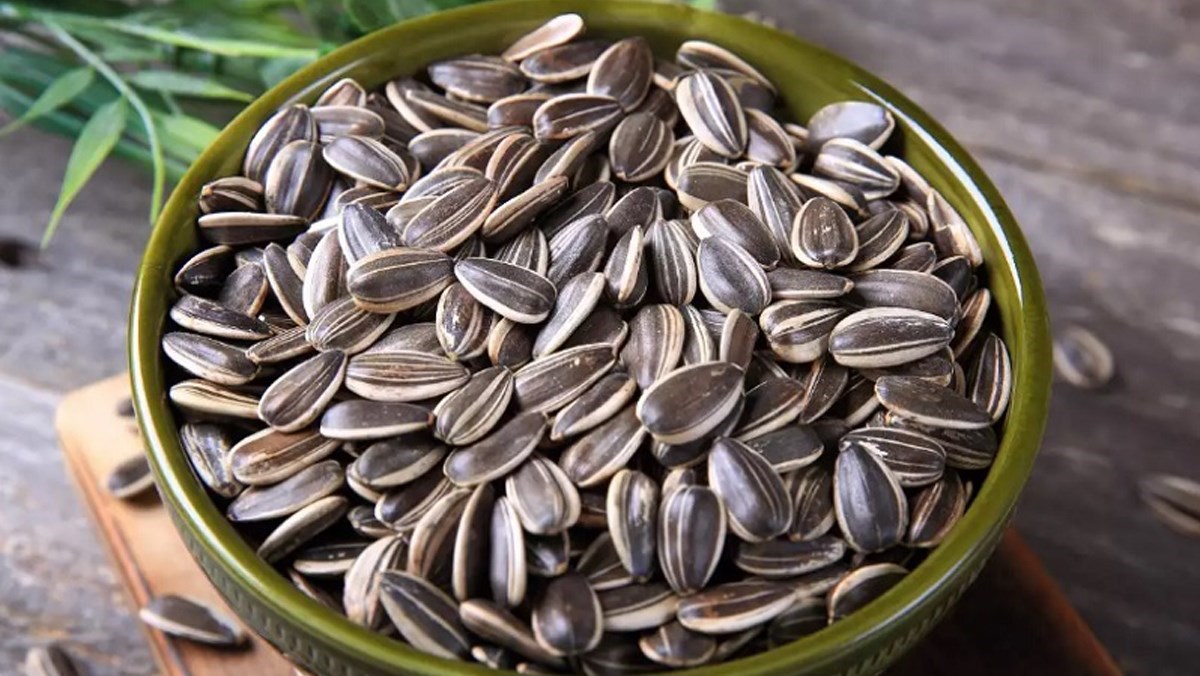
1. Sunflower Seeds Are Packed With Essential Nutrients
One of the most interesting facts about sunflower seeds is how much nutrition they provide in a relatively small serving.
A one-ounce serving of shelled, dry-roasted sunflower seeds without added salt contains approximately 165 calories, 5.5 grams of protein, 14 grams of fat, and 3 grams of dietary fiber. It also provides vitamin E, magnesium, selenium, and other nutrients. Exact amounts vary depending on the variety and preparation method.
This combination makes sunflower seeds more than a simple snack. They can help supplement a balanced eating pattern with nutrients that the body needs for normal functioning.
Protein helps build and maintain body tissues. Dietary fat supports cell structure and helps the body absorb fat-soluble vitamins. Fiber contributes to digestive health, while minerals participate in numerous processes throughout the body.
The key is to think of sunflower seeds as a nutrient-rich addition to your diet rather than a complete nutritional solution. They cannot replace vegetables, fruits, whole grains, legumes, or other foods that provide a wider range of nutrients.
The takeaway: A small handful can deliver several valuable nutrients, making sunflower seeds a practical snack when eaten in reasonable portions.
2. They Are One of the Better Food Sources of Vitamin E
Vitamin E is one of the standout nutrients in sunflower seeds.
This fat-soluble vitamin acts as an antioxidant, helping protect cells from damage caused by free radicals. Free radicals are unstable molecules produced through normal metabolism and exposure to certain environmental factors. When their production exceeds the body's ability to manage them, oxidative stress can occur.
The body has antioxidant defense systems, and vitamin E is one part of this protective network.
Getting enough vitamin E through food is important for normal immune function and the maintenance of healthy cells. Sunflower seeds, along with certain vegetable oils, nuts, and other seeds, can help people meet their dietary needs.
Vitamin E is also associated with skin health because it helps protect cell membranes from oxidative damage. However, eating sunflower seeds should not be viewed as a treatment for wrinkles, acne, eczema, or other skin conditions.
Healthy skin depends on many factors, including genetics, sun exposure, hydration, sleep, overall nutrition, and appropriate skin care.
There is another important distinction: obtaining vitamin E from food is not the same as taking high-dose supplements. Supplements can provide much larger amounts than an ordinary serving of seeds, and high doses may be inappropriate for some people, particularly those taking certain medications.
For most people, including vitamin E-rich foods in a balanced diet is a sensible starting point.
The takeaway: Sunflower seeds provide vitamin E that supports normal antioxidant and immune functions, but they are not a miracle food for youthful skin or disease prevention.
3. The Fats in Sunflower Seeds Can Fit Into a Heart-Healthy Diet
The word "fat" sometimes makes people assume that a food is unhealthy. In reality, the type of fat matters.
Sunflower seeds contain predominantly unsaturated fats, including polyunsaturated and monounsaturated fatty acids. These fats are generally considered preferable to consuming large amounts of saturated fat.
When unsaturated fats replace some saturated fats in an overall eating pattern, they can help support healthier blood cholesterol levels. That is one reason nuts and seeds are commonly included in heart-conscious dietary patterns.
Sunflower seeds also supply vitamin E and minerals, adding to their nutritional value. However, eating sunflower seeds alone does not guarantee protection against heart disease.
How you prepare them makes a difference.