Likewise, eating magnesium-rich foods does not guarantee better sleep. Adequate magnesium intake is important for normal physiology, but the effects of additional magnesium on sleep vary depending on a person's nutritional status and other factors.
For most people, obtaining magnesium through a varied diet is a sensible approach. Foods such as legumes, nuts, seeds, whole grains, and leafy green vegetables can all help.
People with kidney disease or those taking medications that affect mineral balance may need individualized dietary advice.
The takeaway: Sunflower seeds can help supply magnesium for normal muscle, nerve, and energy functions, but they should not be regarded as a universal remedy for cramps or sleep problems.
7. Selenium Helps the Body Maintain Important Functions
Selenium is a trace mineral, meaning the body needs it in relatively small quantities. Despite this, it plays several important roles.
Selenium is required for the activity of certain proteins and enzymes involved in antioxidant defenses and thyroid hormone metabolism. It also contributes to normal immune function.
Sunflower seeds contain selenium, although the amount can vary depending on growing conditions and the product. A typical serving provides a modest contribution to daily intake.
The thyroid gland uses selenium-dependent enzymes to help regulate thyroid hormone activity. This does not mean that eating sunflower seeds will treat hypothyroidism, hyperthyroidism, or another thyroid disorder.
Thyroid conditions have different causes and require appropriate assessment. Adding more selenium is not necessarily beneficial if someone already consumes enough.
In fact, excessive selenium intake can be harmful. Too much selenium from supplements or a combination of concentrated sources can cause symptoms such as nausea, hair loss, brittle nails, and other problems.
This is a useful reminder that more of a nutrient is not always better. Trace minerals are essential within appropriate ranges, and unnecessary supplementation can upset that balance.
For most healthy adults, a varied diet is a better foundation than relying on supplements without a demonstrated need.
The takeaway: Sunflower seeds contribute selenium, a mineral needed for normal thyroid-related and antioxidant functions. They do not treat thyroid disease, and excessive supplementation should be avoided.
8. Sunflower Seeds May Help You Feel Satisfied Between Meals
Have you ever noticed that a small snack containing protein and fat can feel more satisfying than a sweet snack that disappears in just a few bites?
Sunflower seeds have a combination of protein, fat, and fiber that may help make a snack more filling.
Protein and fat generally take longer to digest than some rapidly absorbed carbohydrates, while fiber can contribute to fullness. Together, these characteristics can make sunflower seeds a useful option for people who want a satisfying snack between meals.
For example, a small portion of unsalted kernels could be paired with a piece of fruit or plain yogurt. This combination provides a broader range of nutrients than seeds alone.
However, sunflower seeds are also energy-dense. One ounce contains approximately 165 calories, so repeatedly eating large handfuls without noticing the amount can add substantial calories to your day.
This is particularly relevant when eating directly from a large bag. Because the seeds are small and easy to snack on, it may be difficult to estimate how much you have consumed.
If your goal is weight management, try measuring a portion into a small bowl rather than eating straight from the package.
You do not need to eliminate sunflower seeds to manage your weight. The important factors are portion size, overall calorie intake, physical activity, and the quality of your overall diet.
The takeaway: Sunflower seeds can make a satisfying snack, but their calorie content means that portion awareness remains important.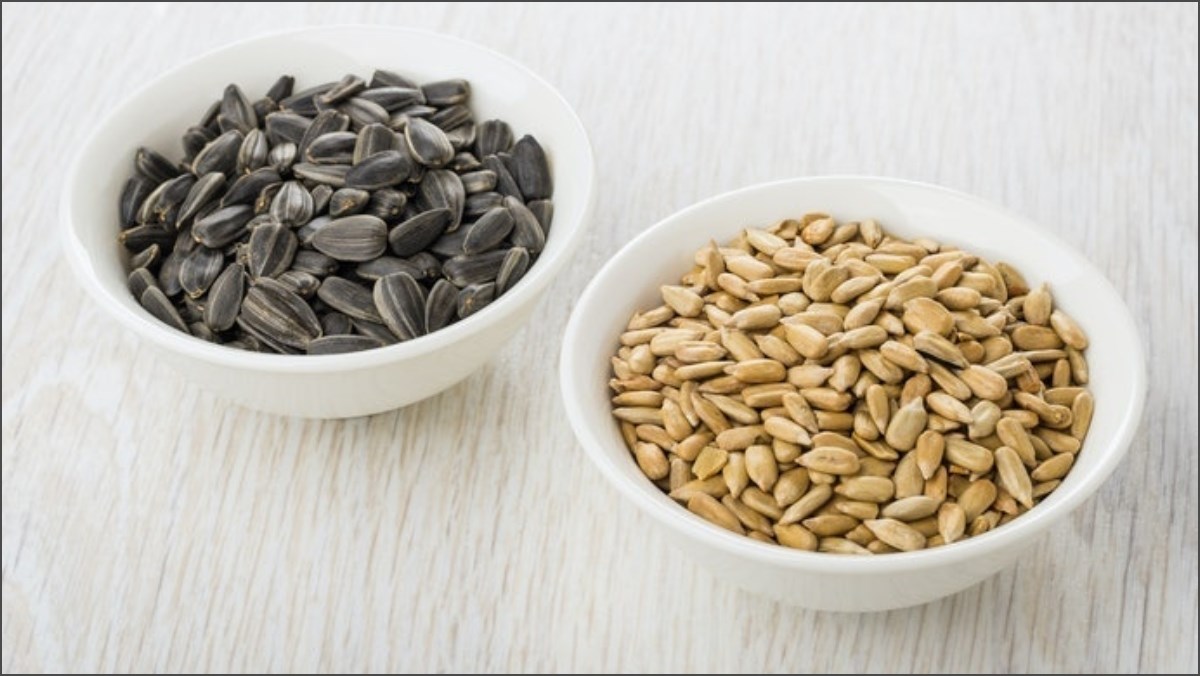
9. Salted Sunflower Seeds Can Contain More Sodium Than You Expect
This is one of the most important facts to remember if sunflower seeds are a regular part of your snacking routine.
Plain sunflower seeds naturally contain very little sodium. However, manufacturers often add salt during roasting or seasoning, and some products contain substantial amounts.
Eating too much sodium over time can contribute to high blood pressure, which is a major risk factor for cardiovascular disease and stroke. The amount of sodium in sunflower seeds varies considerably between brands, so checking the nutrition label is more reliable than assuming every product is similar.
The challenge is that salty snacks can be easy to eat in large quantities. When you are watching a movie, talking with friends, or working at your desk, you may consume much more than you intended.