Rosemary is one of the world's most recognizable herbs. Known for its fragrant aroma and distinctive flavor, it has been used for centuries in cooking, traditional wellness practices, and herbal preparations. Today, rosemary continues to attract scientific interest as researchers explore its potential effects on cognitive function, mood, antioxidant activity, and overall health.
While rosemary is not a miracle cure and should not be viewed as a substitute for medical treatment, emerging research suggests that certain compounds found within the plant may contribute to various aspects of wellness when consumed as part of a balanced diet and healthy lifestyle.
Let's take a closer look at what rosemary is, why it has attracted attention from scientists, and what current research suggests about its potential benefits.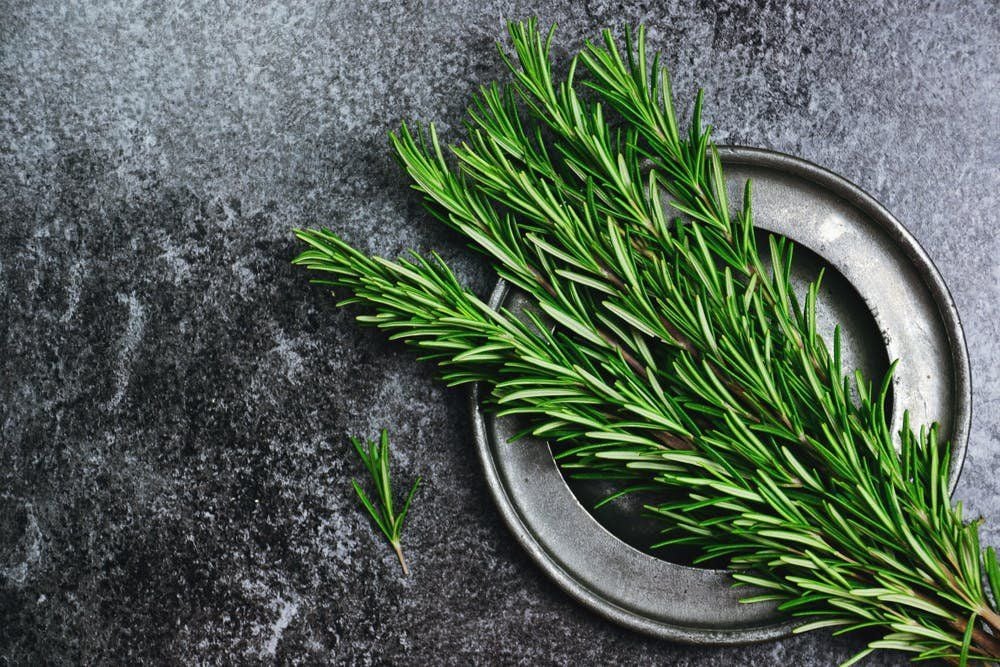
What Is Rosemary?
Rosemary (Rosmarinus officinalis or Salvia rosmarinus) is an evergreen herb native to the Mediterranean region.
It Is Commonly Used In
-
Cooking
-
Herbal teas
-
Aromatherapy
-
Traditional medicine
-
Natural skincare products
Its needle-like leaves contain a variety of plant compounds that researchers continue to study.
Key Compounds Found in Rosemary
The potential health effects of rosemary are largely linked to its naturally occurring phytochemicals.
Important Compounds Include
-
Rosmarinic acid
-
Carnosic acid
-
Carnosol
-
Flavonoids
-
Essential oils
These substances possess antioxidant and anti-inflammatory properties that may contribute to rosemary's growing reputation.
Why Scientists Are Interested in Rosemary
Researchers are particularly interested in rosemary because of its potential influence on several biological processes.
Areas Being Studied Include
-
Brain function
-
Memory
-
Mood
-
Inflammation
-
Oxidative stress
-
Healthy aging
While many studies remain preliminary, the findings have generated considerable interest.
Rosemary and Cognitive Function
One of the most frequently discussed areas of rosemary research involves cognitive performance.
Why Cognitive Health Matters
Cognitive function includes:
-
Memory
-
Attention
-
Concentration
-
Learning
-
Decision-making
Maintaining these abilities becomes increasingly important as people age.
The Historical Connection Between Rosemary and Memory
For centuries, rosemary has been associated with memory and mental clarity.
In Ancient Traditions
Students and scholars were sometimes encouraged to use rosemary while studying.
Although historical beliefs do not prove effectiveness, modern researchers have become curious about whether there may be a scientific basis for these traditions.
What Research Suggests
Some studies have explored whether compounds in rosemary may influence cognitive performance.
Researchers Have Examined
-
Attention
-
Processing speed
-
Working memory
-
Mental alertness
Results have been mixed, and additional research is needed.
However, some findings suggest rosemary may have a positive influence on certain aspects of cognitive performance under specific conditions.
The Role of Antioxidants in Brain Health
The brain is particularly sensitive to oxidative stress.
What Is Oxidative Stress?
Oxidative stress occurs when unstable molecules called free radicals accumulate faster than the body can neutralize them.
Over Time
Oxidative stress may contribute to:
-
Cellular damage
-
Aging processes
-
Neurological changes
Rosemary contains antioxidants that may help support the body's natural defense systems.
Rosemary and Healthy Aging
Researchers are increasingly interested in how dietary antioxidants may contribute to healthy aging.
Rosemary Contains
-
Carnosic acid
-
Rosmarinic acid
These compounds are being studied for their potential protective effects on cells.
Although more human research is needed, laboratory findings have been encouraging.
Could Rosemary Influence Mood?
Some studies have examined whether rosemary's aroma may affect mood and emotional well-being.
Why Aroma Matters
The sense of smell has direct connections to brain regions involved in:
-
Emotion
-
Memory
-
Stress responses
Some Individuals Report Feeling
-
More alert
-
More focused
-
More energized
After exposure to rosemary aroma.
However, individual responses vary.
Rosemary in Aromatherapy
Aromatherapy practitioners frequently use rosemary essential oil.
Common Reasons Include
-
Promoting alertness
-
Supporting concentration
-
Enhancing relaxation routines
It is important to remember that aromatherapy should not replace medical care when needed.
Rosemary and Immune Health
The immune system relies on a variety of nutrients and healthy lifestyle factors to function properly.
Rosemary Contains Compounds With
-
Antioxidant properties
-
Anti-inflammatory properties
Researchers continue exploring how these compounds may interact with the body's natural defense mechanisms.
Understanding Inflammation
Inflammation is a normal part of the body's response to injury and infection.
However
Chronic inflammation has been linked to various health concerns.
Plant-based foods rich in antioxidants are often studied for their potential role in supporting healthy inflammatory responses.
Rosemary is one such plant.
Rosemary and Digestive Wellness
Traditionally, rosemary has been used in various cultures to support digestion.
It Has Been Included In
-
Herbal teas
-
Culinary preparations
-
Traditional remedies
While scientific evidence remains limited, rosemary continues to be valued for its culinary and traditional uses.
Nutritional Value of Rosemary
Although rosemary is typically consumed in small amounts, it contains various nutrients.
These Include
-
Iron
-
Calcium
-
Manganese
-
Vitamin A
-
Plant antioxidants
Its greatest contribution likely comes from its bioactive plant compounds rather than its calorie or nutrient content.
Fresh Rosemary vs. Dried Rosemary
Both forms offer benefits.
Fresh Rosemary
Provides:
-
Strong aroma
-
Vibrant flavor
Dried Rosemary
Offers:
-
Longer shelf life
-
Convenient storage
Both contain many of the same beneficial compounds.
Ways to Incorporate Rosemary Into Your Diet
Rosemary is a versatile herb that can be used in many dishes.
Popular Uses Include
Savory Meals
-
Roasted vegetables
-
Poultry
-
Potatoes
-
Soups
Beverages
-
Herbal teas
-
Infused water
Seasonings
-
Homemade spice blends
-
Marinades
Adding rosemary can enhance flavor without adding excess salt or sugar.
Rosemary Tea
Many people enjoy rosemary tea as a soothing herbal beverage.
A Simple Preparation
May Include:
-
Fresh rosemary leaves
-
Hot water
Allowing the herb to steep creates an aromatic drink that many find enjoyable.
Common Myths About Rosemary
Myth 1: Rosemary Prevents Memory Loss
Research is ongoing, but no herb can guarantee prevention of cognitive decline.
Myth 2: More Rosemary Means Better Results
Moderation remains important.
Myth 3: Rosemary Can Replace Medical Treatment
Rosemary should not be viewed as a substitute for professional healthcare.
Myth 4: Natural Products Are Always Risk-Free
Even herbs may interact with medications or affect certain individuals differently.
Who Should Exercise Caution?
Although rosemary is generally safe when used as a culinary herb, some individuals should consult a healthcare professional before using concentrated supplements or essential oils.
This May Include People With
-
Certain medical conditions
-
Medication concerns
-
Specific allergies
Individual needs vary.
The Bigger Picture
No single herb determines health outcomes.
Long-Term Wellness Depends On
-
Balanced nutrition
-
Physical activity
-
Quality sleep
-
Stress management
-
Preventive healthcare
Rosemary can be one enjoyable component of a healthy lifestyle, but it works best as part of a broader wellness strategy.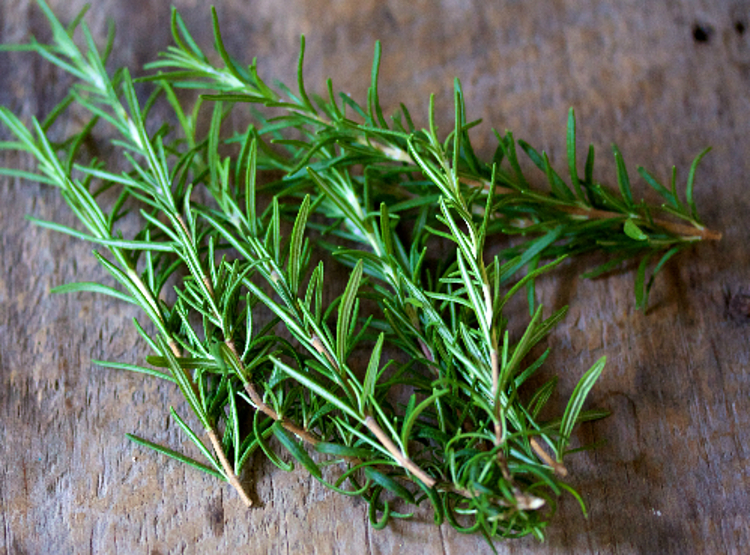
Final Thoughts
Rosemary has been valued for centuries for its flavor, aroma, and traditional uses. Modern research suggests that its antioxidant-rich compounds may offer potential benefits related to cognitive function, healthy aging, mood, and overall wellness. While many findings remain preliminary and more research is needed, rosemary continues to be an intriguing subject of scientific investigation.
Whether enjoyed in meals, herbal teas, or aromatherapy practices, rosemary offers a flavorful and aromatic way to incorporate a nutrient-rich herb into daily life. Although it is not a cure-all, it may serve as a valuable addition to a balanced diet and health-conscious lifestyle.