Your arteries work around the clock, carrying oxygen-rich blood from your heart to the rest of your body.
We rarely think about them until something goes wrong.
Over time, factors such as high LDL cholesterol, high blood pressure, smoking, diabetes, chronic inflammation, and other metabolic problems can contribute to changes in the arterial walls. One of the most important processes is atherosclerosis, in which plaque gradually builds up inside arteries.
This raises an interesting question:
Can vitamins help keep your arteries healthy?
The answer is more complicated than many headlines suggest.
Vitamins are essential nutrients, and several vitamins play important roles in blood vessels, metabolism, antioxidant defenses, and bone health. However, vitamins do not simply “scrub” plaque out of your arteries, and taking high-dose supplements is not a proven way to reverse atherosclerosis.
The strongest approach to cardiovascular health remains a combination of healthy eating, regular physical activity, blood-pressure and cholesterol management, avoiding tobacco, maintaining a healthy weight, and following appropriate medical treatment.
Still, making sure you get enough essential vitamins is an important part of overall health.
Here are six vitamins worth knowing about when it comes to arterial and cardiovascular health.
1. Vitamin D: More Than Just a Bone Vitamin
Vitamin D is best known for its role in calcium absorption and bone health, but researchers have also studied its relationship with cardiovascular health.
Vitamin D receptors are found in many tissues throughout the body, including cardiovascular tissues.
Low vitamin D levels have been associated in observational studies with several cardiovascular risk factors and conditions.
However, there is an important distinction between association and causation.
People with low vitamin D levels may also have other characteristics that increase cardiovascular risk, such as obesity, limited outdoor activity, chronic illness, or poor overall health.
Clinical trials haven't consistently shown that taking vitamin D supplements prevents heart attacks, strokes, or cardiovascular disease in otherwise unselected populations.
So where does vitamin D fit?
The goal isn't to take enormous doses of vitamin D in hopes of protecting your arteries.
The goal is to avoid deficiency and maintain an appropriate vitamin D status.
Sources include:
-
Sunlight exposure
-
Fatty fish
-
Egg yolks
-
Fortified milk
-
Fortified plant-based beverages
-
Certain fortified foods
-
Supplements when medically appropriate
If you suspect you are deficient, a healthcare professional can determine whether testing is appropriate.
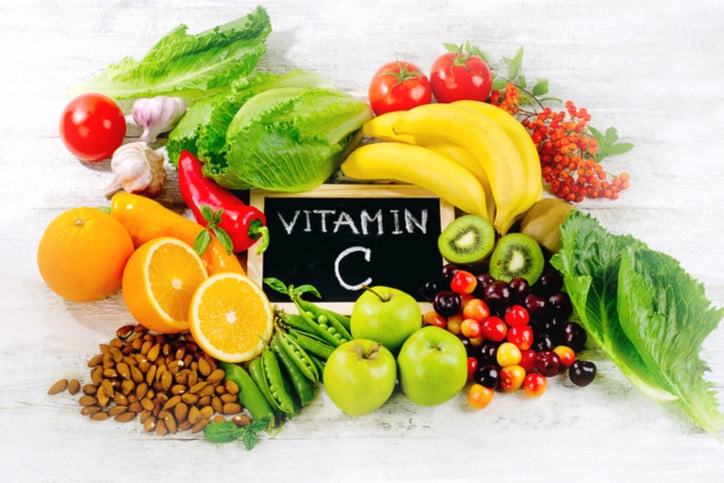
2. Vitamin C and Its Role in Blood Vessel Health
Vitamin C is a water-soluble vitamin with important antioxidant functions.
It also plays a major role in collagen production.
Collagen is an important structural protein found throughout the body, including connective tissues associated with blood vessels.
Vitamin C also helps protect cells from oxidative stress and supports normal immune function.
Because oxidative stress and inflammation are involved in atherosclerosis, researchers have investigated whether vitamin C might influence cardiovascular health.
Some observational research has linked higher dietary vitamin C intake with favorable cardiovascular outcomes.
But again, this doesn't mean that taking large doses of vitamin C will prevent clogged arteries.
Clinical evidence has not established high-dose vitamin C supplements as a reliable treatment for atherosclerosis.
Food is usually the best starting point
Excellent sources include:
-
Oranges
-
Guava
-
Kiwi
-
Strawberries
-
Bell peppers
-
Broccoli
-
Tomatoes
-
Citrus fruits
A diet rich in vegetables and fruits naturally provides vitamin C along with fiber, potassium, polyphenols, and many other beneficial compounds.
3. Vitamin E: An Antioxidant With a Complicated Story
Vitamin E is another nutrient with antioxidant properties.
Oxidative stress can contribute to damage within cells and is involved in several biological processes associated with cardiovascular disease.
This led researchers to investigate whether vitamin E supplements could reduce cardiovascular risk.
The results, however, have not supported the idea that routinely taking vitamin E supplements prevents cardiovascular disease in healthy people.
In fact, high-dose vitamin E supplementation can have potential risks, including an increased risk of bleeding in certain circumstances.
This is a good example of why “antioxidant” doesn't automatically mean “more is better.”
Getting vitamin E from food
Good sources include:
-
Almonds
-
Sunflower seeds
-
Hazelnuts
-
Peanuts
-
Vegetable oils
-
Avocado
-
Some green vegetables
Obtaining vitamin E through a varied diet is generally preferable to taking high-dose supplements unless a healthcare professional has recommended supplementation.
4. Vitamin K: Important for More Than Blood Clotting
Vitamin K has a well-established role in normal blood clotting.
But it also participates in processes involving bone and calcium regulation.
Because abnormal calcium deposition can occur in arteries, researchers have investigated whether vitamin K-related proteins could influence vascular calcification.
This is an active area of scientific research.
However, it would be misleading to conclude that eating more vitamin K will automatically “remove calcium from your arteries.”
The human evidence is still developing, and the effects of supplementation on cardiovascular outcomes remain an area of investigation.
Where can you get vitamin K?
Vitamin K is abundant in many leafy green vegetables, including:
-
Kale
-
Spinach
-
Collard greens
-
Broccoli
-
Lettuce
-
Other green vegetables
There is an important medication consideration.
People taking warfarin, a vitamin K antagonist used as an anticoagulant, need to keep their vitamin K intake relatively consistent and follow the instructions of their healthcare team.
They should not suddenly make major changes to vitamin K intake or start vitamin K supplements without discussing it with their clinician.
5. Folate: Important for Homocysteine Metabolism
Folate, also known as vitamin B9, is essential for DNA synthesis, cell division, and normal red blood cell production.
It also participates in the metabolism of homocysteine, an amino acid in the blood.
Elevated homocysteine levels have been associated with cardiovascular risk.
This led researchers to investigate whether folic acid and other B vitamins could reduce cardiovascular events by lowering homocysteine.
Although supplementation can lower homocysteine levels, clinical trials have generally not shown that simply lowering homocysteine with folic acid automatically translates into a major reduction in heart attacks or strokes for most people.
That distinction is important.
A nutrient can influence a biomarker without necessarily preventing disease.
Food sources of folate include:
-
Leafy green vegetables
-
Beans
-
Lentils
-
Asparagus
-
Avocado
-
Citrus fruits
-
Fortified grains and cereals
For most people, a varied diet can provide substantial amounts of folate.
6. Vitamin B12 and Cardiovascular Health
Vitamin B12 is another nutrient involved in homocysteine metabolism.
It is essential for:
-
Red blood cell formation
-
Normal nerve function
-
DNA synthesis
-
Cellular metabolism
A severe B12 deficiency can cause anemia and neurological problems.
Because B12 is involved in homocysteine metabolism, researchers have also examined whether correcting B12 deficiency or lowering homocysteine affects cardiovascular risk.
As with folate, simply lowering homocysteine with supplements hasn't consistently been shown to prevent cardiovascular events in the general population.
But correcting a genuine B12 deficiency is still important for overall health.
Who may be at risk of B12 deficiency?
Risk can be higher among:
-
Older adults
-
People following strict vegan diets without supplementation
-
People with certain gastrointestinal disorders
-
People who have undergone certain gastrointestinal surgeries
-
People taking some medications that interfere with B12 absorption
If deficiency is suspected, testing can help determine whether supplementation is necessary.
Vitamins Don't “Unclog” Arteries
This may be the most important message in the entire article.
You may see claims online that certain vitamins can:
“Clean your arteries.”
“Remove plaque.”
“Reverse clogged arteries.”
These phrases can be misleading.
Atherosclerotic plaque isn't simply a layer of dirt that can be washed away with a vitamin.
Plaque consists of cholesterol, inflammatory cells, connective tissue, calcium, and other substances within the arterial wall.
Its development is a complex biological process.
Managing atherosclerosis therefore requires addressing the underlying cardiovascular risk factors.
What Actually Drives Arterial Plaque?
Atherosclerosis develops over time.
Several factors can contribute, including:
High LDL cholesterol
Elevated LDL cholesterol is one of the most important modifiable risk factors for atherosclerotic cardiovascular disease.
High blood pressure
Persistent high blood pressure can damage artery walls and increase cardiovascular risk.
Smoking
Tobacco exposure significantly increases the risk of cardiovascular disease and damages blood vessels.
Diabetes
Persistently elevated blood glucose can damage blood vessels and increase atherosclerotic risk.
Excess body weight
Especially when associated with metabolic dysfunction, excess body weight can contribute to cardiovascular risk.