Regular movement supports cardiovascular and metabolic health.
Unhealthy dietary patterns
Diets high in saturated fats, sodium, added sugars, and highly processed foods can contribute to cardiovascular risk depending on the overall pattern.
Genetics and age
Some cardiovascular risk factors cannot be changed.
This is why a comprehensive approach is more important than focusing on one vitamin.
What About Antioxidants?
Antioxidants are frequently promoted as a way to protect arteries.
Vitamins C and E are well-known antioxidants, and many plant foods contain antioxidant compounds.
Oxidative stress is indeed involved in cardiovascular biology.
But the relationship between antioxidants and cardiovascular disease isn't as simple as:
more antioxidants = healthier arteries.
Large clinical trials of antioxidant supplements have generally not demonstrated the dramatic cardiovascular benefits once hoped for.
This is one reason nutrition researchers increasingly emphasize whole foods rather than isolated high-dose supplements.
Eating berries, vegetables, nuts, legumes, and whole grains gives you a complex mixture of vitamins, minerals, fiber, and plant compounds.
That is very different from taking one isolated antioxidant pill.
Why Food Sources May Be Better Than Supplements
Imagine two diets.
Diet A
A person takes several high-dose vitamin supplements but eats few vegetables, little fruit, and many highly processed foods.
Diet B
Another person eats a variety of vegetables, fruits, legumes, nuts, whole grains, and other minimally processed foods.
Even if both people consume similar amounts of a particular vitamin, their overall nutritional patterns are very different.
Whole foods provide:
-
Fiber
-
Vitamins
-
Minerals
-
Protein
-
Unsaturated fats
-
Polyphenols
-
Other bioactive compounds
These nutrients can interact in ways that aren't necessarily replicated by a single supplement.
That's why dietary quality matters more than chasing individual nutrients.
What About Vitamin Supplements?
Supplements can be useful.
They're particularly valuable when someone has a documented deficiency or has increased nutritional needs that are difficult to meet through food alone.
Examples can include certain cases of:
-
Vitamin B12 deficiency
-
Vitamin D deficiency
-
Folate deficiency
-
Malabsorption
-
Restricted diets
But supplements shouldn't automatically be considered cardiovascular insurance.
Taking more than you need can sometimes cause harm.
Fat-soluble vitamins—particularly vitamins A, D, E, and K—can accumulate in the body more readily than water-soluble vitamins.
That's another reason to avoid megadoses unless medically recommended.
Your Arteries Need More Than Vitamins
If the goal is long-term cardiovascular health, several lifestyle factors are generally much more important than adding another supplement.
Keep LDL Cholesterol Under Control
LDL cholesterol plays a central role in atherosclerosis.
Depending on your cardiovascular risk, your healthcare professional may recommend lifestyle changes, medication, or both.
Statins and other cholesterol-lowering medications have substantially stronger evidence for reducing cardiovascular events than vitamin supplements.
Keep Blood Pressure in a Healthy Range
High blood pressure often causes no obvious symptoms.
That makes regular blood-pressure checks particularly important.
Lifestyle strategies can include:
-
Regular physical activity
-
Maintaining a healthy weight
-
Limiting excessive sodium
-
Eating more vegetables and fruits
-
Managing stress
-
Avoiding tobacco
-
Taking prescribed medication when necessary
Don't Smoke
If there's one lifestyle factor that deserves special emphasis, it's tobacco.
Smoking damages blood vessels and significantly increases cardiovascular risk.
Quitting can substantially improve cardiovascular health.
Even people who have smoked for many years can benefit from stopping.
Move Your Body Regularly
Exercise helps support:
-
Blood pressure
-
Blood glucose regulation
-
Cholesterol levels
-
Body composition
-
Cardiovascular fitness
-
Overall metabolic health
You don't need an extreme exercise routine.
Walking, cycling, swimming, resistance training, and other activities can all contribute to a more active lifestyle.
Consistency matters.
Build a Heart-Healthy Diet
Instead of searching for one vitamin that “cleans arteries,” build meals around foods that naturally provide many nutrients.
For example:
Vegetables
Especially leafy greens and colorful vegetables.
Fruits
Whole fruits provide fiber and a range of vitamins and plant compounds.
Legumes
Beans, lentils, and peas provide fiber and plant protein.
Nuts and seeds
These provide unsaturated fats, fiber, and minerals.
Whole grains
They can contribute fiber and micronutrients.
Fish and other healthy protein sources
Depending on dietary preferences and individual needs.
The goal is a pattern, not a single superfood.
Signs That Your Cardiovascular Health Needs Attention
Atherosclerosis can develop silently.
You may not feel anything while plaque is building up.
However, certain symptoms can indicate cardiovascular disease and deserve medical evaluation.
These include:
-
Chest pressure or pain
-
Shortness of breath
-
Unexplained exercise intolerance
-
Pain or discomfort spreading to the arm, shoulder, back, neck, or jaw
-
Sudden weakness or numbness
-
Sudden difficulty speaking
-
Sudden vision changes
-
Leg pain during walking that improves with rest
Some symptoms—particularly sudden chest pain, severe shortness of breath, or signs of stroke—require emergency medical attention.
Can Vitamins Reverse Existing Plaque?
This is where expectations should be realistic.
There is no established vitamin regimen that reliably dissolves established atherosclerotic plaque.
Some treatments and lifestyle changes can slow disease progression and reduce cardiovascular risk, and in certain circumstances intensive cholesterol lowering can contribute to plaque stabilization or regression.
But this is very different from taking a vitamin and expecting arteries to become completely “clean.”
If you have known atherosclerosis, work with your healthcare professional to manage the underlying risk factors.
A Simple Way to Think About These Six Vitamins
Instead of thinking:
“Which vitamin will unclog my arteries?”
think:
“Am I getting enough essential nutrients while managing the major things that actually drive cardiovascular risk?”
That changes the focus from a quick fix to long-term prevention.
Vitamin D supports many functions throughout the body.
Vitamin C contributes to collagen formation and antioxidant defenses.
Vitamin E provides antioxidant activity.
Vitamin K participates in blood clotting and calcium-regulating pathways.
Folate and vitamin B12 support cell metabolism and help process homocysteine.
All six are important nutrients.
But none should be treated as a magic solution for atherosclerosis.
Final Takeaway
Vitamins are essential for keeping the body functioning properly, and several - including vitamins D, C, E, K, folate, and B12 have biological roles that are relevant to cardiovascular and vascular health.
Research continues to investigate how these nutrients relate to arterial function, inflammation, oxidative stress, vascular calcification, and cardiovascular disease.
But there's an important distinction between supporting normal body function and treating blocked arteries.
Vitamins do not simply scrub plaque from blood vessels, and high-dose supplements are not a substitute for proven cardiovascular prevention and treatment.
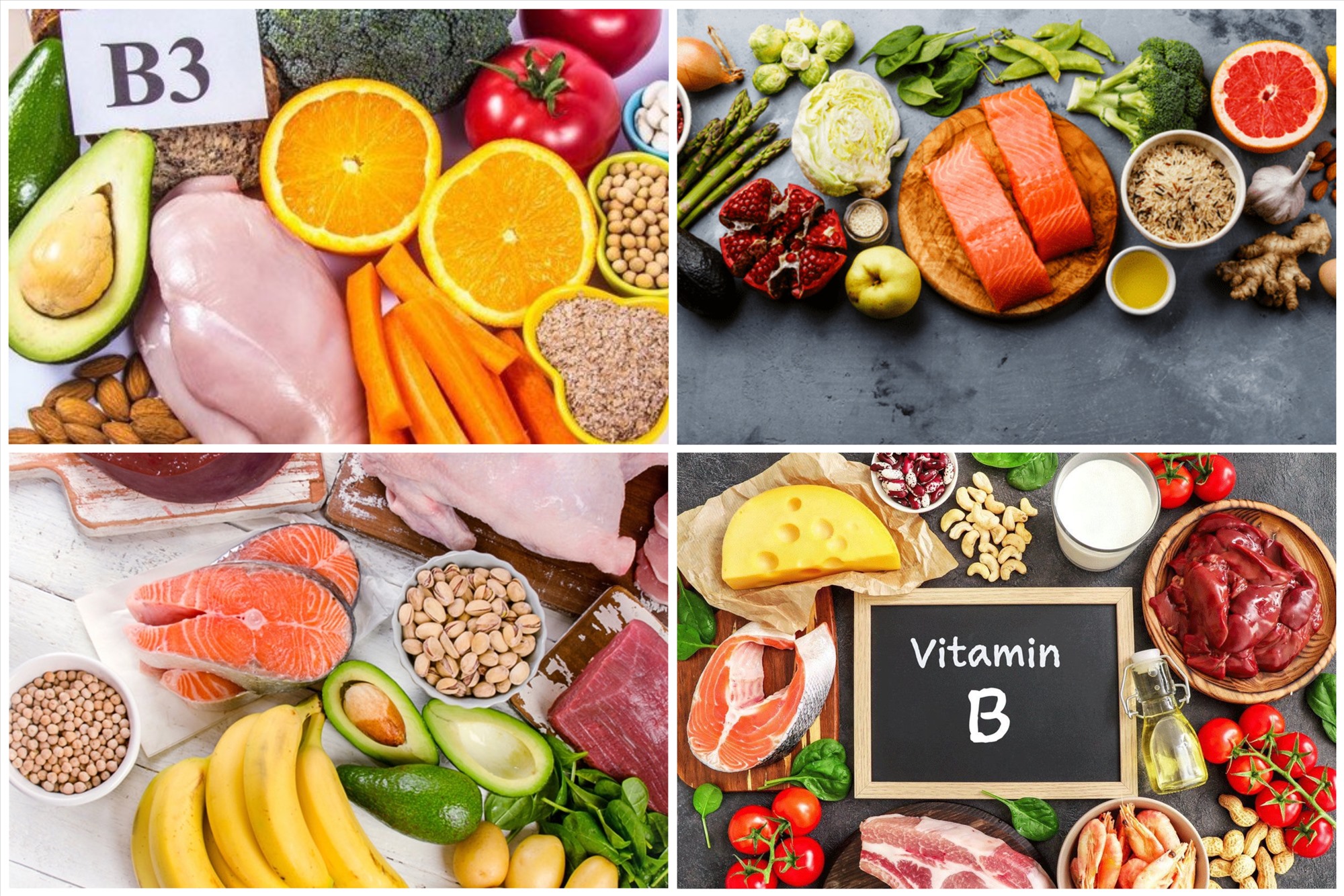
For most people, the best strategy is to obtain nutrients primarily from a varied diet rich in vegetables, fruits, legumes, whole grains, nuts, seeds, and other minimally processed foods, while also keeping an eye on the factors that have a much stronger relationship with atherosclerosis—LDL cholesterol, blood pressure, blood glucose, smoking, physical activity, body weight, and overall diet.
If you have a vitamin deficiency, supplementation may be appropriate. But taking more than your body needs isn't necessarily better.
Healthy arteries aren't built by one miracle vitamin. They're supported by thousands of everyday choices—what you eat, how much you move, whether you smoke, how well your blood pressure and cholesterol are controlled, and whether you get the medical care you need.