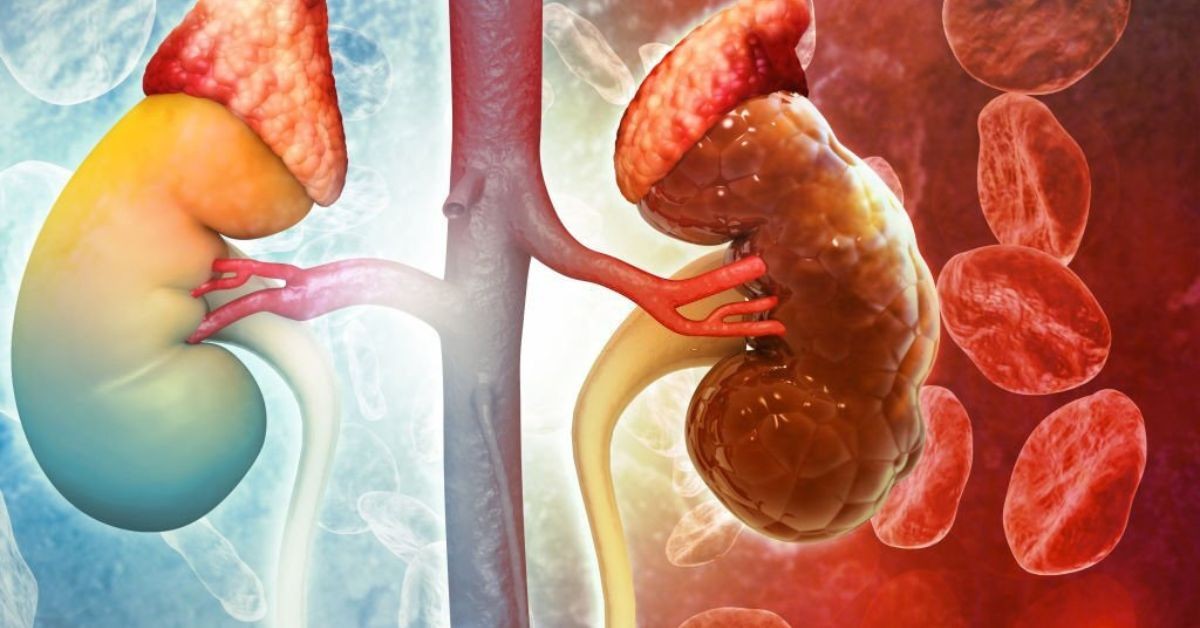
Your kidneys are remarkable organs that quietly perform essential tasks every minute of every day. They filter waste products from your blood, regulate fluid balance, maintain healthy levels of electrolytes, help control blood pressure, support red blood cell production, and contribute to strong bone health.
Because the kidneys are so efficient, kidney disease often develops gradually, and many people experience few or no symptoms during the early stages. As kidney function declines, however, the body may begin to show warning signs that should never be ignored.
It's important to remember that these symptoms can have many different causes, and experiencing one or more does not necessarily mean you have kidney disease. However, if they are persistent, worsening, or occur together, they deserve prompt medical evaluation.
Here are 8 possible symptoms that may be linked to kidney disease.
1. Persistent Fatigue or Low Energy
Feeling tired after a busy day is normal. However, ongoing fatigue that doesn't improve with rest may sometimes be associated with declining kidney function.
Healthy kidneys produce a hormone called erythropoietin (EPO), which signals the bone marrow to make red blood cells. When the kidneys are damaged, they may produce less EPO, leading to anemia—a condition in which the body has fewer healthy red blood cells to carry oxygen.
Symptoms of anemia may include:
-
Constant tiredness
-
Weakness
-
Difficulty concentrating
-
Reduced exercise tolerance
-
Shortness of breath during activity
Fatigue has many possible causes, so medical evaluation is important.
2. Swelling in the Feet, Ankles, or Legs
The kidneys help regulate the body's fluid balance.
When they are not working properly, excess fluid and sodium may accumulate, causing swelling, particularly in the:
-
Feet
-
Ankles
-
Lower legs
This swelling, known as edema, may become more noticeable toward the end of the day or after standing for long periods.
Edema can also result from heart disease, liver disease, or problems with the veins, so it should always be assessed by a healthcare professional.
3. Changes in Urination
Changes in bathroom habits are among the most common signs of kidney problems.
Possible changes include:
-
Urinating more often, especially at night
-
Urinating less than usual
-
Foamy or bubbly urine
-
Dark-colored urine
-
Blood in the urine
-
Difficulty urinating
Foamy urine may indicate excess protein in the urine, while blood in the urine should always be evaluated promptly.
4. Persistent Puffiness Around the Eyes
Swelling around the eyes, particularly after waking up, may occur for many reasons, including allergies or lack of sleep.
However, persistent puffiness can sometimes indicate protein leaking into the urine, which may occur in certain kidney disorders.
When the kidneys are unable to retain important proteins effectively, some protein may pass into the urine instead of remaining in the bloodstream.
5. Dry, Itchy Skin
Healthy kidneys help maintain the proper balance of minerals and nutrients in the blood.
As kidney function declines, imbalances may develop that contribute to:
-
Dry skin
-
Persistent itching
-
Skin irritation
While dry skin is common and often caused by environmental factors, widespread itching that persists without an obvious explanation may warrant medical attention.
6. Muscle Cramps
Occasional muscle cramps are common.
However, frequent or severe cramps may sometimes be related to imbalances in electrolytes such as:
-
Calcium
-
Potassium
-
Sodium
-
Magnesium
The kidneys play a major role in regulating these minerals.
Electrolyte imbalances can occur for many reasons, including dehydration, medications, or kidney disease.
7. High Blood Pressure
The relationship between high blood pressure and kidney disease works both ways.
High blood pressure can damage the kidneys over time.
At the same time, damaged kidneys may contribute to rising blood pressure because they play an important role in regulating blood pressure.
Regular blood pressure monitoring is one of the simplest ways to protect kidney health.
8. Loss of Appetite, Nausea, or a Metallic Taste
As kidney function declines significantly, waste products that are normally filtered from the blood may begin to accumulate.
This buildup can contribute to symptoms such as:
-
Poor appetite
-
Nausea
-
Vomiting
-
A metallic taste in the mouth
-
Bad breath
-
Unintentional weight loss
These symptoms are more common in advanced kidney disease but can occur in many other medical conditions as well.
Who Is Most at Risk for Kidney Disease?
Some people have a higher chance of developing chronic kidney disease.
Major risk factors include:
-
Diabetes
-
High blood pressure
-
Heart disease
-
Obesity
-
Smoking
-
Older age
-
Family history of kidney disease
-
Recurrent kidney infections
-
Autoimmune diseases affecting the kidneys
If you have one or more of these risk factors, regular kidney screening may be recommended by your healthcare provider.
How Doctors Check Kidney Health
Kidney disease is often detected through simple tests.
Common evaluations include:
Blood Tests
A blood test can measure creatinine and estimate the glomerular filtration rate (eGFR), an important indicator of kidney function.
Urine Tests
Urine testing can detect:
-
Protein
-
Blood
-
Signs of infection
-
Other abnormalities
Blood Pressure Measurement
High blood pressure is both a cause and a consequence of kidney disease.
Imaging Studies
In some cases, ultrasound or other imaging tests may be used to examine the kidneys.
Healthy Habits That Support Kidney Function
While not all kidney disease can be prevented, many healthy lifestyle habits may help reduce the risk.
Stay hydrated
Drink enough water throughout the day unless your healthcare provider recommends otherwise.
Control blood pressure
Follow treatment recommendations and monitor your blood pressure regularly.
Manage blood sugar
Good diabetes management helps protect the kidneys.
Eat a balanced diet
Focus on:
-
Vegetables
-
Fruits
-
Whole grains
-
Lean proteins
-
Healthy fats
Limit excessive sodium, added sugars, and highly processed foods.
Stay physically active
Aim for at least 150 minutes of moderate exercise each week.
Avoid smoking
Smoking damages blood vessels throughout the body, including those that supply the kidneys.
Use medications responsibly
Some pain relievers, particularly nonsteroidal anti-inflammatory drugs (NSAIDs), may affect kidney function if used frequently or in high doses.
When Should You See a Doctor?
Schedule a medical evaluation if you experience:
-
Blood in the urine
-
Persistent swelling
-
Ongoing fatigue
-
Frequent changes in urination
-
High blood pressure that is difficult to control
-
Persistent nausea
-
Unexplained weight loss
-
Severe or worsening symptoms
Early diagnosis allows many kidney conditions to be treated or managed before significant damage occurs.
The Bottom Line
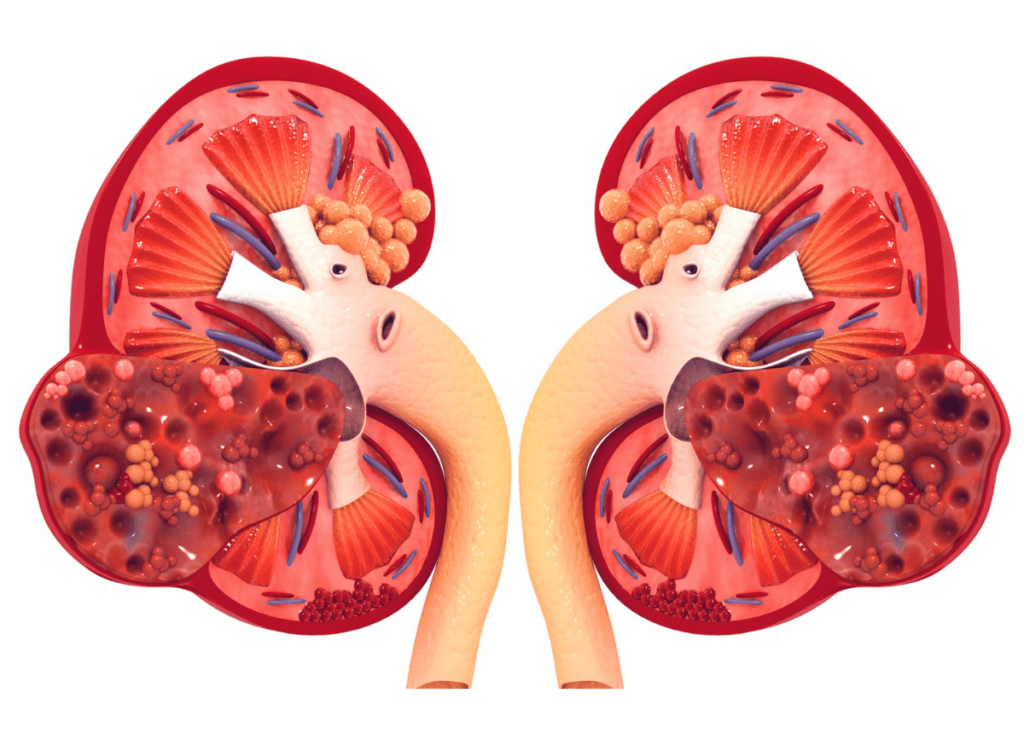
Kidney disease often develops quietly, making it easy to overlook early warning signs. Persistent fatigue, swelling, changes in urination, puffiness around the eyes, dry itchy skin, muscle cramps, high blood pressure, and loss of appetite may all be linked to kidney problems, although each symptom can have many possible causes.
The most important step is not to self-diagnose but to pay attention to your body and seek medical advice if symptoms persist or worsen. Simple blood and urine tests can often detect kidney disease in its early stages, when treatment is most effective.
By maintaining healthy lifestyle habits, managing conditions such as diabetes and high blood pressure, and attending routine medical checkups, you can help protect your kidneys and support your long-term health.