7 Warning Signs of High Blood Sugar That May Become More Noticeable at Night
High blood sugar—known medically as hyperglycemia—can develop gradually, and some people experience few obvious symptoms at first. When symptoms do appear, they can sometimes become especially noticeable at night, when you're trying to sleep and distractions are minimal.
You might find yourself getting up repeatedly to urinate, reaching for water because your mouth feels unusually dry, waking drenched in sweat, or noticing uncomfortable sensations in your feet.
These symptoms don't automatically mean you have diabetes. Many other conditions can cause them. But when several occur together or keep returning, checking your blood glucose and speaking with a healthcare professional may be worthwhile.
Here are seven nighttime symptoms worth knowing.
1. Waking Up Frequently to Urinate
One of the classic symptoms associated with significantly elevated blood glucose is frequent urination, medically called polyuria.
When blood glucose rises beyond what the kidneys can effectively reabsorb, glucose may spill into the urine. The glucose draws additional water with it, potentially increasing urine production.
That means you may suddenly find yourself:
• Urinating more frequently
• Producing larger amounts of urine
• Getting out of bed several times during the night
Waking once occasionally isn't necessarily unusual, particularly if you've consumed a lot of fluid before bedtime.
But if you've gone from sleeping through the night to making multiple bathroom trips almost every night, the change deserves attention.
Frequent nighttime urination can also result from urinary conditions, certain medications, sleep apnea, prostate enlargement, pregnancy, and other causes.
So don't diagnose diabetes based on this symptom alone.
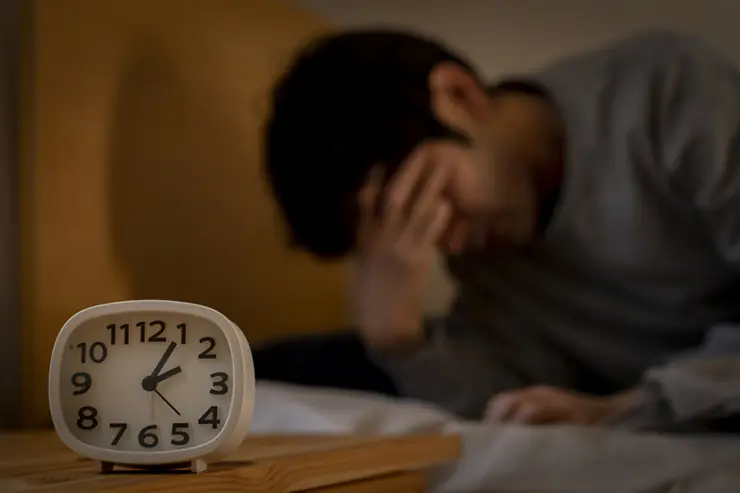
📸 IMAGE 1 – Suggested placement
Illustration of a person waking during the night and walking toward the bathroom, with a bedside clock visible.
2. Feeling Extremely Thirsty During the Night
Frequent urination and excessive thirst often appear together.
As your body loses more fluid through urine, dehydration can trigger stronger thirst signals.
This excessive thirst is known as polydipsia.
Someone experiencing hyperglycemia may drink water before bed, wake up thirsty several hours later, drink again, and still feel unusually thirsty the following morning.
You might also notice:
Dry mouth, sticky saliva, cracked lips, or an unusually strong desire for cold water.
Of course, thirst has many other explanations.
A hot bedroom, salty foods, alcohol, exercise, dehydration, and certain medications can all make you thirsty.
The potential warning sign is persistent excessive thirst that seems disproportionate to your activity or environment, especially when accompanied by frequent urination.
3. Waking With a Very Dry Mouth
Your mouth naturally becomes somewhat drier while you're asleep because saliva production decreases.
But persistent or unusually severe dry mouth at night can sometimes accompany dehydration associated with elevated blood sugar.
Some people describe waking with their mouth feeling almost completely dry.
However, there's another major explanation worth considering:
Mouth breathing.
Nasal congestion, snoring, sleep apnea, medications, and sleeping with your mouth open can all produce nighttime dryness.
That's why dry mouth alone tells us very little.
But when it occurs alongside intense thirst and frequent urination, the overall pattern becomes more meaningful.
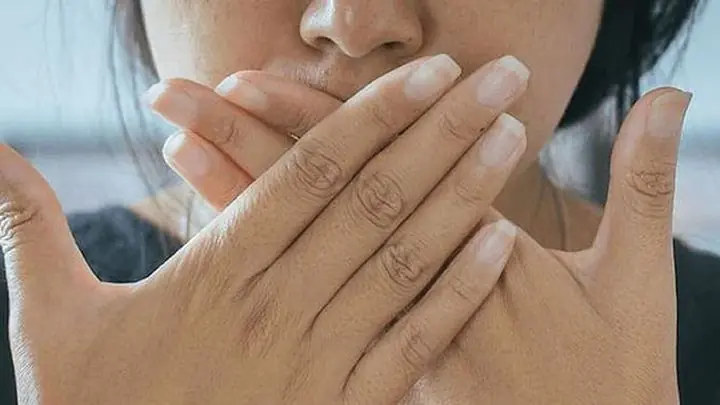
📸 IMAGE 2 – Suggested placement
Person waking at night with a dry mouth and reaching for a glass of water beside the bed.
4. Tingling, Burning, or Numbness in the Feet
Here's one symptom that deserves particular attention.
Persistently elevated blood glucose over time can damage peripheral nerves, resulting in diabetic peripheral neuropathy.
Symptoms frequently begin in the feet and may include:
Tingling, burning, numbness, pins-and-needles sensations, unusual sensitivity, or pain.
Some people notice these sensations more intensely at night.
That's partly because there are fewer distractions while lying quietly in bed, making nerve discomfort more noticeable.
Neuropathy generally develops after prolonged metabolic problems rather than appearing simply because your glucose was high after one meal.
And diabetes isn't the only possible cause.
Vitamin deficiencies, nerve compression, alcohol-related nerve damage, certain medications, circulation problems, and other neurological conditions can produce similar symptoms.
Persistent numbness or burning in your feet should therefore be evaluated rather than self-diagnosed.
📸 IMAGE 3 – Suggested placement
Medical illustration showing peripheral nerves in the foot with glowing areas representing burning or tingling sensations.
5. Restless or Uncomfortable Sleep
High blood sugar can indirectly interfere with sleep.
Think about what happens if you're repeatedly waking because you're thirsty or need to urinate.
Even if each awakening lasts only a few minutes, your sleep becomes fragmented.
That may leave you feeling:
• Exhausted the following morning
• Irritable
• Mentally foggy
• Less able to concentrate
• Sleepy during the day
Poor sleep and glucose regulation can also influence each other in complicated ways.
But poor sleep by itself certainly doesn't mean your glucose is high.
Insomnia, stress, anxiety, caffeine, alcohol, pain, sleep apnea, environmental factors, and countless other issues can disrupt sleep.
Look at the whole pattern, not one symptom.
6. Night Sweats
This one needs an important clarification.
Night sweating is often included in social-media lists about blood sugar, but sweating during the night is more classically associated with low blood glucose (hypoglycemia), particularly in people taking insulin or certain diabetes medications, rather than being a reliable standalone sign of high blood sugar.
Low blood glucose during sleep may cause:
Sweating, nightmares, restless sleep, shakiness, rapid heartbeat, or waking confused or unusually tired.
Night sweats can also have completely unrelated causes, including a warm bedroom, infections, hormonal changes, medications, alcohol, and other medical conditions.
If you already have diabetes and repeatedly wake drenched in sweat—particularly while using glucose-lowering medications—discuss the episodes with your healthcare professional.
Medication-related nighttime hypoglycemia can be dangerous.
📸 IMAGE 4 – Suggested placement
Person waking during the night with sweating and discomfort, with a glucose meter visible nearby.
7. Blurred Vision or Headaches When You Wake Up
Changes in blood glucose can sometimes temporarily affect vision.
When glucose levels become substantially elevated, changes in fluid balance can affect structures within the eye, potentially resulting in temporary blurred vision.
Some people with significant hyperglycemia may also experience headaches, fatigue, or difficulty concentrating.
However, waking with blurry vision or a headache has many possible explanations.
Dry eyes, dehydration, migraines, medication effects, blood pressure changes, and sleep apnea are just a few examples.
Persistent vision changes—especially sudden or severe changes—should receive medical attention.
And people with diabetes should have appropriate eye examinations because long-term elevated glucose can damage blood vessels in the retina, a complication known as diabetic retinopathy.
📸 IMAGE 5 – Suggested placement
Medical illustration comparing normal vision with blurred vision, alongside a blood glucose meter.
Why Might High Blood Sugar Become Noticeable at Night?
It's important to clarify something about the headline:
There aren't necessarily seven unique symptoms that occur only at night.
Rather, several symptoms associated with abnormal glucose levels can become more noticeable when you're trying to sleep.
There's also a normal hormonal phenomenon known as the dawn phenomenon.
During the early morning hours, hormones such as cortisol and growth hormone help prepare the body to wake up. These hormonal changes can signal the liver to release glucose.
For people with diabetes, the body may have difficulty compensating for that glucose release, causing blood sugar to rise toward morning.
That's one reason some people discover that their fasting morning glucose is higher than expected.
Other Classic Signs of High Blood Sugar
Symptoms don't necessarily wait until nighttime.
Persistent hyperglycemia may also cause:
Increased thirst, frequent urination, increased hunger, fatigue, blurred vision, recurrent infections, and wounds that heal slowly.
Unexplained weight loss can occur when insulin deficiency becomes significant, particularly in undiagnosed type 1 diabetes and sometimes advanced type 2 diabetes.
But there's another important reality:
Prediabetes and early type 2 diabetes often cause no obvious symptoms at all.
You can feel completely normal and still have abnormal glucose levels.
That's why relying exclusively on symptoms isn't a reliable screening strategy.
How Can You Know If Your Blood Sugar Is Actually High?
You test it.
Healthcare professionals can use several tests to evaluate glucose regulation.
One of the most common is HbA1c, which provides an estimate of average blood glucose over roughly the previous two to three months.
A fasting plasma glucose test may also be used.
Depending on the circumstances, doctors may recommend an oral glucose tolerance test or other measurements.
A home glucose meter can provide useful individual readings, particularly for people who already have diabetes, but formal diagnosis should be made using appropriate clinical testing.
Who Should Be Especially Aware of Their Risk?
The risk of type 2 diabetes increases with several factors, including family history, overweight or obesity, physical inactivity, increasing age, previous gestational diabetes, and certain metabolic conditions.
High blood pressure and abnormal cholesterol levels can also cluster with insulin resistance and diabetes.
Having risk factors doesn't mean you're destined to develop the condition.
It simply means screening may be particularly important.
When High Blood Sugar Becomes an Emergency
Very high glucose can occasionally lead to dangerous acute complications.
Seek urgent medical attention if severe hyperglycemia is accompanied by symptoms such as persistent vomiting, severe dehydration, abdominal pain, rapid or deep breathing, fruity-smelling breath, extreme weakness, confusion, or loss of consciousness.
These symptoms can occur with serious metabolic emergencies such as diabetic ketoacidosis (DKA) or hyperosmolar hyperglycemic state.
They require immediate medical treatment.
The Bottom Line
If you're repeatedly waking at night because of frequent urination, extreme thirst, severe dry mouth, tingling or burning feet, disrupted sleep, unusual sweating, or other persistent symptoms, don't immediately assume diabetes—but don't dismiss the pattern either.
And remember that night sweats can sometimes point toward low blood sugar rather than high blood sugar, particularly in people taking diabetes medications.
The biggest takeaway is simple:
You cannot reliably determine your blood sugar level based on how you feel.
Prediabetes and type 2 diabetes can remain silent for years.
If these symptoms keep occurring—especially if you have diabetes risk factors—consider discussing fasting glucose and HbA1c testing with a healthcare professional.
A simple blood test can tell you far more than trying to decode symptoms in the middle of the night.