The liver is one of the body's most important organs. It performs hundreds of essential functions, including filtering toxins, processing nutrients, producing proteins, regulating metabolism, and supporting digestion. Because the liver is involved in so many bodily processes, changes in liver health can sometimes affect other parts of the body—including the skin, nails, and hands.
While hand changes alone cannot diagnose liver disease, healthcare professionals sometimes consider them alongside symptoms, medical history, and laboratory testing when evaluating liver health.
Understanding these potential signs can help raise awareness of when it may be appropriate to seek medical advice, particularly if multiple symptoms occur together.

Why Liver Health Matters
The liver performs more than 500 known functions.
Some of Its Key Roles Include
-
Processing nutrients
-
Producing bile
-
Storing vitamins
-
Regulating blood sugar
-
Removing waste products
-
Metabolizing medications
When liver function becomes impaired, various physical changes may occur throughout the body.
Can the Hands Reflect Internal Health?
Sometimes.
The hands contain blood vessels, nerves, skin, connective tissue, and nails that can reflect broader changes in health.
However
No hand sign should be viewed as proof of liver disease.
Many of these findings can also occur in people without liver problems.
Proper diagnosis always requires professional medical evaluation.
Sign #1: Palmar Erythema (Redness of the Palms)
One of the most commonly discussed hand findings associated with liver disease is palmar erythema.
What Is Palmar Erythema?
Palmar erythema refers to redness that appears on the palms of the hands.
It Often Appears
-
Along the base of the thumb
-
Along the base of the little finger
-
Across portions of the palm
The redness may affect one or both hands.
Why Can It Occur?
Researchers believe changes in blood vessel regulation may contribute.
Important Note
Palmar erythema does not automatically indicate liver disease.
It may also occur during:
-
Pregnancy
-
Certain autoimmune conditions
-
Hormonal changes
-
Normal variation
When to Seek Medical Advice
If redness develops suddenly or occurs alongside other symptoms, a healthcare professional can help determine the cause.
Sign #2: Finger Clubbing
Finger clubbing refers to changes in the shape of the fingertips and nails.
Characteristics May Include
-
Rounded fingertips
-
Enlarged nail beds
-
Nails curving downward
These changes usually develop gradually.
Is Clubbing Specific to Liver Disease?
No.
Clubbing can occur with a variety of medical conditions involving:
-
Lungs
-
Heart
-
Digestive system
-
Liver
Why It Matters
Persistent changes in nail shape deserve medical attention regardless of the cause.
Sign #3: Terry's Nails
Healthcare professionals sometimes observe nail changes when evaluating overall health.
One example is Terry's nails.
What Are Terry's Nails?
This condition causes most of the nail to appear pale or white.
Often Accompanied By
-
Reduced pink coloration
-
A narrow darker band near the tip
Conditions Associated With Terry's Nails
Terry's nails have been observed in individuals with:
-
Liver disease
-
Diabetes
-
Heart failure
-
Aging-related changes
Again, this finding alone cannot diagnose any condition.
Other Symptoms That May Be Associated With Liver Problems
Hand changes are only one small piece of the picture.
More Common Liver-Related Symptoms May Include
-
Fatigue
-
Loss of appetite
-
Nausea
-
Unexplained weight loss
-
Abdominal swelling
-
Easy bruising
-
Yellowing of the skin or eyes
These symptoms should never be ignored.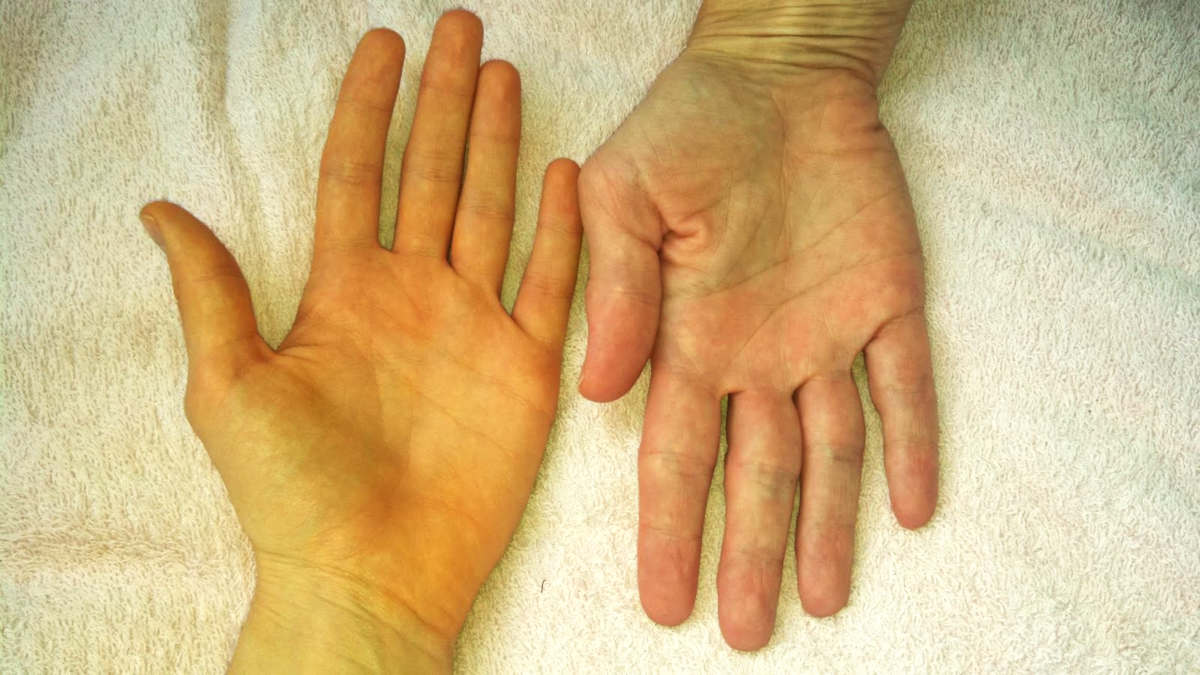
Understanding Jaundice
One of the best-known signs of liver dysfunction is jaundice.
Jaundice Causes
-
Yellowing of the skin
-
Yellowing of the whites of the eyes
This occurs when bilirubin accumulates in the body.
Jaundice Requires Medical Evaluation
Prompt assessment is important.
Common Causes of Liver Disease
Many different conditions can affect the liver.
Examples Include
-
Viral hepatitis
-
Fatty liver disease
-
Alcohol-related liver disease
-
Autoimmune liver conditions
-
Genetic disorders
Early detection may improve outcomes.
Non-Alcoholic Fatty Liver Disease
One of the most common liver conditions worldwide is non-alcoholic fatty liver disease (NAFLD).
Risk Factors Include
-
Obesity
-
Type 2 diabetes
-
High cholesterol
-
Metabolic syndrome
Many individuals experience few symptoms during the early stages.
Alcohol-Related Liver Disease
Excessive alcohol consumption can damage liver tissue over time.
Potential Consequences Include
-
Fat accumulation
-
Inflammation
-
Scarring
Reducing alcohol intake can help protect liver health.
The Importance of Routine Health Screenings
Many liver conditions develop gradually.
Regular Checkups May Include
-
Blood tests
-
Liver function tests
-
Physical examinations
-
Imaging studies when necessary
Early identification often provides more treatment options.
How to Support Liver Health
Although not all liver conditions can be prevented, certain lifestyle habits support overall liver function.
Maintain a Healthy Weight
Excess body fat can contribute to fatty liver disease.
Healthy Weight Management Often Involves
-
Balanced nutrition
-
Physical activity
-
Long-term lifestyle changes
Eat a Nutrient-Rich Diet
Focus on foods such as:
Fruits
-
Oranges
-
Apples
-
Berries
Vegetables
-
Leafy greens
-
Broccoli
-
Carrots
Other Healthy Choices
-
Whole grains
-
Legumes
-
Lean proteins
Stay Physically Active
Regular movement supports:
-
Metabolic health
-
Weight management
-
Cardiovascular function
Physical activity benefits many aspects of health.
Limit Excessive Alcohol Consumption
Alcohol can place stress on the liver.
Moderation is important.
Use Medications Responsibly
Some medications may affect liver function when used improperly.
Always Follow
-
Prescribing instructions
-
Healthcare provider guidance
Common Myths About Liver Disease
Myth 1: Liver Disease Always Causes Pain
Many liver conditions cause few symptoms initially.
Myth 2: Only Heavy Drinkers Develop Liver Disease
Many non-alcohol-related liver conditions exist.
Myth 3: Hand Signs Alone Can Diagnose Liver Problems
They cannot.
Diagnosis requires medical evaluation.
Myth 4: If You Feel Fine, Your Liver Must Be Healthy
Some liver diseases remain silent for years.
When Should You See a Doctor?
Consider medical evaluation if you experience:
Persistent Symptoms Such As
-
Unexplained fatigue
-
Yellowing skin
-
Abdominal swelling
-
Easy bruising
-
Significant nail or skin changes
Professional assessment is the best way to determine the cause.
The Bigger Picture
The hands can occasionally provide clues about overall health, but they are only one part of a much larger clinical picture. Changes such as palmar erythema, finger clubbing, and Terry's nails may be associated with liver disease in some cases, but they can also occur for many other reasons.
Paying attention to new or persistent changes and discussing them with a healthcare professional is often the safest approach.
Final Thoughts
Your hands may occasionally reflect changes occurring elsewhere in the body, including potential liver-related conditions. Red palms, finger clubbing, and certain nail changes are among the signs that healthcare professionals sometimes consider when evaluating liver health. However, these findings are not diagnostic on their own and should always be interpreted within the context of a complete medical assessment.
The best way to protect liver health remains maintaining healthy lifestyle habits, attending regular medical checkups, and seeking professional advice when unusual symptoms arise. Early awareness and timely evaluation can make an important difference in long-term health outcomes.