Cracked Heels Are Not Always Caused by Dry Skin: Be Aware of These Hidden Conditions
Cracked heels are a very common foot problem that affects people of all ages. Many assume that the issue is simply caused by dry skin, lack of moisture, or walking barefoot. While dryness is indeed a frequent cause, cracked heels can sometimes signal underlying health or lifestyle issues that deserve attention.
The skin on the heels naturally becomes thicker than other areas of the body because it supports body weight and absorbs pressure while walking or standing. When this skin becomes excessively dry, loses elasticity, or experiences repeated pressure, cracks may begin to form. In mild cases, these cracks may only affect the outer skin layer. However, deeper cracks can become painful and even lead to infection.
Understanding the different reasons behind cracked heels can help people treat the problem more effectively and prevent it from recurring.


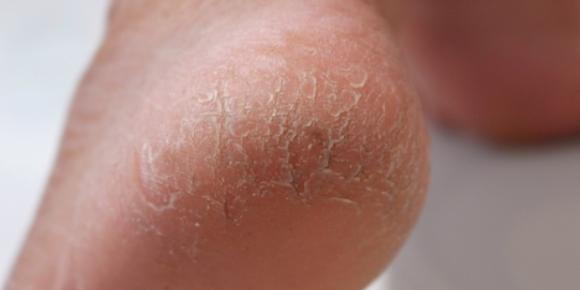
1. Severe Skin Dryness (Xerosis)
The most common reason for cracked heels is xerosis, a condition characterized by extremely dry skin. When the skin loses moisture, it becomes rough, thick, and less flexible. As pressure is applied to the heel during walking, the rigid skin may begin to split.
Several factors can contribute to severe dryness:
-
Cold or dry climates
-
Frequent hot showers
-
Harsh soaps or detergents
-
Aging skin
-
Lack of proper foot care
When dryness is the primary cause, regular moisturizing, gentle exfoliation, and wearing supportive footwear may help restore skin health.
2. Prolonged Standing or Excess Pressure
People who spend long hours standing, especially on hard surfaces, may experience increased pressure on the heels. This pressure causes the fat pad beneath the heel to expand sideways, stretching the skin. If the skin lacks elasticity due to dryness or thickening, cracks can develop.
Occupations that may increase this risk include:
-
Healthcare workers
-
Retail employees
-
Teachers
-
Factory workers
Wearing cushioned shoes and supportive insoles may help reduce pressure on the heels.


3. Skin Conditions
Certain skin disorders can also cause cracked heels. These conditions may affect how the skin regenerates and maintains moisture.
Examples include:
Eczema – Causes inflammation, dryness, and itching.
Psoriasis – Leads to thick, scaly patches that may crack easily.
Athlete’s foot (fungal infection) – Can cause peeling, dryness, and fissures on the feet.
When cracked heels are caused by skin conditions, additional symptoms such as redness, itching, or scaling may appear.
Medical treatment may be required to control the underlying skin disorder.
4. Nutritional Deficiencies
Healthy skin requires adequate vitamins and minerals to maintain its structure and elasticity. Deficiencies in certain nutrients may contribute to skin dryness and cracking.
Important nutrients for skin health include:
-
Vitamin A – Supports skin cell regeneration
-
Vitamin E – Protects skin from damage
-
Omega-3 fatty acids – Maintain skin hydration
-
Zinc – Helps with wound healing
A balanced diet containing fruits, vegetables, nuts, seeds, and healthy fats may support healthier skin and reduce the risk of cracking.


5. Certain Health Conditions
In some cases, cracked heels may be associated with underlying health conditions that affect circulation, metabolism, or skin integrity.
Examples include:
Diabetes
People with diabetes may experience dry skin and nerve damage in the feet, increasing the risk of cracks and infections.
Thyroid disorders
Hormonal imbalances can affect skin moisture levels.
Obesity
Excess body weight places greater pressure on the heels, making cracks more likely.
Because these conditions may affect healing, proper medical care is important if cracked heels become deep or painful.
6. Improper Footwear
Footwear plays a significant role in foot health. Shoes that do not properly support the heel can cause the skin to spread outward, leading to cracks.
Common footwear issues include:
-
Open-back sandals
-
Shoes with thin soles
-
Poorly fitting footwear
Choosing supportive shoes with cushioned soles and heel support can help reduce stress on the skin.


How to Care for Cracked Heels
Preventing and treating cracked heels usually involves improving skin hydration and reducing pressure on the feet.
Helpful tips include:
Moisturize daily
Use thick foot creams containing urea, glycerin, or natural oils.
Exfoliate gently
Removing thick dead skin may help moisturizers penetrate more effectively.
Wear supportive shoes
Closed shoes with cushioning protect the heel from pressure.
Stay hydrated
Drinking enough water supports overall skin health.
Maintain proper hygiene
Keeping feet clean and dry reduces the risk of infection.
When to Seek Medical Advice
Although mild cracked heels can often be treated at home, certain symptoms require medical attention.
Consult a healthcare professional if:
-
Cracks become deep or painful
-
Bleeding occurs
-
Signs of infection appear (redness, swelling, warmth)
-
Cracks do not improve after several weeks of care
Early treatment can prevent complications and promote faster healing.
Final Thoughts
Cracked heels may seem like a minor cosmetic issue, but they can sometimes indicate broader health or lifestyle factors. While dryness remains the most common cause, other issues such as pressure, skin conditions, nutrition, and underlying medical problems may also play a role.
Taking proper care of the feet through hydration, supportive footwear, and a healthy lifestyle can help maintain smooth, healthy skin.
Paying attention to these small signals from the body can prevent discomfort and keep your feet strong, healthy, and ready to carry you through daily life.