Starting the day with a glass of water is a simple habit that many people swear by. After several hours of sleep without drinking anything, it makes sense that your body may benefit from replacing some of the fluid it has lost.
But what actually happens when you drink water on an empty stomach?
You may have heard claims that drinking water before breakfast can "flush out toxins," dramatically boost metabolism, improve digestion, or even transform your health overnight. Some of these claims are exaggerated. Still, drinking water in the morning can be a useful habit because hydration plays an important role in many normal body functions.
The key is to understand what water can and cannot do.
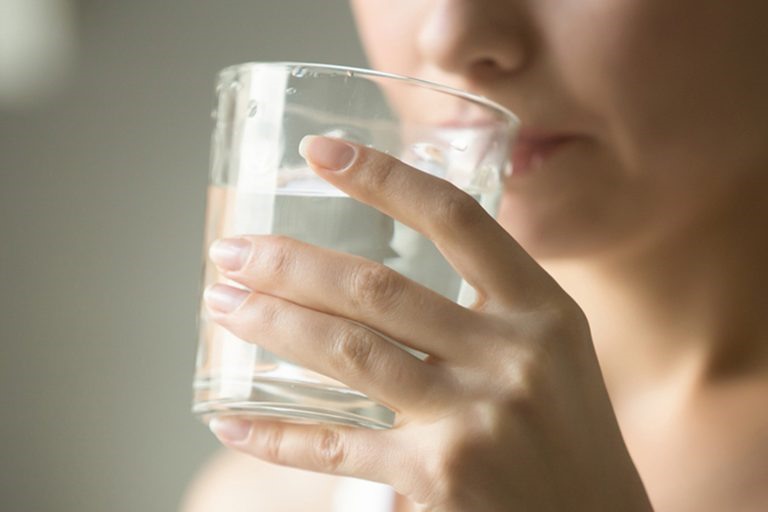
Why You May Feel Thirsty in the Morning
While you're sleeping, you're not drinking fluids for several hours.
At the same time, your body continues to lose water through breathing, sweating, and urination. The amount varies from person to person and can be influenced by factors such as room temperature, physical activity the previous day, alcohol consumption, illness, and medications.
As a result, some people wake up feeling thirsty or with a dry mouth.
Drinking water after waking can help replenish fluids and is an easy way to begin the day hydrated.
You don't necessarily need to drink a huge amount.
A normal glass of water may be enough to get started.
1. It Helps Rehydrate Your Body
The most obvious benefit of drinking water on an empty stomach is also the most important:
It provides fluid.
Water is essential for numerous physiological processes. Your blood contains a large amount of water, cells need water to function properly, and your body relies on adequate hydration to regulate temperature and support normal organ function.
When you're mildly dehydrated, you may experience symptoms such as:
-
Thirst
-
Dry mouth
-
Headache
-
Fatigue
-
Darker urine
-
Difficulty concentrating
Drinking water can help address fluid needs, although hydration isn't something that only matters in the morning.
Your body needs fluids throughout the entire day.
2. It May Help You Feel More Awake
Feeling tired immediately after waking is normal.
Your body has just transitioned from sleep to wakefulness, and it takes time for alertness to increase.
If you are also mildly dehydrated, replacing fluids may help you feel better.
However, water isn't a substitute for adequate sleep.
If you're consistently exhausted despite getting enough sleep, drinking more water isn't necessarily the solution. Sleep quality, stress, diet, physical activity, medications, and underlying health conditions can all influence daytime energy.
Think of morning water as supporting normal hydration, not as an instant energy drink.
3. Water Can Support Normal Digestion
Your digestive system needs adequate fluid to function normally.
Water contributes to the fluid environment in your digestive tract and works alongside dietary fiber to help maintain normal bowel function.
For people who don't drink enough fluids, increasing water intake may help support softer stools, particularly when combined with adequate fiber.
This is one reason hydration is often discussed when people are trying to maintain regular bowel movements.
However, drinking water on an empty stomach isn't a special digestive treatment.
You don't need an empty stomach for water to support digestion.
Hydration throughout the day matters more than the exact timing of one glass.
4. It May Help With Constipation When You're Not Getting Enough Fluids
Constipation can have many causes, including insufficient fiber, low physical activity, certain medications, changes in routine, and some medical conditions.
Not drinking enough fluid can also contribute to harder stools in some people.
A glass of water in the morning can be a simple way to begin meeting your daily fluid needs.
But if constipation is persistent, don't rely on water alone.
A more complete approach may include:
-
Eating enough dietary fiber
-
Drinking adequate fluids
-
Staying physically active
-
Maintaining a regular bathroom routine
If constipation is persistent, severe, or accompanied by symptoms such as blood in the stool, unexplained weight loss, severe abdominal pain, or vomiting, medical advice is appropriate.
5. It May Support Normal Kidney Function
Your kidneys constantly filter the blood and help regulate fluid and electrolyte balance.
Adequate hydration supports normal kidney function and helps the body produce urine.
Drinking water in the morning contributes to your overall fluid intake.
But be careful with claims that morning water "flushes toxins from your kidneys."
Your kidneys already perform their filtering functions continuously.
There is no need for a special detox drink or enormous amount of water to "clean" them.
The healthiest approach is simply to maintain appropriate hydration.
6. It Can Help You Distinguish Thirst From Hunger
Sometimes thirst and hunger can feel confusingly similar.
If you wake up and immediately feel like eating something, having some water first may help you determine whether you're actually hungry or simply thirsty.
That doesn't mean water should replace breakfast.
If you're genuinely hungry, your body needs food and nutrients.
But starting the day with water can be a useful way to establish hydration before eating.
7. It May Help Support Healthy Eating Habits
Drinking water before meals may help some people feel slightly fuller, which can be useful for those trying to manage portion sizes.
Research on water intake and weight management has produced mixed results, but drinking water instead of sugar-sweetened beverages is clearly a useful dietary swap for many people.
Consider the difference between:
A glass of water
and
A sugary soft drink containing hundreds of calories over the course of the day.
Replacing calorie-containing beverages with water can reduce overall energy intake without requiring dramatic changes to meals.
The benefit comes from the overall dietary pattern—not from the fact that the water was consumed on an empty stomach.

8. It Can Be a Simple Morning Routine
Sometimes the biggest benefit isn't physiological at all.
A simple habit can make it easier to remember to drink throughout the day.
For example, you might:
Wake up → drink a glass of water → eat breakfast → continue drinking fluids throughout the day.
The routine itself can be useful.
People often become dehydrated simply because they get busy and forget to drink.
Making hydration part of your morning routine creates a predictable starting point.
Does Drinking Water on an Empty Stomach "Detox" Your Body?
This is one of the biggest myths surrounding the habit.
Your body already has sophisticated systems for processing and eliminating waste.
Your liver, kidneys, lungs, gastrointestinal tract, and skin all contribute to normal waste removal and regulation.
Water supports these systems by maintaining appropriate hydration.
But water doesn't magically remove toxins from your body simply because you drink it before breakfast.
So if someone tells you that drinking a specific amount of water first thing in the morning will "flush every toxin from your body," be skeptical.
Hydration is beneficial. Miracle detox claims are another story.
Can Morning Water Boost Your Metabolism?
You've probably seen claims that drinking cold water first thing in the morning can dramatically accelerate metabolism.
There is some evidence that water consumption can have a small temporary effect on energy expenditure, and the body uses a small amount of energy to process water.
But this effect is not large enough to turn water into a weight-loss treatment.
If your goal is healthy weight management, focus on the fundamentals:
-
Balanced nutrition
-
Appropriate calorie intake
-
Regular physical activity
-
Adequate sleep
-
Consistent habits
Water can support these habits, especially when it replaces sugary drinks.
But it isn't a magic metabolism booster.
Does the Water Need to Be Warm?
Not necessarily.
Some people prefer warm water in the morning because they find it soothing.
Others prefer cold water because it feels refreshing.
There is no strong reason for most healthy people to believe that one temperature has dramatically superior health benefits.
The best temperature is often the one you enjoy drinking consistently.
If warm water makes it easier for you to drink enough, great.
If cold water is more appealing, that's fine too.
How Much Water Should You Drink?
There isn't one perfect amount that every person should drink immediately after waking.
Your fluid needs depend on factors such as:
-
Body size
-
Activity level
-
Climate
-
Diet
-
Pregnancy
-
Sweating
-
Illness
-
Medications
-
Kidney and heart function
Instead of forcing down a huge amount of water first thing in the morning, start with a comfortable amount and continue drinking throughout the day.
Your urine color can also provide a rough indication of hydration status, although it isn't a perfect measurement.
Very dark urine can be a sign that you need more fluids, while completely clear urine all the time may indicate that you're drinking more than necessary.
More Water Isn't Always Better
This is an important point that often gets lost in online wellness advice.
Drinking excessive amounts of water can be dangerous.
If someone consumes enormous quantities of water over a short period, the concentration of sodium in the blood can become dangerously diluted. This condition is known as hyponatremia.
Symptoms can include:
-
Headache
-
Nausea
-
Confusion
-
Vomiting
-
Muscle problems
-
Seizures in severe cases
You don't need to fear ordinary water consumption.
The point is simply that hydration should be balanced rather than extreme.
Don't force yourself to drink several liters immediately after waking because someone online claims it's a detox shortcut.
Some People Need Individual Fluid Advice
Certain medical conditions require special consideration.
People with heart failure, advanced kidney disease, or other conditions involving fluid balance may be given specific fluid recommendations by their healthcare professionals.
If you've been told to restrict fluids, don't suddenly increase your water intake based on general wellness advice.
Your personal medical plan takes priority.
The same applies if you're taking medications that significantly affect fluid or electrolyte balance.
What About Drinking Water Before Coffee?
If coffee is part of your morning routine, drinking some water first can be perfectly reasonable.
Coffee contributes to your daily fluid intake, but water remains a simple way to hydrate without caffeine or calories.
You don't need to eliminate coffee just because you're drinking water in the morning.
A practical routine might be:
Wake up → drink some water → have breakfast or coffee → continue hydrating throughout the day.
There's no need to turn hydration into a complicated ritual.
What If Water Makes You Feel Nauseous in the Morning?
Some people don't enjoy drinking a large amount of water immediately after waking.
If water makes you feel uncomfortable, don't force it.
Try taking smaller sips instead of drinking a large glass quickly.
You can also wait until you've been awake for a little while.
Hydration is a daily process.
There is nothing magical about the first five minutes after waking.
If you can meet your fluid needs comfortably throughout the day, that's what matters most.
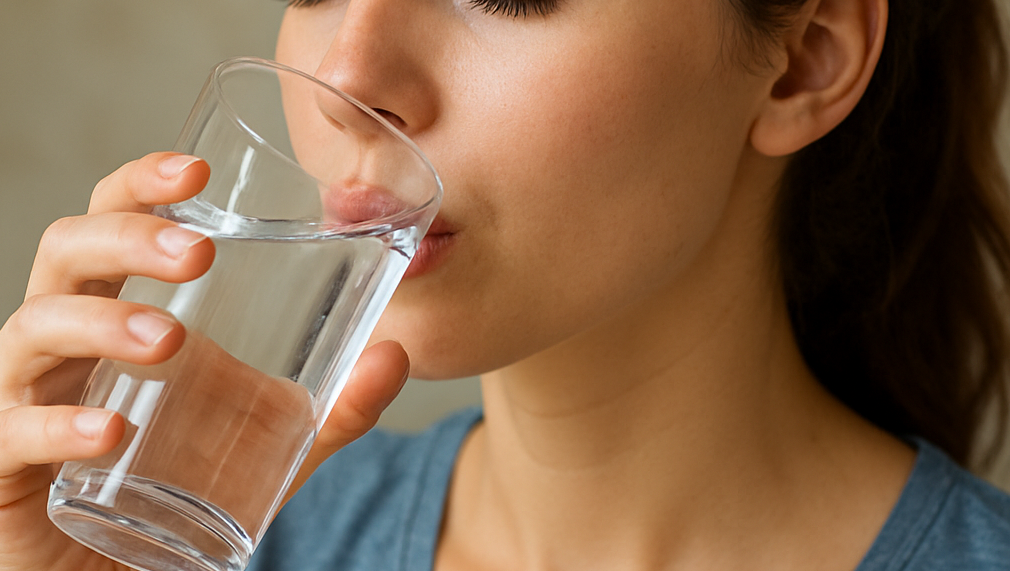
A Simple Morning Hydration Routine
If you'd like to make morning hydration a habit, keep it easy.
Step 1: Keep water nearby
Place a glass or bottle of water where you can easily see it.
Step 2: Drink a comfortable amount
You don't need to force down a massive quantity.
Step 3: Eat when you're hungry
Water shouldn't replace a nutritious breakfast if you need one.
Step 4: Continue drinking throughout the day
Don't treat your morning glass as your entire hydration strategy.
Step 5: Adjust for your circumstances
Drink more when appropriate during exercise, hot weather, or other situations that increase fluid loss, while following medical advice if you have a condition requiring fluid restriction.
The Real Benefit Is Simpler Than the Internet Makes It Sound
The morning water trend can sometimes become surrounded by dramatic promises.
"Flushes toxins."
"Melts fat."
"Repairs your organs."
"Resets your metabolism."
These statements make a simple habit sound like a medical treatment.
The reality is much less dramatic—but still useful.
Water hydrates you.
Hydration supports normal physiological functions.
And starting your day with water can make it easier to maintain adequate fluid intake.
That's already a worthwhile benefit.
Final Thoughts
Drinking water on an empty stomach is generally a simple, healthy habit for most people.
It can help replace fluids after several hours of sleep, support normal digestion, contribute to healthy bowel function, and help you establish a consistent hydration routine.
But don't expect one glass of water to magically detox your body, burn significant amounts of fat, or cure health problems.
The bigger picture matters far more.
Drink enough throughout the day.
Eat a varied, nutrient-rich diet.
Stay physically active.
Get adequate sleep.
And listen to your body's thirst and your healthcare professional's advice when you have a medical condition that affects fluid needs.
So tomorrow morning, if you wake up thirsty, go ahead and reach for that glass of water.
It's not a miracle cure—and it doesn't need to be.
Sometimes, one of the healthiest habits is also one of the simplest.