Although these ideas are not considered part of modern evidence-based medicine, they continue to attract interest because they connect physical symptoms with emotional experiences and daily habits.
The period between 11:00 p.m. and 1:00 a.m. is traditionally associated with the gallbladder.
Within TCM philosophy, this organ is linked not only to physical processes but also to decision-making, confidence, and judgment.
People who wake consistently during this period are sometimes encouraged to reflect on unresolved choices, uncertainty, or ongoing mental tension.
The next time period, from 1:00 a.m. to 3:00 a.m., is associated with the liver.
This is perhaps the most commonly discussed wake-up window.
According to traditional beliefs, the liver is connected to anger, frustration, resentment, and emotional stress.
Interestingly, modern sleep research also recognizes that emotional distress frequently contributes to nighttime awakenings. While the explanations differ, both perspectives acknowledge a relationship between emotional well-being and sleep quality.


 5
The hours between 3:00 a.m. and 5:00 a.m. are traditionally linked with the lungs.
In TCM, the lungs are associated with grief, sadness, healing, and emotional release.
Some practitioners suggest that waking during these hours may indicate unresolved emotional burdens or a need for personal reflection.
Again, modern science does not support a direct connection between a specific organ and a precise waking time. However, emotional factors remain strongly linked to sleep disturbances, making this interpretation appealing to many people.
From 5:00 a.m. to 7:00 a.m., traditional teachings focus on the large intestine.
This period is often associated with elimination, renewal, and preparation for the day ahead.
Individuals who naturally wake during this timeframe may simply be approaching the end of their sleep cycle, particularly if they went to bed early. Nevertheless, traditional interpretations view it as a symbolic period of release and transition.
Regardless of which perspective one finds more convincing, recurring nighttime awakenings can serve as an opportunity to evaluate overall health.
Sleep quality depends on many interconnected factors. Stress management, physical activity, diet, sleep environment, and daily routines all influence how well the body rests.
Improving these areas often leads to noticeable benefits.
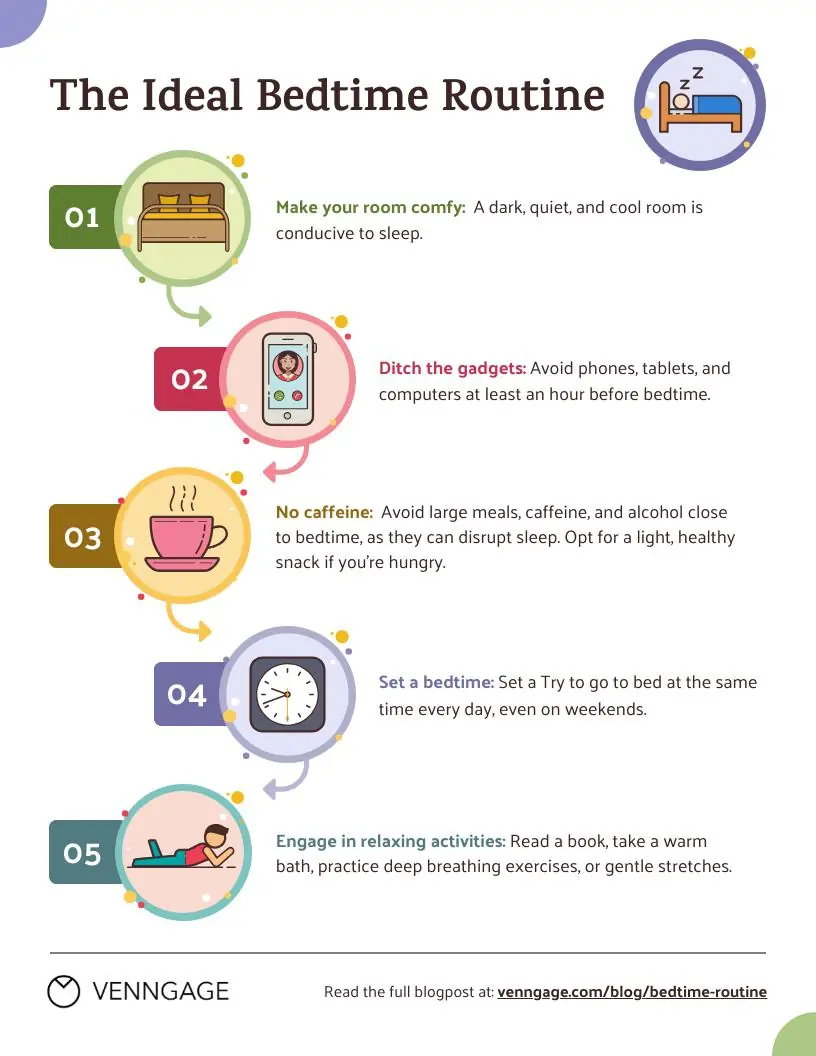
Maintaining a consistent sleep schedule is one of the most effective strategies. Going to bed and waking up at the same time each day helps reinforce the body's natural circadian rhythm.
Reducing screen exposure before bedtime may also help. Phones, tablets, and computers emit blue light that can suppress melatonin production and delay sleep onset.
Many experts recommend avoiding screens for at least one hour before bed.
Relaxation techniques can be equally valuable.
Deep breathing exercises, meditation, mindfulness practices, gentle stretching, and journaling may help calm the nervous system and reduce stress-related awakenings.
Regular physical activity also supports healthy sleep. Exercise can improve sleep quality, reduce anxiety, and promote overall well-being. However, intense workouts immediately before bedtime may have the opposite effect for some individuals.
Keeping a sleep journal may provide additional insight.
Recording bedtime, wake-up times, stress levels, dietary habits, exercise patterns, and nighttime awakenings can reveal trends that might otherwise go unnoticed.
Over time, these observations may help identify the factors contributing to recurring wake-ups.
For many people, the answer turns out to be simpler than expected.
A late-night cup of coffee, increased work stress, inconsistent sleep schedules, or environmental disturbances may be enough to explain the pattern.
Others may discover that improving sleep hygiene significantly reduces or eliminates the problem.

 6
Perhaps the most important message is that waking at the same time every night is not automatically a sign of serious illness.
In many cases, it reflects the natural interaction between sleep cycles, lifestyle habits, emotional health, and environmental influences.
At the same time, persistent sleep disturbances should not be ignored. Sleep affects nearly every aspect of physical and mental health. When sleep quality declines, energy levels, mood, concentration, immune function, and overall quality of life often suffer as well.
By paying attention to recurring patterns and making thoughtful adjustments to daily habits, many people can improve their sleep and gain a better understanding of what their bodies may be trying to tell them.
Sometimes the explanation lies in science. Sometimes it lies in stress. Sometimes it may simply be a reflection of daily routines that have gradually drifted out of balance.
Whatever the reason, recurring nighttime awakenings provide an opportunity to pause, reflect, and take a closer look at the factors influencing one of the most important activities in human life: sleep.
Understanding the 3:00 A.M. Mystery: Why Your Body Keeps Waking You Up
Many people experience the same strange pattern night after night. They fall asleep without difficulty, only to wake up at almost exactly the same hour. Sometimes it is 1:30 a.m. Sometimes 3:00 a.m. Sometimes 4:45 a.m. The clock seems to repeat itself with uncanny precision.
At first, most people dismiss it as coincidence. But after days, weeks, or even months of repeated awakenings, curiosity begins to grow. Why does the body choose the same moment every night? Is it simply stress? Is it an environmental factor? Or could there be a deeper explanation hidden beneath the surface?