Modern sleep science offers several practical explanations. Sleep is not a single continuous state. Instead, it moves through multiple cycles throughout the night. Each cycle includes lighter sleep stages, deep sleep, and REM sleep. Certain disturbances can make a person more vulnerable to waking during these transitions.
Stress is one of the most common triggers. When the brain remains partially alert due to unresolved worries, work pressure, family concerns, financial issues, or emotional tension, it may become easier to wake during lighter sleep phases. Even if a person believes they are relaxed, the nervous system can continue processing stress in the background.
Caffeine can also play a surprising role. Many people underestimate how long caffeine remains active in the body. Depending on individual metabolism, coffee consumed in the afternoon may still affect sleep quality late at night. Alcohol presents a similar paradox. While it often helps people fall asleep faster, it can disrupt sleep architecture later in the night, leading to repeated awakenings.
Environmental factors matter as well. Changes in room temperature, outside noise, light exposure, an uncomfortable mattress, or even a partner's movements can gradually train the brain to wake at predictable times.
Yet despite these scientific explanations, many people remain fascinated by traditional interpretations that assign deeper meaning to nighttime awakenings.
 6
Traditional Chinese Medicine (TCM) approaches the phenomenon from an entirely different perspective. Instead of focusing solely on neurological sleep cycles, it describes a "body clock" in which different organs are believed to be most active during specific periods of the night and day.
According to this framework, recurring awakenings may reflect imbalances connected to particular organs or emotional states.
Whether one accepts these ideas literally or views them as symbolic tools for self-reflection, they remain influential across many cultures and continue to spark discussion worldwide.
Waking Between 1:00 A.M. and 3:00 A.M.
Within traditional interpretations, the period between 1:00 a.m. and 3:00 a.m. is associated with the liver.
The liver is traditionally linked not only to physical functions but also to emotional experiences such as frustration, resentment, anger, and unresolved tension.
People who repeatedly wake during these hours are sometimes encouraged to examine whether they are carrying emotional burdens that remain unaddressed during the day.
Of course, modern medicine does not consider waking during this time to be evidence of liver problems. However, emotional stress itself is a well-documented contributor to disrupted sleep.
Interestingly, many individuals who struggle with repeated awakenings report periods of increased workload, relationship difficulties, major life changes, or ongoing anxiety. These factors can create a state of heightened alertness that persists long after bedtime.
Sleep specialists often recommend maintaining a consistent sleep schedule, reducing evening stimulation, limiting screen exposure before bed, and practicing relaxation techniques to help calm the nervous system.
Simple habits such as journaling, meditation, breathing exercises, or reading can sometimes reduce mental activity before sleep and make nighttime awakenings less frequent.
The Connection Between Sleep and Emotions
Sleep and emotional well-being are deeply interconnected.
Poor sleep can increase irritability, anxiety, and emotional sensitivity. At the same time, emotional distress can make restful sleep more difficult to achieve.
Researchers have found that sleep deprivation affects brain regions involved in emotional regulation. This helps explain why people often feel more reactive, impatient, or overwhelmed after a night of poor sleep.
For some individuals, recurring awakenings become a source of anxiety themselves. After several nights of disrupted sleep, they begin worrying about whether they will wake again. Ironically, that anticipation can make awakenings more likely.
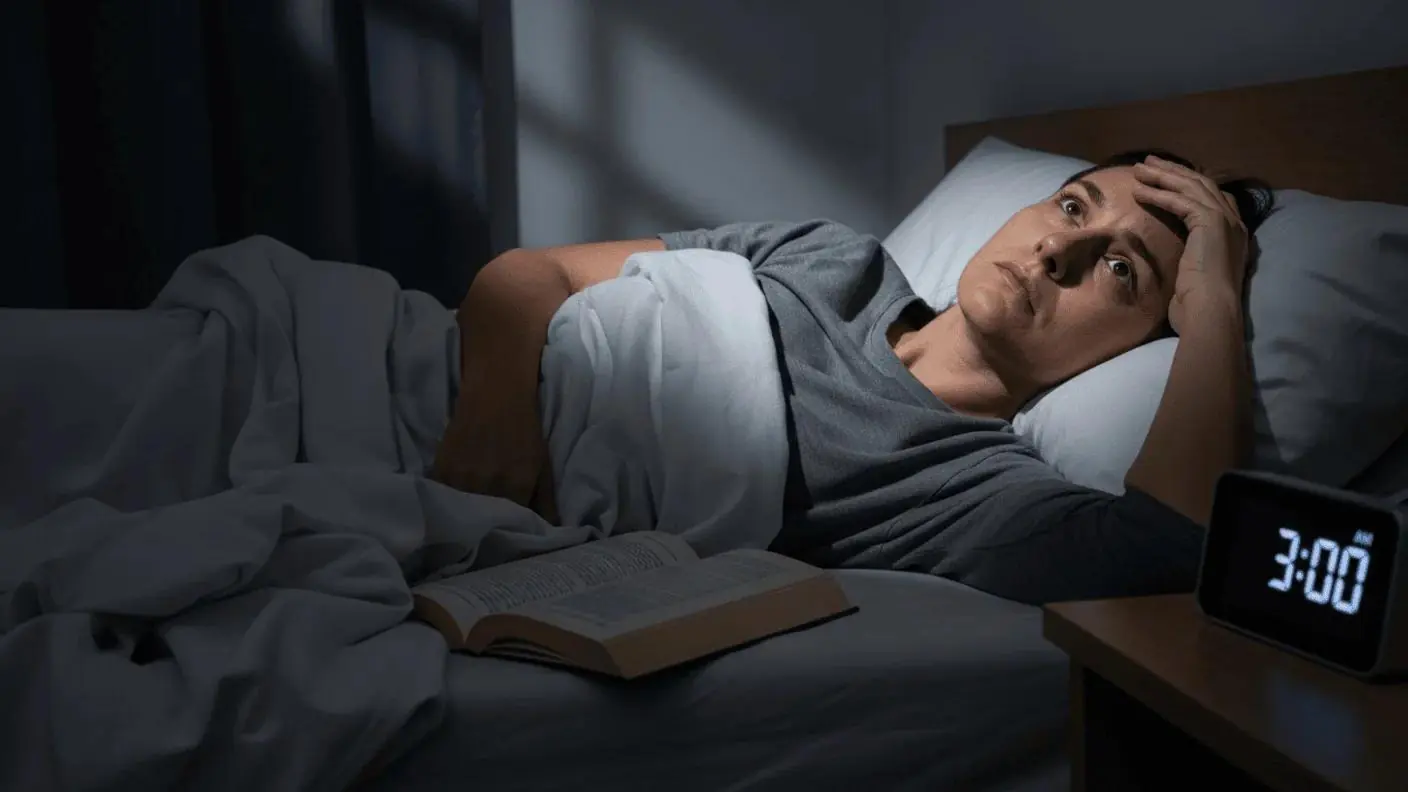
Breaking this cycle often requires focusing less on the clock and more on overall sleep habits. Experts frequently advise against checking the time every time a person wakes up, since doing so can reinforce anxiety and create stronger associations between a specific hour and wakefulness.
The goal is not merely to sleep longer but to create a healthier relationship with sleep itself.
What Does It Mean If You Wake Between 3:00 A.M. and 5:00 A.M.?
Among the most discussed periods in traditional body-clock theories is the window between 3:00 a.m. and 5:00 a.m.
According to Traditional Chinese Medicine, this period is associated with the lungs. Beyond their physical role in breathing, the lungs are traditionally connected with emotions such as grief, sadness, longing, and emotional release.
Many traditional practitioners believe that repeatedly waking during these hours may coincide with unresolved emotional experiences. It does not necessarily mean a person is consciously feeling sadness. Sometimes emotions remain buried beneath daily routines, only emerging during quieter moments when the mind is less distracted.
From a modern scientific perspective, there is no direct evidence linking a specific waking time to emotional categories. However, there is evidence that emotional stress can influence sleep quality. Individuals dealing with loss, major life changes, uncertainty, or prolonged stress often report waking more frequently during the second half of the night.