🌱 Why Sprouted Foods Are Gaining So Much Attention
In recent years, sprouted foods have become a staple in many health-conscious diets — and for good reason.
Sprouting is the process where seeds, grains, or legumes begin to germinate and grow. During this stage, their nutritional profile changes significantly, making them easier to digest and more nutrient-dense.
Compared to their unsprouted versions, sprouted foods often contain:
- Higher levels of vitamins
- Increased antioxidant activity
- Better mineral absorption
Let’s explore three powerful sprouting foods that can bring real benefits to your daily diet.
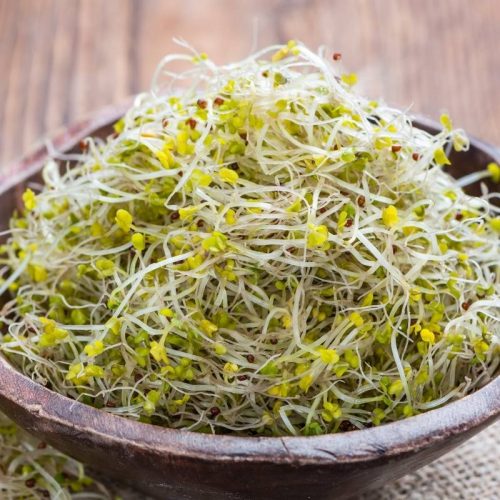
🌿 1. Mung Bean Sprouts — Light, Crunchy, and Nutrient-Rich
Mung bean sprouts are one of the most commonly consumed sprouted foods, especially in Asian cuisine.
Why they’re beneficial:
- Rich in vitamin C and antioxidants
- Low in calories but high in nutrients
- Easy to digest compared to whole beans
Health benefits:
- Support immune function
- Aid digestion
- Help reduce inflammation
They’re also incredibly versatile — perfect for salads, soups, or stir-fries.
👉 A simple ingredient with powerful effects.
🥦 2. Broccoli Sprouts — A Concentrated Superfood
Broccoli sprouts may be small, but they pack a serious nutritional punch.
They are especially rich in sulforaphane, a compound known for its strong antioxidant properties.
Key advantages:
- Support detoxification processes
- Help reduce oxidative stress
- May contribute to cellular protection
In fact, broccoli sprouts can contain significantly higher levels of beneficial compounds than mature broccoli.
👉 Tiny greens, major impact.
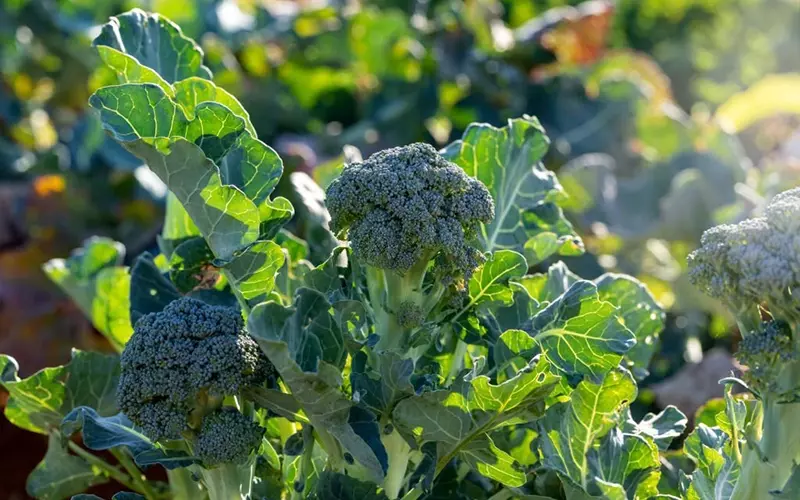
🌱 3. Alfalfa Sprouts — Gentle and Mineral-Rich
Alfalfa sprouts are delicate in texture but loaded with essential nutrients.
They provide:
- Vitamins A, C, and K
- Calcium and magnesium
- Plant-based protein
Potential benefits:
- Support bone health
- Promote heart health
- Help balance cholesterol levels
Their mild flavor makes them easy to add to sandwiches, wraps, or salads.
👉 Light on taste, heavy on nutrition.
⚡ What Makes Sprouted Foods Special?
The sprouting process activates enzymes that:
- Break down anti-nutrients
- Improve nutrient absorption
- Enhance protein availability
This means your body can:
- Digest them more easily
- Absorb more nutrients
- Use energy more efficiently
👉 It’s like unlocking the full potential of the food.
⚠️ Important Safety Tips
While sprouted foods are healthy, they should be handled properly:
- Always wash thoroughly
- Store in the refrigerator
- Consume fresh
- Avoid if they smell off or look slimy
👉 Freshness is key to safety.
🥗 Easy Ways to Add Sprouts to Your Diet
- Add mung bean sprouts to stir-fries
- Sprinkle broccoli sprouts on salads or toast
- Use alfalfa sprouts in sandwiches
👉 No complicated recipes needed.
🌱 Final Thoughts
Sprouted foods may look simple, but they offer impressive nutritional benefits that can support your health in many ways.
By incorporating just a few of these into your daily meals, you can:
- Improve digestion
- Boost nutrient intake
- Support overall wellness
Sometimes, the smallest foods carry the greatest power.
So next time you’re planning your meals, don’t overlook these tiny greens - they might be exactly what your body needs.