Here’s a detailed distinction between pharyngitis and nasopharyngeal cancer based on clinical features, investigations, and risk factors:
1. Pharyngitis (Sore Throat)
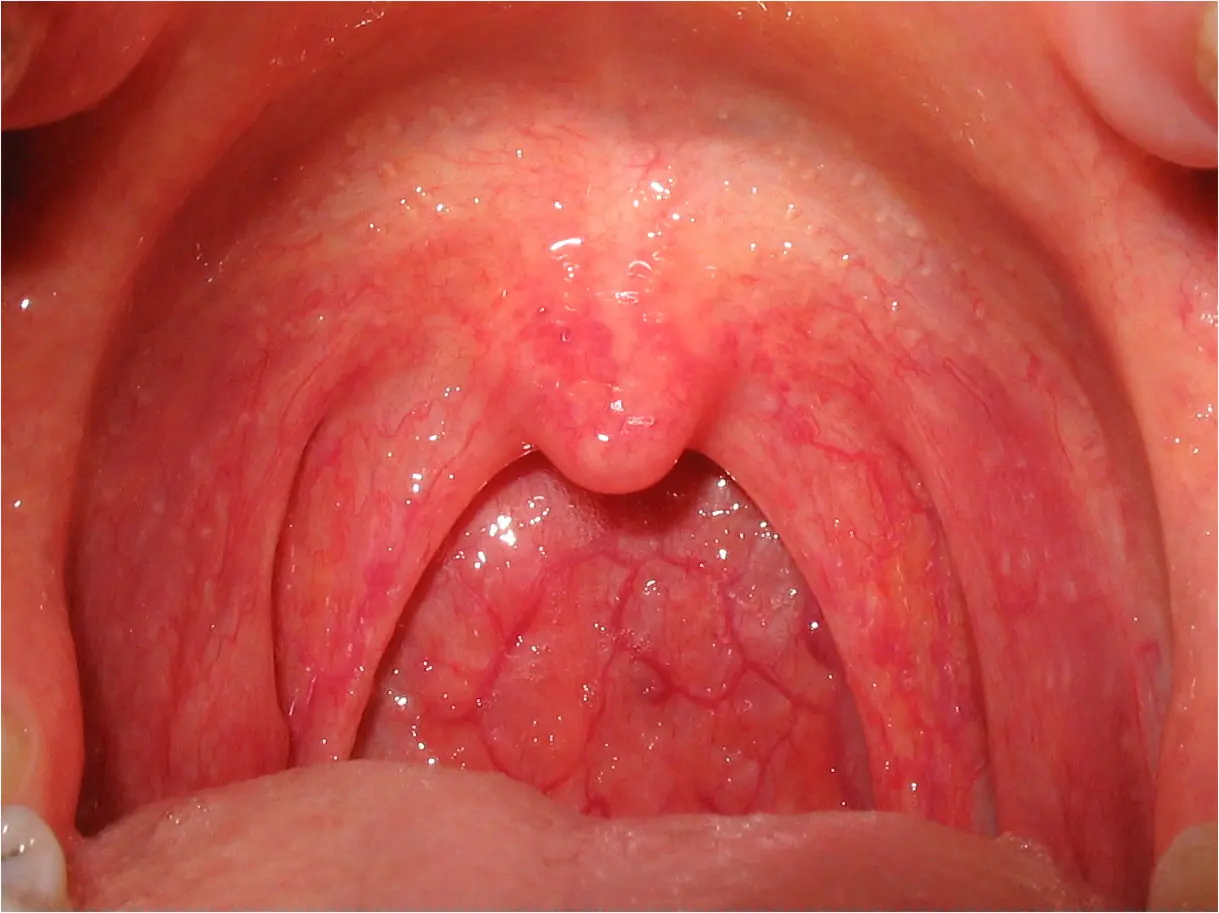
Definition:
Inflammation of the pharynx, usually caused by viral or bacterial infections.
Causes:
-
Viral: Rhinovirus, adenovirus, influenza, Epstein-Barr virus
-
Bacterial: Streptococcus pyogenes, Haemophilus influenzae
Symptoms:
-
Sudden onset sore throat
-
Painful swallowing (odynophagia)
-
Fever (more common in bacterial cases)
-
Red, swollen pharyngeal mucosa; sometimes exudates
-
Swollen cervical lymph nodes
-
Runny nose, cough, hoarseness (usually viral)
Duration:
-
Acute; usually resolves within 5–10 days with symptomatic treatment
Red Flags / Complications:
-
Severe sore throat with difficulty swallowing
-
Drooling, muffled voice, or respiratory distress → consider peritonsillar abscess
-
Persistent symptoms >2 weeks are unusual for simple pharyngitis
Investigations:
-
Rapid antigen detection test or throat culture (for bacterial pharyngitis)
-
Usually no imaging required
Treatment:
-
Symptomatic for viral causes
-
Antibiotics if bacterial infection is confirmed
2. Nasopharyngeal Cancer (NPC)
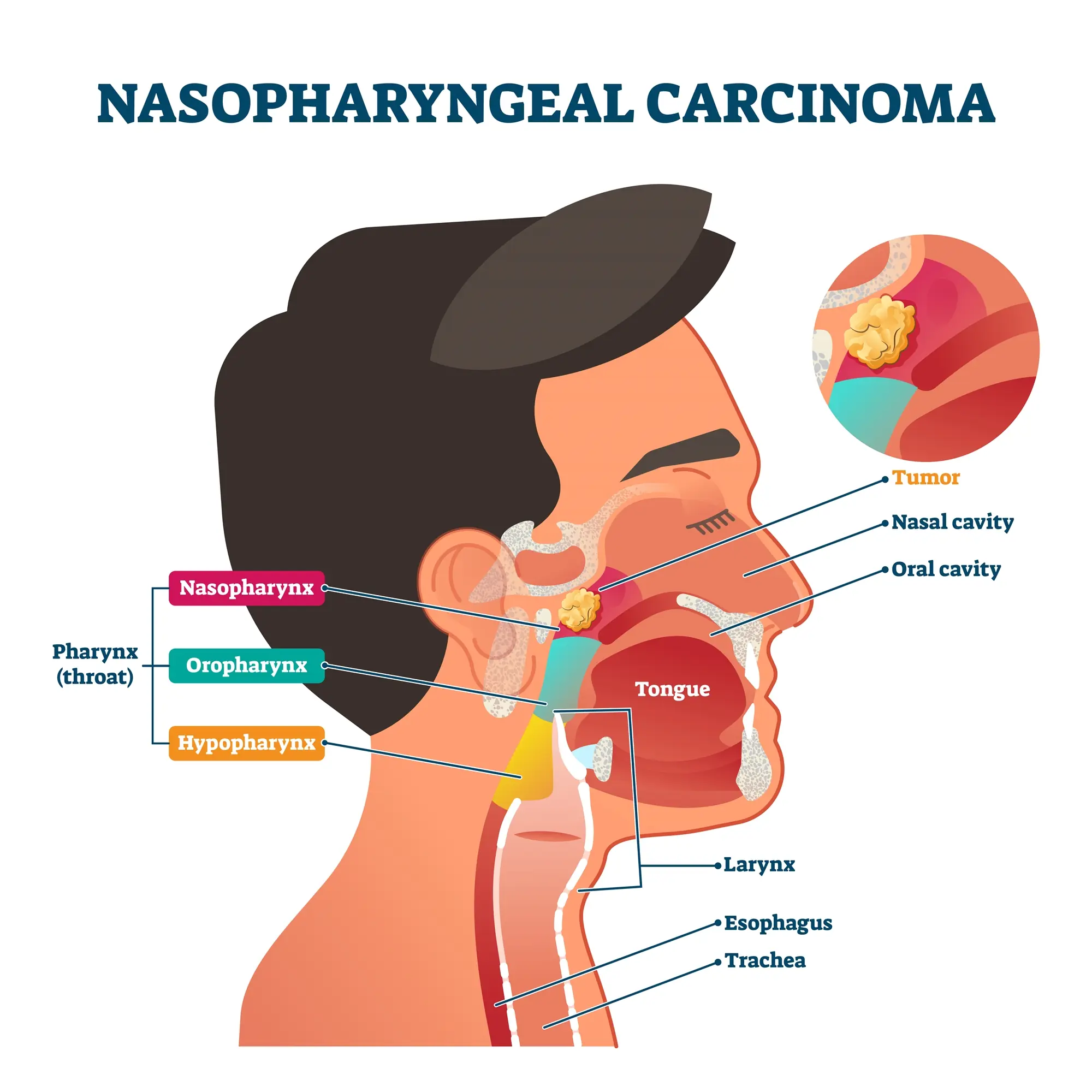
Definition:
Malignant tumor originating in the nasopharynx, often associated with Epstein-Barr virus (EBV) infection.
Risk Factors:
-
EBV infection
-
Genetic susceptibility
-
Consumption of salted fish and preserved foods
-
Male gender, age 40–60 (most common)
Symptoms:
-
Early-stage NPC: Often asymptomatic
-
Nasal obstruction or persistent congestion
-
Nosebleeds (epistaxis)
-
Hearing loss or ear fullness (due to eustachian tube obstruction)
-
Neck mass (cervical lymphadenopathy, often painless)
-
Chronic sore throat or sensation of something stuck in the throat
-
Headache, facial numbness if advanced
Duration:
-
Persistent and progressive; does not resolve spontaneously
Red Flags / Complications:
-
Unilateral neck mass >2–3 weeks
-
Persistent nosebleeds
-
Cranial nerve involvement (double vision, facial paralysis)
-
Recurrent or unexplained ear symptoms
Investigations:
-
Nasopharyngoscopy with biopsy (definitive diagnosis)
-
MRI/CT of nasopharynx for local extension
-
EBV serology or DNA PCR (supportive)
-
Chest X-ray or PET-CT for metastasis assessment
Treatment:
-
Radiotherapy (primary treatment)
-
Chemotherapy for advanced stages
Key Distinguishing Points
Feature Pharyngitis Nasopharyngeal Cancer (NPC) Onset Sudden Insidious, gradual Duration Short, <2 weeks Persistent, progressive Pain Throat pain prominent Sore throat mild or absent Fever Common in bacterial/viral cases Rare Cervical lymph nodes Tender, often small Painless, firm, unilateral/bilateral Nasal/ear symptoms Usually absent Nasal obstruction, epistaxis, ear fullness Response to treatment Improves with antibiotics/symptomatic Does not improve with usual treatments Red flag signs Difficulty breathing/swallowing Persistent neck mass, cranial nerve palsy
Summary:
-
Pharyngitis is usually acute, self-limited, and associated with pain and systemic symptoms.
-
Nasopharyngeal cancer is insidious, often painless, may present with a neck mass, nasal obstruction, or ear symptoms, and does not resolve spontaneously.
Any persistent unilateral neck mass or unexplained ENT symptoms warrants nasopharyngoscopy and biopsy to rule out NPC.
3. Early Warning Signs of Nasopharyngeal Cancer You Should Never Ignore
One of the most challenging aspects of nasopharyngeal cancer (NPC) is that its early symptoms can be subtle and easily mistaken for common ear, nose, and throat conditions.
Unlike acute pharyngitis, which typically develops suddenly and causes noticeable throat discomfort, nasopharyngeal cancer may develop gradually. Some people experience few symptoms during the early stages, while others notice changes involving their nose, ears, throat, or neck.
Recognizing persistent or unusual symptoms can help patients seek medical attention sooner.
1. Persistent Nasal Congestion, Especially on One Side
Nasal congestion is extremely common and is usually associated with allergies, sinus infections, or respiratory viruses.
However, persistent nasal obstruction affecting only one nostril deserves attention, particularly when it does not improve with ordinary treatment.
A tumor growing in the nasopharynx may obstruct nearby nasal passages or interfere with normal airflow.
Warning signs include:
-
Persistent blockage on one side of the nose.
-
A sensation that one nostril is constantly congested.
-
Nasal symptoms that do not improve over several weeks.
-
Recurrent nasal discharge, sometimes containing blood.
-
Nasal congestion accompanied by unexplained ear symptoms.
These symptoms do not automatically indicate cancer. Nevertheless, persistent one-sided nasal obstruction should be evaluated by an ear, nose, and throat specialist.
2. Recurrent Nosebleeds or Blood-Stained Nasal Discharge
Occasional nosebleeds are common and can result from dry air, allergies, nose picking, or irritation of the nasal lining.
However, repeated nosebleeds without an obvious explanation may require further investigation.
Nasopharyngeal tumors can develop in an area containing numerous small blood vessels. As a tumor grows, it may cause bleeding from the surrounding tissue.
Pay particular attention to:
-
Repeated nosebleeds without an obvious injury.
-
Blood-stained mucus when blowing your nose.
-
Persistent blood in nasal discharge.
-
Nosebleeds associated with one-sided nasal obstruction.
Although many benign conditions can cause these symptoms, recurrent unexplained bleeding should not be ignored.
3. Hearing Loss or a Persistent Feeling of Fullness in One Ear
One of the characteristic presentations of nasopharyngeal cancer is an ear problem that initially appears unrelated to the throat or nose.
The nasopharynx is located close to the openings of the Eustachian tubes, which connect the middle ears to the back of the nose.
These tubes help regulate air pressure in the middle ear and allow fluid to drain normally.
When a tumor obstructs the opening of one Eustachian tube, fluid may accumulate behind the eardrum. This condition is called otitis media with effusion.