Gallbladder removal is a common surgical procedure, and for many people, it can provide significant relief from painful gallstones and other gallbladder problems.
But what happens after the gallbladder is gone?
Some people return to their normal routine without noticing much difference at all. Others may experience changes in digestion, particularly during the first few weeks or months after surgery. In some cases, symptoms can continue for longer and may require further evaluation.
The important thing to understand is that living without a gallbladder is possible for most people. The gallbladder is helpful, but it isn't an organ that the body must have to survive.
Still, removing it changes the way bile moves through the digestive system, and that can lead to several noticeable effects.
Here are three possible changes doctors commonly consider after gallbladder removal — and what they may mean for your health.
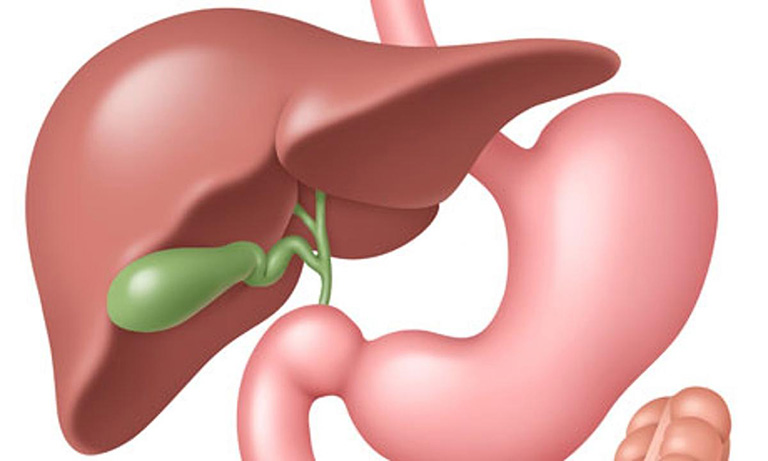
First, What Does the Gallbladder Actually Do?
The gallbladder is a small, pear-shaped organ located beneath the liver.
Its main job is not to produce bile. The liver produces bile.
Instead, the gallbladder stores and concentrates bile between meals. When you eat, particularly when you consume foods containing fat, the gallbladder contracts and releases bile into the small intestine.
Bile helps the body digest and absorb dietary fats and fat-soluble vitamins.
When the gallbladder is removed, the liver continues producing bile. However, there is no longer a storage pouch holding concentrated bile and releasing it in larger amounts when needed.
Instead, bile flows more continuously from the liver into the small intestine.
That change is usually manageable.
However, it can explain why some people notice differences in their digestion after surgery.
1. Diarrhea and More Frequent Bowel Movements
One of the most commonly discussed changes after gallbladder removal is a change in bowel habits.
Some people experience:
-
Looser stools
-
More frequent bowel movements
-
Sudden urgency to use the bathroom
-
Diarrhea after eating
-
Increased sensitivity to fatty meals
-
Occasional abdominal cramping
For many people, these symptoms are temporary.
The digestive system is adjusting to a different pattern of bile delivery, and bowel habits may gradually settle as the body adapts.
But there is another possible explanation for persistent diarrhea: bile acid diarrhea.
Without a gallbladder, bile may enter the intestine more continuously. In some individuals, excess bile acids reach the colon and stimulate it, resulting in watery or urgent bowel movements.
This doesn't mean that everyone who has gallbladder surgery will develop chronic diarrhea.
In fact, many people eventually return to their usual bowel habits.
But if diarrhea continues for weeks or becomes a long-term problem, it shouldn't simply be dismissed as something you have to live with.
A healthcare professional can determine whether bile acid diarrhea or another digestive condition could be contributing.
In appropriate cases, doctors may recommend medications that bind bile acids and reduce their effects in the colon.
What Can Make Diarrhea Worse?
Certain foods may be more difficult to tolerate shortly after surgery, particularly foods that are very high in fat.
Examples include:
-
Fried foods
-
Fatty cuts of meat
-
Large amounts of butter
-
Heavy cream-based dishes
-
Greasy fast food
-
Very rich desserts
-
Large portions of cheese
This doesn't necessarily mean you need to avoid fat forever.
Instead, many people do better initially by eating smaller portions and spreading fat intake throughout the day rather than consuming one very large, high-fat meal.
2. Bloating, Indigestion and Digestive Discomfort
Another possible change is that certain meals may feel different after surgery.
Some people report:
-
Bloating
-
Gas
-
Indigestion
-
A feeling of fullness
-
Abdominal discomfort
-
Nausea
-
Heartburn or reflux-like symptoms
-
Discomfort after particularly rich meals
Again, these symptoms don't automatically mean that something has gone wrong.
Your digestive system has undergone a physical change, and the body may need time to adapt.
Immediately after surgery, the digestive tract may also be affected by changes in eating habits, medications, reduced activity, and the normal recovery process.
You Don't Necessarily Need a Lifelong Low-Fat Diet
One common misconception is that anyone without a gallbladder must permanently eat an extremely low-fat diet.
For most people, that isn't necessary.
After recovery, many people can gradually return to a varied, balanced diet.
The key is often portion size and individual tolerance.
Instead of suddenly eating a large greasy meal, you might begin with smaller portions and see how your body responds.
A typical gradual approach may include:
Early recovery:
-
Smaller meals
-
Moderate amounts of fat
-
Easily tolerated foods
-
Adequate fluids
As digestion improves:
-
Gradually increase dietary variety
-
Add fiber slowly
-
Reintroduce foods one at a time if certain foods cause symptoms
Long term:
-
Aim for a balanced eating pattern rather than unnecessary extreme restriction.
If a particular food consistently causes symptoms, keeping a simple food diary can help identify patterns.
3. Persistent or Recurring Abdominal Symptoms
Most people recover well after gallbladder removal.
But some continue experiencing abdominal or digestive symptoms after surgery.
Doctors sometimes use the term postcholecystectomy syndrome to describe persistent or recurring symptoms after gallbladder removal.
Importantly, this is not one specific disease.
It is a broad term covering symptoms that may have several different causes.
For example, persistent symptoms could potentially be related to:
-
Bile acid diarrhea
-
A stone that remains in the bile duct
-
A new or recurrent bile duct stone
-
Bile duct narrowing or injury
-
Pancreatitis
-
Acid reflux
-
Peptic ulcer disease
-
Functional digestive disorders
-
Food intolerance
-
Other gastrointestinal conditions
This is why persistent symptoms shouldn't automatically be blamed on the surgery itself.
Sometimes the original problem was not completely responsible for the symptoms, or another digestive condition may have been present at the same time.
A doctor may need to evaluate the symptoms using a combination of medical history, physical examination, blood tests, ultrasound or other imaging, and sometimes additional gastrointestinal testing.
What Happens to Digestion Without a Gallbladder?
It may help to think of the gallbladder as a storage tank, rather than a factory.
The liver continues making bile after surgery.
The difference is that bile is no longer stored and concentrated inside the gallbladder.
Instead, it can flow directly toward the small intestine.
Your body can still digest food.
Your liver still performs its normal functions.
You can still absorb nutrients.
And you can still eat a normal, balanced diet in most cases.
The biggest difference is the pattern of bile delivery, not the complete loss of bile.
That's why gallbladder removal does not automatically mean that your digestion will be permanently damaged.
Why Do Doctors Recommend Gallbladder Removal?
Gallbladder removal, also called cholecystectomy, is commonly performed when gallbladder disease is causing significant problems.
One of the most common reasons is symptomatic gallstones.
Gallstones can block the normal flow of bile and cause intense pain, often in the upper right or upper middle part of the abdomen.
Doctors may recommend surgery in situations involving:
-
Repeated attacks of gallstone pain
-
Acute or chronic inflammation of the gallbladder
-
Gallstone-related complications
-
Certain bile duct problems
-
Gallstone-related pancreatitis
-
Other specific gallbladder conditions
Not everyone with gallstones necessarily needs surgery.