Some people have gallstones that never cause symptoms and may simply be monitored depending on their individual circumstances.
But when gallstones cause repeated attacks or complications, avoiding medically indicated treatment can carry its own risks.
That's why the decision about surgery should be based on the individual's condition rather than a general rule that gallbladder removal should always be avoided.
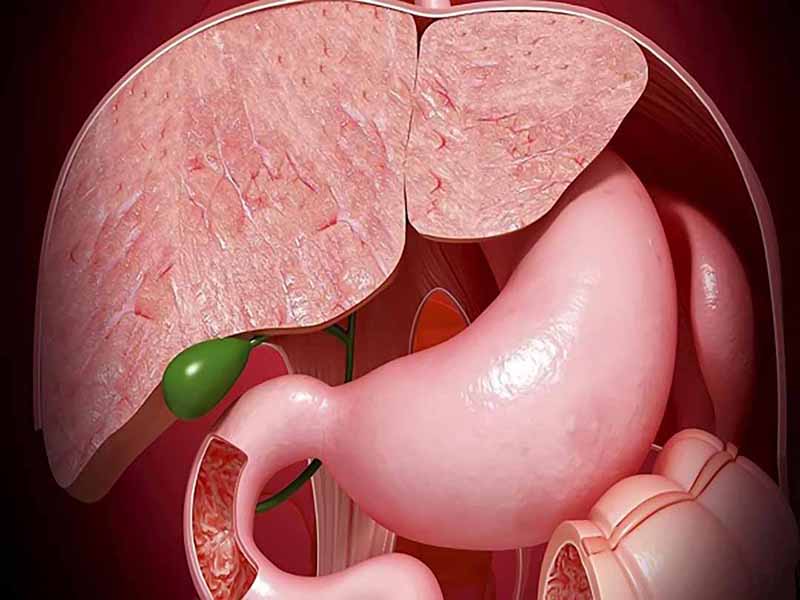
What About the Claim That Gallbladder Removal "Causes Three Diseases"?
This is where it's important to separate a possible post-surgical effect from a disease caused directly by surgery.
Gallbladder removal doesn't mean that three specific diseases will inevitably develop afterward.
For example, a person may develop diarrhea after surgery, but that doesn't mean the operation has permanently damaged their digestive system.
Likewise, persistent abdominal pain could have several possible explanations.
A symptom occurring after surgery doesn't automatically prove that the surgery caused it.
Doctors usually look at the timing of symptoms, the patient's medical history, examination findings, and appropriate tests before determining the underlying cause.
Foods That May Be Easier to Tolerate After Surgery
During the early recovery period, some people find that simpler meals are easier to tolerate.
Examples include:
Lean Protein
-
Skinless chicken
-
Turkey
-
Eggs
-
Lean cuts of meat
-
Tofu
-
Beans, depending on tolerance
Easily Tolerated Carbohydrates
-
Rice
-
Potatoes
-
Oatmeal
-
Bread
-
Pasta
-
Other whole grains as tolerated
Fruits and Vegetables
-
Bananas
-
Apples
-
Melons
-
Carrots
-
Squash
-
Cooked vegetables
The goal isn't to follow a rigid "gallbladder-free diet."
Instead, gradually return to a balanced eating pattern while paying attention to how your body responds.
Foods That May Cause Problems During Early Recovery
Some people are particularly sensitive to high-fat foods immediately after surgery.
You may temporarily need to limit:
-
Fried chicken
-
French fries
-
Fatty pork
-
Sausage
-
Bacon
-
Heavy sauces
-
Creamy dishes
-
Large amounts of cheese
-
Rich pastries
-
Very oily foods
Large meals may also be harder to tolerate than smaller meals.
Instead of eating two or three very heavy meals, some people find that smaller meals distributed throughout the day are easier on their digestive system.
Fiber Can Help — But Add It Gradually
Fiber is an important part of a healthy diet.
However, suddenly increasing fiber after surgery can sometimes make bloating and gas worse.
If you've been eating very little fiber, gradually add foods such as:
-
Vegetables
-
Fruits
-
Beans
-
Whole grains
-
Nuts and seeds
Give your digestive system time to adjust.
If diarrhea is your main problem, your doctor or dietitian may recommend a different dietary strategy depending on the suspected cause.
When Should You Contact a Doctor?
Some discomfort is expected during recovery, but certain symptoms deserve medical attention.
Contact your healthcare provider if you experience:
-
Persistent or worsening abdominal pain
-
Ongoing diarrhea
-
Unexplained weight loss
-
Repeated vomiting
-
Persistent nausea
-
Significant digestive problems that don't improve
-
Yellowing of the skin or eyes
-
Dark urine
-
Pale or clay-colored stools
-
Fever
-
Increasing abdominal swelling
These symptoms can have different causes and should be evaluated rather than automatically attributed to gallbladder removal.
When Is It an Emergency?
Some symptoms after surgery require urgent medical attention.
Seek urgent care if you develop:
-
Severe or rapidly worsening abdominal pain
-
High fever or chills
-
Significant jaundice
-
Repeated vomiting with inability to keep fluids down
-
Confusion or extreme weakness
-
Chest pain
-
Difficulty breathing
-
Significant bleeding
-
Severe abdominal swelling
These symptoms can indicate complications or another serious medical condition.
Can Gallbladder Problems Return After Surgery?
The gallbladder itself does not grow back.
However, problems involving the bile ducts can still occur.
For example, stones can occasionally remain in or later develop within the bile ducts.
This is one reason why new severe abdominal pain, jaundice, fever, or abnormal liver-related symptoms after surgery shouldn't simply be assumed to be normal.
The digestive system still contains bile ducts even though the gallbladder has been removed.
How Long Does It Take to Adjust?
Recovery varies from person to person.
Some people notice very little change after the operation.
Others may experience digestive changes for several weeks.
For many, symptoms gradually improve as the digestive system adapts and normal eating patterns return.
Persistent symptoms, however, deserve attention.
If someone continues having significant diarrhea, abdominal pain, nausea, or food intolerance long after recovery, there may be a treatable explanation.
The answer isn't necessarily to permanently eliminate large categories of foods.
Instead, identifying the actual cause is usually more useful.
Your Body Can Adapt Without a Gallbladder
It's easy to assume that removing an organ must leave the body permanently impaired.
But the human body is adaptable.
The liver continues producing bile.
The digestive tract continues functioning.
The pancreas continues producing digestive enzymes.
The intestines continue absorbing nutrients.
For most people, life eventually returns to a relatively normal routine.
The main difference is that bile is no longer stored and concentrated in the gallbladder before meals.
That relatively small change can nevertheless affect some people's bowel habits and tolerance of certain foods.
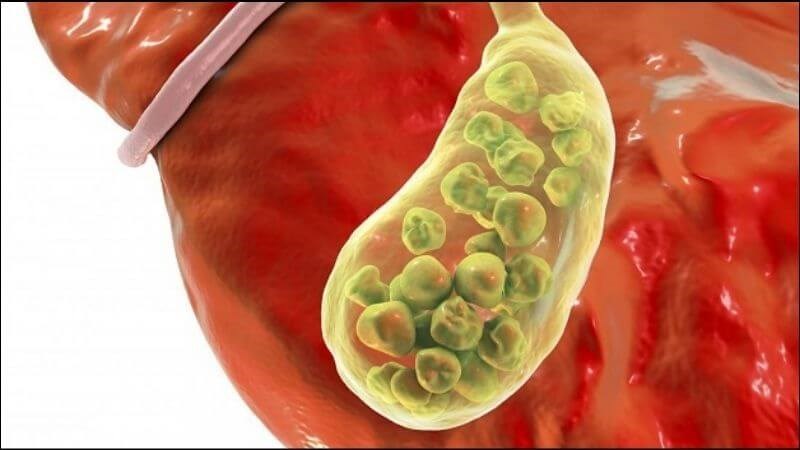
What You Should Know Before Gallbladder Surgery
If surgery has been recommended, don't make a decision based solely on frightening stories about life without a gallbladder.
Instead, ask your doctor:
-
Why do I need surgery?
-
What happens if I don't have the operation?
-
Are my gallstones causing symptoms?
-
What complications are possible in my particular case?
-
Is laparoscopic surgery appropriate for me?
-
How long should recovery take?
-
What should I eat immediately afterward?
-
What symptoms would require urgent medical attention?
-
What should I do if diarrhea continues after surgery?
These questions can help you understand the actual balance between the potential benefits and risks in your individual situation.
The Bottom Line
Gallbladder removal can change digestion, but it does not mean that your body can no longer function normally.
Three possible effects to know about are:
1. Changes in bowel movements
Some people develop temporary or persistent diarrhea, particularly after fatty meals. Bile acid diarrhea is one possible explanation for ongoing symptoms.
2. Bloating and indigestion
The digestive system may react differently to large or high-fat meals, especially during the early recovery period.
3. Persistent or recurring abdominal symptoms
Some people continue experiencing pain or digestive problems after surgery. These symptoms can have many possible causes and shouldn't automatically be blamed on gallbladder removal.
Most importantly, gallbladder surgery isn't automatically something to avoid. For people with symptomatic or complicated gallbladder disease, surgery may be recommended because the underlying condition itself can create significant health problems.
At the same time, not every gallstone requires surgery, and treatment decisions should be individualized.
The key isn't simply whether you have a gallbladder.
It's understanding why surgery is being considered, what risks and benefits apply to your situation, and what symptoms you experience afterward.