Chapter 1: What Happens to Your Body When You Eat a Banana Every Day After 60?
A banana is a familiar sight in kitchens around the world. It is inexpensive, easy to peel, naturally sweet, and requires very little preparation.
For many older adults, it is also one of the most convenient snacks available.
But after turning 60, the body's nutritional needs can change. Muscle mass may gradually decline, digestion can become less predictable, and certain chronic conditions may influence how the body processes nutrients.
This raises an interesting question: Is eating a banana every day a good habit for older adults?
In most cases, the answer is yes.
A medium-sized banana provides approximately 110 calories, 28 grams of carbohydrates, 3 grams of dietary fiber, and around 450 milligrams of potassium. It also contains vitamin B6, vitamin C, magnesium, and naturally occurring sugars.
These nutrients contribute to several important functions in the body.
1. Supporting normal heart function
One of the best-known nutritional characteristics of bananas is their potassium content.
Potassium is an essential mineral that helps regulate fluid balance, supports nerve signaling, and allows muscles to contract properly.
The heart is a muscle, so maintaining an appropriate potassium balance is important for normal cardiac electrical activity.
As people grow older, maintaining cardiovascular health becomes increasingly important.
High blood pressure is a common concern among older adults, and dietary habits play an important role in managing it.
Potassium helps counterbalance some of sodium's effects in the body. It supports the kidneys in removing sodium through urine and contributes to normal blood vessel function.
A diet containing adequate potassium from fruits, vegetables, beans, and other nutritious foods may help support healthy blood pressure.
However, bananas should not be considered a treatment for hypertension.
Eating one banana does not automatically lower blood pressure, and it cannot replace prescribed medication.
The overall dietary pattern matters much more than any single food.
2. Helping maintain healthy digestion
Another benefit of bananas is their dietary fiber.
Fiber contributes to normal bowel movements by adding bulk to stool and supporting intestinal function.
Constipation becomes more common for some people as they age.
Changes in physical activity, medication use, hydration, appetite, and digestive function can all influence bowel habits.
A medium banana provides approximately 3 grams of fiber, making it a convenient contribution to daily fiber intake.
Bananas also contain different types of carbohydrates depending on their ripeness.
Less-ripe bananas contain more resistant starch, which is not fully digested in the small intestine.
This starch can reach the large intestine, where gut bacteria ferment it and produce short-chain fatty acids.
These substances are involved in maintaining the intestinal environment.
Ripe bananas contain more readily digestible sugars and less resistant starch.
Both types can be part of a balanced diet, although individual digestive responses may differ.
The Nutrition Source
3. Providing energy without complicated preparation
Older adults sometimes experience changes in appetite.
Preparing complicated meals may also become less appealing, particularly when someone lives alone or has difficulty standing for extended periods.
A banana offers a convenient source of carbohydrates that can provide energy.
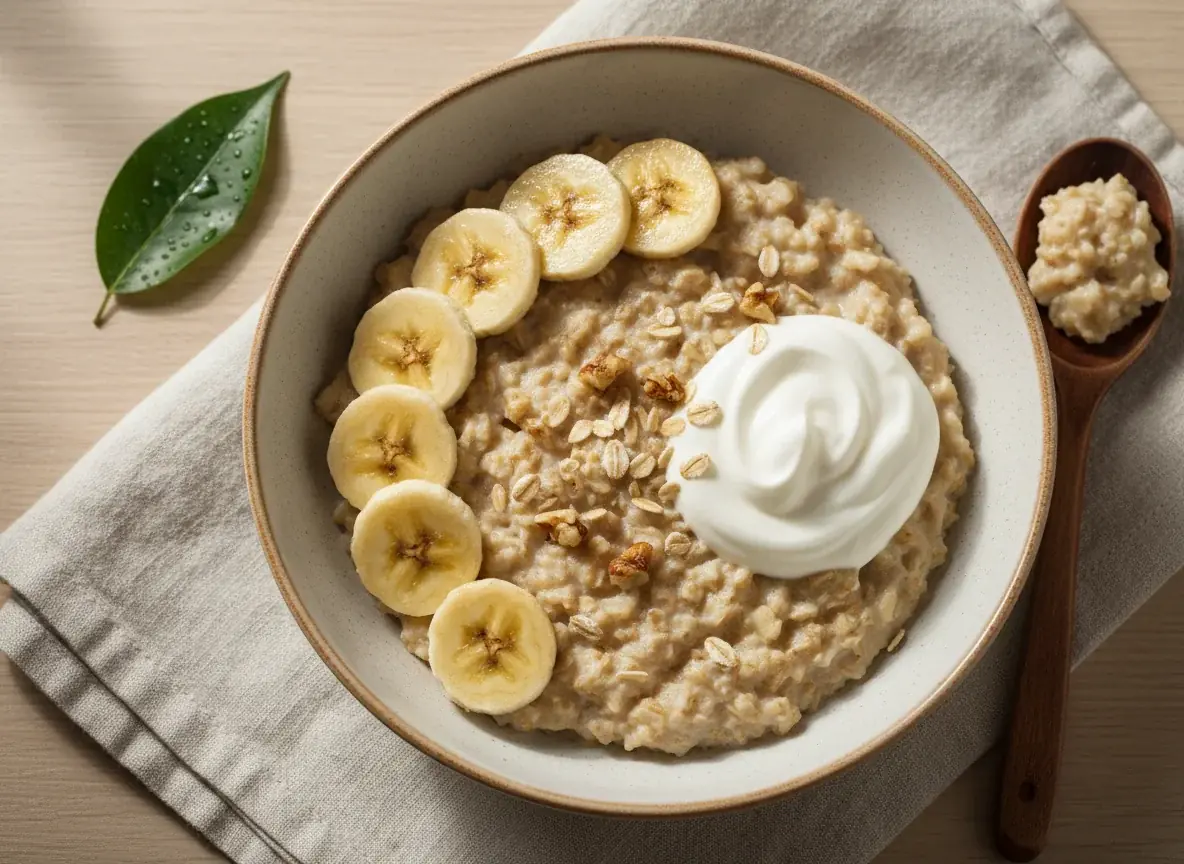
It can be eaten on its own, sliced into oatmeal, mixed with plain yogurt, or combined with other foods.
Its soft texture also makes it relatively easy to chew for many people.
For someone who struggles with harder fruits, a ripe banana may be a practical alternative.
However, people with swallowing difficulties should follow advice from their healthcare team because even soft foods may require specific texture modifications.
4. Supporting nerve and muscle function
Potassium and vitamin B6 are two nutrients found in bananas that contribute to normal body functions.
Potassium plays a role in muscle contraction and nerve transmission.
Vitamin B6 helps the body process proteins and supports the production of neurotransmitters involved in communication between nerve cells.
Older adults need to pay attention to these nutrients because inadequate nutrition can contribute to weakness and other health problems.
Nevertheless, eating bananas alone cannot prevent age-related muscle loss.
Maintaining muscle strength requires a combination of sufficient protein, regular physical activity, appropriate resistance exercises, and adequate overall nutrition.
5. Contributing to a more varied diet
One of the simplest ways to improve eating habits is to include different fruits and vegetables throughout the week.
Bananas are useful, but they should not become the only fruit an older adult eats.
Oranges provide vitamin C, berries contain various plant compounds, and apples offer additional fiber.
Different fruits have different nutritional profiles.
Eating a variety helps provide a broader range of vitamins, minerals, and naturally occurring plant compounds.
The important point is that a banana can be a valuable part of a healthy diet after 60.
It provides convenient energy, fiber, potassium, and several essential nutrients.
The benefits are most meaningful when bananas are combined with other nutritious foods and an overall healthy lifestyle.
Chapter 2: Five Important Health Benefits of Eating Bananas Regularly After 60
As people grow older, maintaining good nutrition becomes increasingly important.
The body may not absorb or use certain nutrients as efficiently as it once did. Appetite can change, digestion may become slower, and maintaining muscle strength can require more attention.
This is why choosing convenient, nutrient-rich foods can make everyday eating easier.
Bananas offer several potential benefits, although their effects should be understood realistically.
1. Potassium helps support healthy blood pressure
Potassium is essential for regulating the balance of fluids and minerals in the body.
It works alongside sodium to help maintain normal blood pressure and supports the function of blood vessels, muscles, and nerves.
Many people consume more sodium than they need while failing to eat enough potassium-rich foods.
Adding fruits and vegetables to daily meals can help improve this balance.
A medium banana supplies approximately 450 milligrams of potassium.
That is a useful contribution, although it represents only part of an adult's daily potassium needs.
Older adults who want to support cardiovascular health should also consider other potassium-containing foods, including leafy vegetables, beans, potatoes, and yogurt.
Reducing excessive salt intake, staying physically active, and following prescribed blood pressure treatment remain important.
2. Fiber supports regular bowel movements
Constipation is a common complaint among older adults.
It can be associated with insufficient dietary fiber, inadequate fluid intake, reduced physical activity, medication side effects, and certain medical conditions.
Bananas contain soluble and insoluble fiber that contributes to digestive health.
Fiber helps increase stool bulk and supports normal intestinal movement.
Less-ripe bananas also contain resistant starch, which can be fermented by beneficial bacteria in the large intestine.
This process produces short-chain fatty acids that help support the intestinal environment.
However, bananas are not a guaranteed cure for constipation.
Some people may find that large portions cause bloating or discomfort.
For better digestive health, bananas should be combined with vegetables, whole grains, legumes, and adequate fluid intake.
3. Vitamin B6 supports brain and nerve function
Vitamin B6 is involved in several important processes throughout the body.
It helps the body metabolize protein and supports the production of neurotransmitters, which allow nerve cells to communicate.