Never Pee at Night? Doctors Reveal What It Really Means for Your Health 😄
Waking up in the middle of the night to use the bathroom—also known as nocturia—is something many people experience. But what if you never have to get up at night to pee? Is that a good sign, or could it mean something else?
The truth is, not needing to urinate during the night is often completely normal—especially if you’re young, healthy, and sleep 6–8 hours without interruption. Your body naturally slows urine production at night thanks to hormones that help you retain fluids while you sleep. So if you sleep through the night without needing the bathroom, it can simply mean your body’s internal rhythm is working well.
However, there are a few factors worth understanding.
First, hydration habits matter. If you don’t drink much water in the evening, your bladder won’t fill up overnight. That’s normal—but if you’re limiting fluids too much throughout the day, it could lead to dehydration. In that case, “never peeing at night” isn’t necessarily a good thing.
Second, sleep quality plays a role. Some people sleep so deeply that they don’t wake up even when their bladder is partially full. While this isn’t always a problem, consistently ignoring the body’s signals isn’t ideal either.
On the other hand, waking up frequently to urinate can sometimes be linked to conditions like diabetes, bladder issues, or high fluid intake before bed. So compared to that, sleeping through the night without interruption is often seen as a positive sign.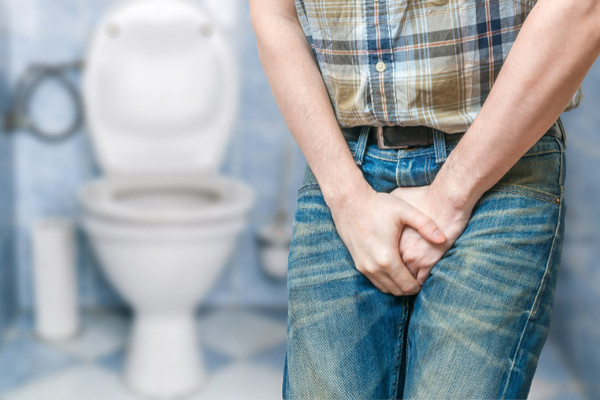
Still, extremes on either side can be worth noting. If you suddenly stop needing to pee at night after usually waking up, or if you experience other symptoms like swelling, fatigue, or very dark urine, it may be a good idea to pay closer attention or consult a healthcare professional.
So what’s the takeaway?
If you never pee at night and feel well-rested, hydrated, and healthy overall, it’s usually nothing to worry about. In fact, it may simply mean your body is well-regulated. But like many things in health, balance is key—listen to your body, stay hydrated, and don’t ignore sudden changes.
Your nighttime habits might seem small, but they can quietly reflect how your body is functioning as a whole.