Avoid Ginger If You Have These 5 Health Problems: What Doctors Want You to Know Before Your Next Cup of Ginger Tea
Ginger may look like an ordinary kitchen ingredient, but for people taking certain medications or living with specific health conditions, consuming too much could create unexpected problems.
For generations, ginger has been one of the most trusted ingredients in traditional home remedies. A few slices in hot water, a spoonful added to soup, or a little grated ginger mixed with honey are common ways people try to soothe an upset stomach, warm themselves during cold weather, or support their general well-being.
Its popularity is understandable. Ginger contains naturally occurring compounds, including gingerols and shogaols, that have been studied for their potential anti-inflammatory, antioxidant, and digestive effects.
Many people drink ginger tea every morning without experiencing any problems. Others use ginger when they feel nauseated, experience digestive discomfort, or want a flavorful alternative to sugary beverages.
But there is something that regular ginger drinkers may not realize.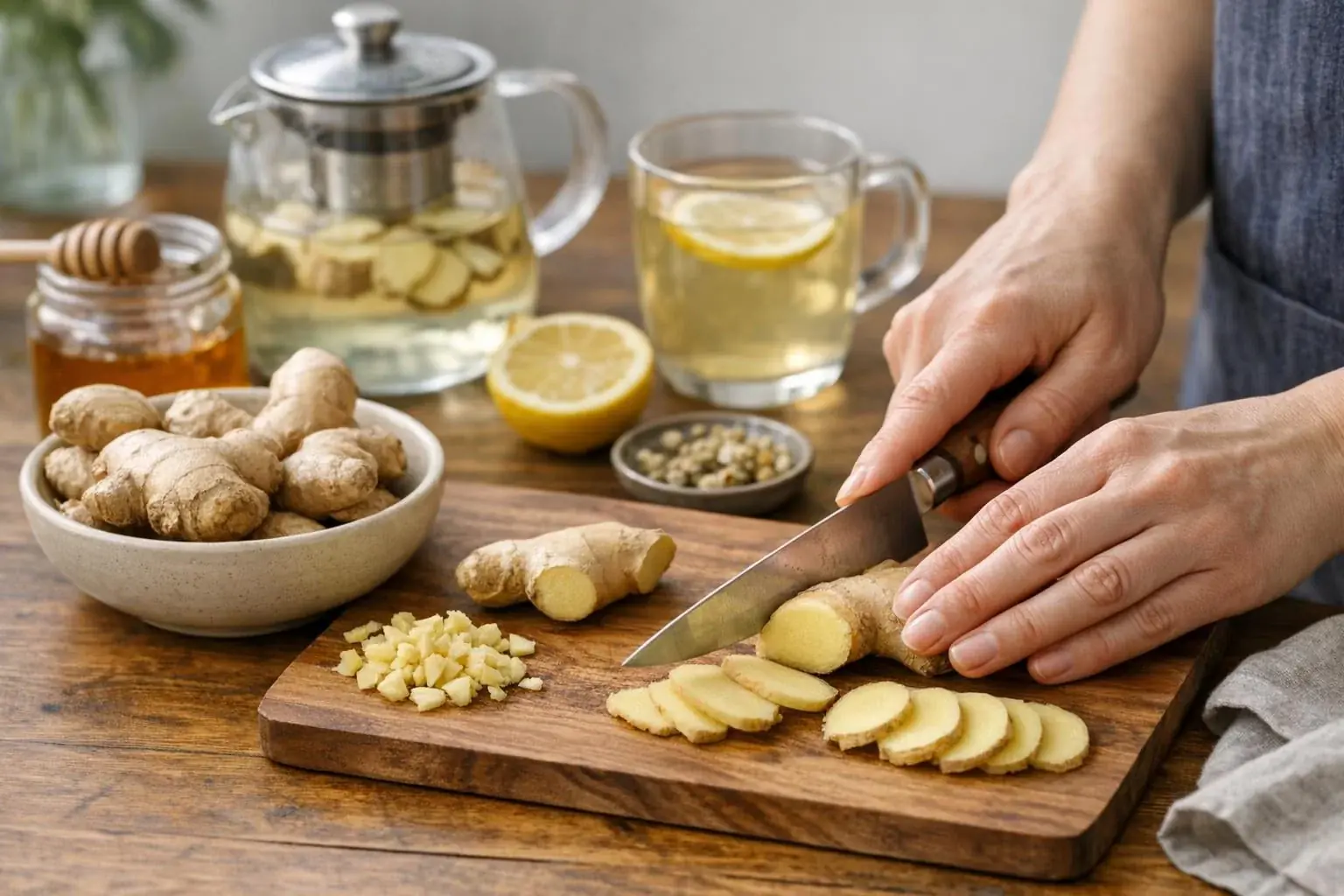
A natural ingredient is not automatically suitable for everyone.
The way ginger affects the body can depend on the amount consumed, the form in which it is taken, a person's existing health conditions, and the medications they use.
For example, someone who occasionally adds a small amount of fresh ginger to dinner may have a very different experience from someone who takes concentrated ginger capsules every day.
This distinction becomes especially important for people with bleeding disorders, gallstones, diabetes, low blood pressure, or persistent digestive problems.
Some of these conditions may require extra caution because ginger could potentially interact with medication or aggravate existing symptoms.
That does not mean everyone with these conditions must completely eliminate ginger from their diet. In many situations, the evidence is limited, and ordinary culinary amounts are different from concentrated supplements.
However, understanding the possible risks can help people make better decisions.
Before preparing another strong cup of ginger tea, consider these five situations in which a little extra caution may be worthwhile.
1. People With Bleeding Disorders or Those Taking Blood Thinners
One of the most important situations in which ginger deserves attention involves blood clotting.
Blood clotting is a natural protective mechanism. When someone gets a cut or suffers an injury, platelets and clotting proteins work together to limit blood loss.
However, people with certain medical conditions may have difficulty forming clots.
Others take prescription medications specifically designed to reduce clot formation because they have conditions such as atrial fibrillation, a history of blood clots, or an increased risk of stroke.
These medications can be essential for preventing serious complications.
The concern surrounding ginger is that some of its compounds may influence platelet activity and blood clotting processes.
Why Ginger May Matter
Ginger contains biologically active compounds that have been investigated for their potential effects on platelet aggregation.
Platelets are small blood components that help form clots.
Some laboratory and preliminary research suggests that ginger may interfere with certain processes involved in platelet activation.
This has led researchers to investigate whether concentrated ginger products could increase bleeding risks when combined with medications that already reduce clotting.
The concern is particularly relevant for people taking:
-
Warfarin.
-
Apixaban.
-
Rivaroxaban.
-
Dabigatran.
-
Aspirin prescribed for cardiovascular protection.
-
Clopidogrel.
-
Other anticoagulant or antiplatelet medications.
However, the evidence is not completely settled.
The European Medicines Agency has noted that studies examining ginger's effects on blood clotting are limited and have produced inconsistent findings. A clinically significant interaction has not been conclusively established.
Nevertheless, medical institutions such as Memorial Sloan Kettering Cancer Center recommend caution with concentrated ginger supplements in people with bleeding disorders or those taking blood-thinning medication.
Warning Signs That Should Not Be Ignored
People taking blood thinners should pay attention to unusual bleeding symptoms.
These may include:
-
Frequent nosebleeds.
-
Bleeding gums without an obvious reason.
-
Bruises appearing more easily than usual.
-
Cuts that take unusually long to stop bleeding.
-
Blood in the urine.
-
Black or tar-like stools.
-
Unusual or prolonged menstrual bleeding.
Vomiting blood, severe unexplained bleeding, or a sudden severe headache accompanied by neurological symptoms requires urgent medical assessment.
These symptoms should never automatically be blamed on ginger.
They can indicate a problem with medication, an underlying condition, or another medical emergency.
Does This Mean You Must Never Eat Ginger?
Not necessarily.
There is an important difference between eating ginger as part of an ordinary meal and taking a concentrated supplement.
A small amount of ginger used to flavor soup, vegetables, or fish generally provides much less concentrated exposure than capsules or strong extracts.
Nevertheless, people taking anticoagulants should discuss regular medicinal ginger use with their doctor or pharmacist.
They should never stop prescribed blood-thinning medication simply because they have read a warning about ginger.
The most important advice: If you take medication that reduces blood clotting, ask your healthcare professional before starting concentrated ginger supplements or regularly consuming large medicinal doses.
This is particularly important before surgery or dental procedures, when bleeding management becomes even more significant.
And bleeding is not the only concern.
There is another condition involving an organ responsible for digestion that may react differently to concentrated ginger products.
2. People With Gallstones or Certain Gallbladder Problems
The gallbladder is a small organ located beneath the liver.
Although it is relatively small, it performs an important digestive function by storing bile produced by the liver.
Bile helps the body digest and absorb dietary fats.
When someone eats a meal containing fat, the gallbladder contracts and releases bile into the digestive tract.
This process usually happens without people noticing.
However, problems can develop when substances in bile form hardened deposits known as gallstones.
Some gallstones remain inside the gallbladder without causing noticeable symptoms.
Others can block the flow of bile, leading to significant discomfort and potentially serious complications.
Why Ginger Is Sometimes a Concern
Ginger has traditionally been used to support digestion.
Some research and medical references suggest that ginger may influence bile secretion and digestive activity.
This is one reason concentrated ginger supplements may require caution in people with gallstones.