Avoid lying down immediately after eating.
Allowing time between meals and bedtime may reduce nighttime symptoms.
Identify individual food triggers.
Some people experience symptoms after consuming spicy dishes, fatty foods, coffee, chocolate, or acidic beverages.
However, triggers vary considerably.
Maintain a healthy weight where appropriate.
Excess abdominal pressure can contribute to reflux in some people.
Discuss persistent symptoms with a doctor.
Frequent heartburn may require medical evaluation and appropriate treatment.
When Should You Stop Drinking Ginger Tea?
If ginger repeatedly causes burning, nausea, abdominal pain, or diarrhea, reduce or stop consuming it and observe whether symptoms improve.
If the discomfort persists, seek medical advice rather than assuming that ginger is the only possible cause.
Difficulty swallowing, persistent vomiting, unexplained weight loss, gastrointestinal bleeding, or severe chest pain should never be ignored.
These symptoms may require prompt medical investigation.
For people with reflux, a simple glass of water or another beverage that does not trigger symptoms may be a more comfortable choice.
Why the Amount of Ginger You Consume Matters
After looking at these five health situations, one important question remains.
Is ginger itself dangerous, or is the problem mainly related to the amount consumed?
The answer is more complicated than many online headlines suggest.
Ginger is widely used as a food ingredient and has a long history of culinary consumption.
It is also available in concentrated forms, including:
-
Fresh ginger root.
-
Dried ginger powder.
-
Ginger tea.
-
Ginger capsules.
-
Liquid ginger extracts.
-
Concentrated ginger shots.
-
Herbal mixtures containing several ingredients.
These products do not necessarily provide the same exposure.
A small amount of ginger added to a pot of soup is very different from taking multiple concentrated capsules each day.
Fresh Ginger Versus Ginger Supplements
Fresh ginger contains naturally occurring compounds that contribute to its characteristic aroma and flavor.
When ginger is dried or processed, its chemical composition can change.
For example, some gingerols can transform into shogaols during drying and heating.
Concentrated supplements may also provide considerably larger quantities of selected compounds than ordinary foods.
This means the safety information for supplements should not automatically be applied to every culinary use of ginger.
The National Center for Complementary and Integrative Health explains that ginger has been studied in different preparations and that the quality of evidence varies depending on the health condition being investigated.
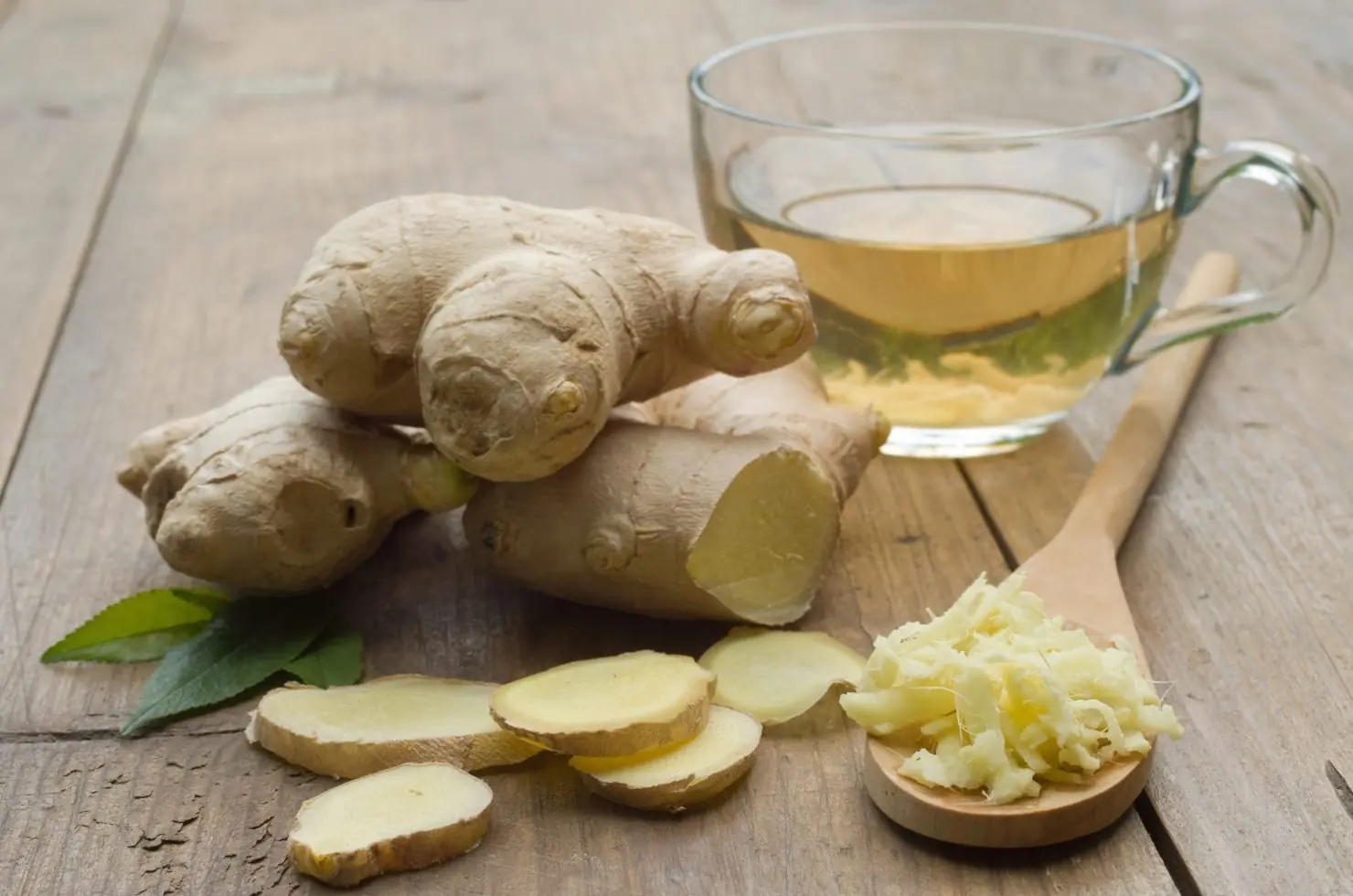
Why More Is Not Always Better
Some people assume that because ginger is natural, increasing the amount will produce greater health benefits.
That assumption is not supported by reliable evidence.
Higher intake may increase the likelihood of digestive side effects.
A medical review notes that larger amounts can aggravate gastrointestinal symptoms, including reflux, heartburn, and diarrhea.
More importantly, taking larger amounts can increase the possibility of interactions with medication.
People should therefore avoid treating concentrated herbal products as harmless simply because they are available without a prescription.
Is There a Universally Safe Daily Amount?
There is no single daily ginger dose that is appropriate for everyone.
Different studies have used different preparations and amounts.
An amount tolerated by one healthy adult may not be suitable for someone taking anticoagulants or managing several chronic conditions.
Age, medication use, kidney function, digestive sensitivity, and other health factors can all influence individual tolerance.
Anyone considering daily ginger supplementation should discuss the product and intended amount with a qualified healthcare professional.
What About People Who Have More Than One of These Health Problems?
This is an especially important question for older adults.
A person may have diabetes, high blood pressure, and cardiovascular disease at the same time.
Another person may have gallstones and take medication that affects blood clotting.
In these situations, evaluating ginger consumption becomes more complicated.
The concern is not necessarily one specific ingredient interacting with one specific condition.
It is the combination of several health factors.
For example, someone taking medication for diabetes and high blood pressure may need to consider the potential effects of a concentrated herbal supplement on both blood glucose and blood pressure.
Someone taking an anticoagulant who is also preparing for surgery may need additional precautions.
Why Medication Reviews Are Important
Many people do not consider herbal supplements when discussing their medication with a doctor.
They may mention prescription drugs but forget to report herbal teas, concentrated extracts, powders, or traditional home remedies.
This can create problems because healthcare professionals need to understand everything a person regularly consumes.
A medication review should include:
-
Prescription medications.
-
Over-the-counter medicines.
-
Herbal supplements.
-
Vitamins and minerals.
-
Concentrated teas and extracts.
-
Products marketed for digestion or weight management.
This is especially important for people taking several medications.
A pharmacist can also help identify possible interactions and determine whether a supplement should be avoided or monitored.
Do Not Stop Prescribed Treatment to Use Ginger
One of the most dangerous misunderstandings surrounding natural remedies is the belief that they can replace conventional treatment.
Ginger has been investigated for several health conditions, but the available research does not establish it as a replacement for anticoagulants, diabetes medication, cardiovascular treatment, or gallbladder care.
For example, someone taking warfarin to reduce the risk of a dangerous blood clot should never stop the medication and substitute ginger tea.
Similarly, someone with diabetes should not stop insulin or prescribed glucose-lowering medication because they have read that ginger may influence blood sugar.
The consequences could be serious.
Natural ingredients can sometimes complement a balanced lifestyle, but they should not replace treatments that are medically necessary.
How to Enjoy Ginger More Carefully
For people who do not have the health conditions discussed above, ginger can remain a useful and flavorful ingredient.
The goal is not to create unnecessary fear.
Instead, people should understand how to use it sensibly.
Choose Food Amounts Rather Than Concentrated Doses
For everyday cooking, small amounts of fresh ginger can add flavor to soups, stir-fries, fish, vegetables, and other meals.
This is generally a more conservative approach than taking high-dose supplements.
People with relevant medical conditions should still seek individualized advice.