Leaving the skin on a potato can therefore be a simple way to retain more of its fiber and other nutrients.
The skin should be washed and scrubbed thoroughly before cooking. If it is damaged, green, or unusually bitter, it is better to discard the affected potato rather than trying to hide the problem with seasoning.
Protein: A Small but Useful Contribution
Potatoes are not a high-protein food compared with beans, eggs, fish, or meat. Nevertheless, they contain some protein, and potato protein has a useful amino acid profile.
The amount is modest, so potatoes should not be considered a complete replacement for a main protein source in a meal.
Pairing them with lentils, beans, eggs, fish, poultry, tofu, or another protein-rich food can create a more balanced plate.
The nutritional strength of the potato lies in its combination of nutrients, affordability, and versatility—not in being the highest source of any single nutrient.
Health Benefit #1: Potatoes Can Help Support Healthy Blood Pressure
One of the most important reasons to reconsider potatoes is their potassium content.
Blood pressure is influenced by many factors, including genetics, age, physical activity, sodium intake, body weight, and the overall quality of the diet. Potassium is one piece of that larger picture.
The body uses potassium to help regulate the balance of fluids and electrolytes. It also contributes to the normal function of blood vessels, nerves, and muscles.
When dietary potassium intake is adequate, it can help counter some of the effects of excess sodium. This is one reason health organizations encourage people to eat a variety of potassium-containing foods, including vegetables, fruit, beans, and potatoes.
A potato is not a treatment for high blood pressure, and eating one does not guarantee lower blood pressure. The benefit comes from including potassium-rich foods within an overall dietary pattern that also limits excessive sodium.
Why the Cooking Method Matters
The potato’s natural nutrient profile can be changed by the way it is prepared.
A plain baked or boiled potato contains little sodium unless salt is added. Deep-fried potatoes, heavily salted chips, and restaurant-style potato dishes may contain considerably more sodium and added fat.
The Nordic Nutrition Recommendations 2023 report that potatoes contribute nutrients such as potassium, vitamin C, vitamin B6, dietary fiber, and several other vitamins and minerals. The same report distinguishes deep-fried potatoes from boiled potatoes when discussing associations with adverse health outcomes.
pub.norden.org
This is an important distinction. It suggests that the health implications of potatoes cannot be judged simply by their name.
For someone trying to improve blood pressure through diet, a baked potato with herbs and a small amount of olive oil may be a more suitable choice than a large serving of salty fries.
The potato can fit into a heart-conscious eating pattern, but it should be accompanied by other healthy habits, including regular physical activity, adequate sleep, and appropriate medical care when needed.
Health Benefit #2: Potatoes Can Contribute to Digestive Health
The digestive system depends on more than one type of nutrient. Fiber, water, and the activity of beneficial microorganisms all play important roles in maintaining normal bowel function.
Potatoes can contribute to digestive health through their fiber content, especially when eaten with the skin.
Dietary fiber adds bulk to stool and can help support regular bowel movements. Some forms of fiber are also fermented by bacteria in the large intestine, producing substances that may support the intestinal environment.
However, potatoes are not exceptionally high in fiber compared with foods such as beans, lentils, oats, chia seeds, or many vegetables. They are best viewed as one contributor to daily fiber intake rather than a complete solution for digestive problems.
The Skin Is Worth Keeping
Many people peel potatoes automatically before cooking them. While peeled potatoes can still provide valuable nutrients, removing the skin reduces the amount of fiber.
If the skin is clean and the potato is in good condition, leaving it on can be a practical way to improve the nutritional value of the meal.
For example, a baked potato can be served with plain yogurt, chopped herbs, beans, or cooked vegetables. These additions can provide additional fiber and protein without relying on large amounts of butter or cream.
People who have difficulty digesting certain foods may need to adjust their choices. Some individuals with sensitive digestive systems tolerate peeled potatoes more comfortably than potatoes with the skin. Personal tolerance matters, and there is no need to force a particular preparation if it causes discomfort.
A Surprising Connection: Resistant Starch
Potatoes contain starch, but not all starch behaves in exactly the same way during digestion.
Some starch is rapidly broken down into glucose in the small intestine. Another portion can resist digestion and reach the large intestine, where it may be fermented by gut bacteria. This is known as resistant starch.
Resistant starch is sometimes described as acting similarly to dietary fiber.
One interesting feature of potatoes is that some resistant starch can form after cooking and cooling. This process is called starch retrogradation.
When potatoes are cooked, their starch granules absorb water and change structure. As the potatoes cool, some of the starch molecules reorganize into a form that is less easily digested.
The amount of resistant starch formed depends on several factors, including the potato variety, cooking method, cooling time, and whether the potatoes are reheated.
The World Health Organization’s material on potatoes describes how cooling cooked potatoes can lead to retrograded starch that is not digested in the small intestine but can be fermented in the colon.
Iris
This does not mean that cold potatoes are a cure for digestive problems. It does mean that the nutritional properties of potatoes can change after cooking, making them more interesting than a simple carbohydrate label might suggest.
Freshly boiled potatoes with herbs, served simply
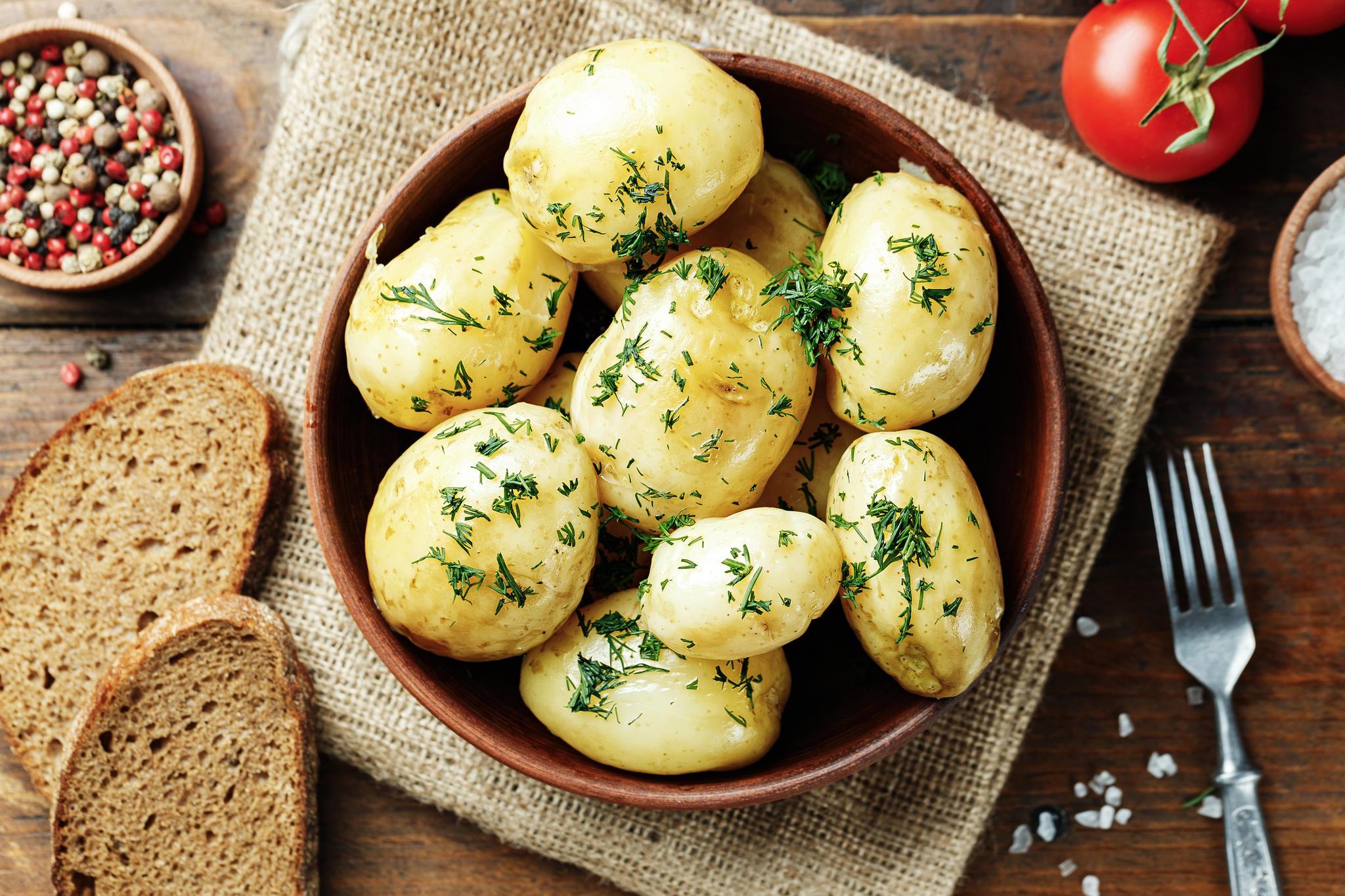
Freshly boiled potatoes with herbs show how a simple preparation can keep the dish focused on the potato itself rather than heavy sauces or excessive toppings.
Health Benefit #3: Potatoes Provide Energy for Everyday Activities
Carbohydrates are one of the body’s main sources of energy. They are particularly important for the brain and for physical activity.
Potatoes provide carbohydrates primarily in the form of starch. During digestion, much of that starch is broken down into glucose, which the body can use for energy.
This is why potatoes have been a staple food in many parts of the world for generations. They are filling, relatively inexpensive, and can be grown in a wide range of climates.
The American Heart Association explains that potatoes contain complex carbohydrates and can provide energy as part of a balanced diet.
American Heart Association
Energy Does Not Automatically Mean Weight Gain
A common misconception is that any food containing carbohydrates will cause weight gain.
In reality, body weight is influenced by overall energy intake, energy expenditure, eating patterns, sleep, activity, and many other factors.
A potato contains calories, just as rice, bread, oats, and other staple foods do. Those calories are not inherently harmful.
The question is whether the portion fits the person’s needs and whether the meal provides a good balance of nutrients.
A moderate serving of potatoes alongside vegetables and protein can be a satisfying meal. A very large serving of fries with several calorie-dense toppings may provide far more energy than a person intended to eat.