Cut potatoes into pieces, toss them with a modest amount of olive oil, and season with garlic, rosemary, paprika, or black pepper.
Spread them in a single layer so they cook evenly. Using too much oil can increase calories considerably, so a light coating is usually sufficient.
Roasted potatoes can be served with fish, poultry, beans, or vegetables.
4. Homemade Potato Wedges
Potato wedges can be made at home with much less oil than traditional deep-fried versions.
Wash the potatoes, cut them into wedges, and leave the skin on if it is clean and in good condition. Toss with a small amount of oil and seasonings, then bake until tender and lightly browned.
This preparation still contains carbohydrates and calories, but it can be a more balanced option than a large serving of restaurant fries.
5. Potato Salad
Potato salad can be a useful way to enjoy cooled potatoes.
A lighter version can include chopped vegetables, herbs, beans, and a dressing based on plain yogurt or a modest amount of olive oil.
Traditional potato salads made with large quantities of mayonnaise, bacon, or salty processed ingredients can be much higher in calories and sodium.
The ingredients matter just as much as the potato.
What About French Fries and Potato Chips?
Potatoes are not automatically unhealthy, but deep-fried potato products deserve a different discussion.
French fries and potato chips often contain added oil and salt. Because they are energy-dense, it can be easy to consume a large number of calories without feeling as full as you might after eating a whole potato.
Frequent consumption of heavily fried foods may also be associated with less favorable health outcomes, depending on the overall dietary pattern.
This does not mean that a person must never eat fries or chips again.
A balanced approach allows occasional enjoyment while making simpler potato preparations the more regular choice.
The distinction is between a food that can fit into a varied diet and a pattern in which highly processed or deep-fried foods dominate.
Who Should Be Careful With Potatoes?
Although potatoes can be nutritious, they are not suitable in unlimited amounts for everyone.
People With Diabetes
Potatoes contain carbohydrates that can raise blood glucose.
People with diabetes may need to consider portion size, preparation method, and how potatoes fit into their individualized meal plan.
A smaller serving paired with protein and non-starchy vegetables may be more suitable than a large potato eaten alone.
People With Kidney Disease
Potatoes are rich in potassium.
For people with chronic kidney disease or certain other medical conditions, the body may not remove potassium effectively. Some medications can also increase potassium levels.
These individuals may need to limit potassium-rich foods, depending on their laboratory results and treatment plan.
They should not assume that a food recommended for general heart health is automatically appropriate for their specific medical condition.
People Trying to Manage Their Weight
Potatoes can fit into a weight-management plan, but portion size and toppings matter.
A plain potato is relatively low in fat. A potato covered in butter, cream, cheese, and bacon can contain substantially more calories.
People who are trying to manage their weight may find it useful to choose a moderate portion and build the meal around vegetables and protein.
People With Food Sensitivities
Most people tolerate potatoes well, but individual responses can differ.
Some people may experience digestive discomfort with certain preparations, especially when potatoes are combined with rich sauces or large amounts of fat.
If a particular preparation repeatedly causes symptoms, it may be worth discussing the pattern with a healthcare professional rather than assuming that every potato dish will have the same effect.
A selection of fresh potatoes ready for cooking
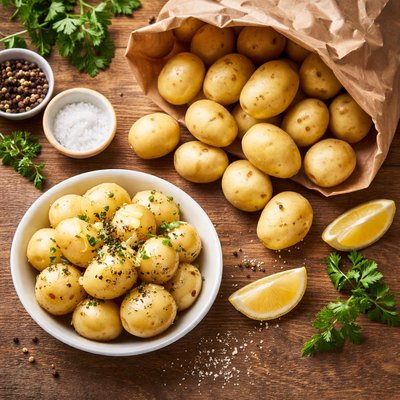
Fresh potatoes can be used in many simple meals. Choosing fresh ingredients and preparing them with moderate amounts of oil and salt can help keep the finished dish balanced.
How to Choose and Store Potatoes Properly
The nutritional value of potatoes also depends on choosing good-quality produce and storing it correctly.
When shopping, look for potatoes that are firm and relatively smooth. Avoid potatoes that are badly damaged, moldy, soft, or showing extensive green discoloration.
Why Green Potatoes Should Not Be Ignored
Potatoes can develop green areas when exposed to light. The green color itself comes from chlorophyll, but greening can occur alongside increased levels of natural compounds called glycoalkaloids, including solanine.
These compounds can cause illness when consumed in excessive amounts.
A potato with extensive greening, a bitter taste, or significant sprouting should not be treated as an ordinary potato. It is safer to discard it.
Harvard’s Nutrition Source also advises consumers to select potatoes without green discoloration and to avoid eating potatoes that may contain excessive levels of these compounds.
The Nutrition Source
Store Potatoes in a Cool, Dark Place
Potatoes generally keep best in a cool, dark, dry location with good ventilation.
A paper bag, mesh bag, or ventilated basket can help prevent moisture from accumulating. Avoid storing potatoes in direct sunlight or in a warm place near cooking equipment.
Check stored potatoes periodically and remove any that begin to spoil.
Proper storage helps preserve quality and reduces unnecessary food waste.
A Simple Potato Meal That Puts Nutrition First
A balanced potato meal does not need to be complicated.
Try a medium baked potato with its skin, a serving of beans or grilled fish, and a generous portion of cooked vegetables.
Add a small amount of olive oil, lemon juice, or plain yogurt for flavor. Season with herbs and spices instead of relying heavily on salt.
This type of meal provides carbohydrates from the potato, protein from the beans or fish, and additional fiber and micronutrients from the vegetables.
It is also adaptable. The potato can be replaced with boiled potatoes, roasted wedges, or cooled potatoes in a salad.
The goal is not to follow a rigid recipe. It is to create a meal that provides a variety of nutrients and is enjoyable enough to become part of a sustainable eating pattern.
The Bottom Line: Potatoes Deserve a Place at the Table
Potatoes have often been judged by the foods they are turned into rather than by their own nutritional qualities.
A plain potato provides potassium, vitamin C, vitamin B6, carbohydrates, and fiber, particularly when the skin is eaten. It can contribute to energy needs, support normal muscle and nerve function, and help make a meal satisfying.
Potatoes also contain plant compounds, and cooking and cooling can change the structure of their starch. These characteristics make them more nutritionally interesting than their reputation might suggest.
Still, potatoes are not a miracle food. They do not cure high blood pressure, guarantee weight loss, or eliminate the need for a varied diet. People with diabetes or kidney disease may need to pay particular attention to portions and potassium intake.
The most useful message is a simple one: you do not need to fear potatoes, but you should understand how to prepare them.
Choose fresh potatoes, keep the skin when appropriate, use moderate amounts of oil and salt, and pair them with vegetables and protein. Make baked, boiled, or lightly roasted potatoes regular options, while enjoying heavily fried versions less often.
A familiar food does not need to be fashionable to be valuable. Sometimes, the most sensible nutrition advice is to look again at what has been on the dinner table for generations.