In a study involving older adults participating in a two-year walnut intervention, researchers found that the group consuming walnuts had lower dietary inflammatory scores than the comparison group.
However, the researchers were assessing the inflammatory potential of dietary patterns, not demonstrating that walnuts directly eliminated inflammation throughout the body.
This is an encouraging finding, but it needs to be interpreted correctly.
Why is this relevant to healthy aging?
As people age, maintaining good metabolic and cardiovascular health becomes increasingly important.
A dietary pattern that emphasizes vegetables, fruits, whole grains, legumes, unsaturated fats and nuts may help support several aspects of long-term health.
Walnuts fit naturally into this pattern.
They are especially useful as a replacement for snacks containing large quantities of refined carbohydrates, added sugar or saturated fat.
The benefit comes not only from what walnuts contain, but also from what they replace.
For example, replacing a pastry with a small serving of walnuts and fresh fruit changes the nutritional composition of a snack considerably.
It provides more unsaturated fat, some fiber and additional plant compounds.
That does not make pastries forbidden or walnuts a medical treatment.
It simply illustrates how everyday food choices can gradually influence the quality of an overall diet.
6. What About Blood Sugar and Metabolic Health?
Blood sugar management is another area where walnuts have attracted research attention.
Blood glucose provides energy for the body's cells. However, consistently elevated blood glucose can contribute to health complications over time, particularly in people with diabetes.
Dietary choices influence blood glucose in different ways.
Foods containing large quantities of rapidly digested carbohydrates may produce a faster increase in blood glucose than foods containing more fiber, fat and protein.
Walnuts are naturally low in carbohydrates compared with many common snack foods.
They contain predominantly unsaturated fats, along with some protein and fiber.
Because of this composition, adding a moderate amount of walnuts to a meal can change its overall nutritional balance.
For example, a breakfast consisting only of sweetened cereal may contain a substantial amount of rapidly absorbed carbohydrates.
Adding plain yogurt, fresh fruit and a small serving of walnuts provides additional protein, fiber and healthy fats.
This can make the meal more balanced.
Some studies have examined whether walnut consumption influences insulin sensitivity and other markers of metabolic health.
The results are promising in certain areas but are not completely consistent.
A short-term randomized trial published in 2025 examined daily walnut consumption in adults with at least one altered metabolic syndrome parameter.
The study involved a relatively small group of participants and lasted four weeks.
Researchers observed a statistically significant reduction in waist circumference, while other metabolic measurements showed more limited or inconclusive changes.
The authors emphasized that longer studies involving more participants are needed.
For people with diabetes, walnuts can be a useful snack option, particularly when they replace foods containing large quantities of added sugar.
However, portion size remains important.
Walnuts contain a substantial amount of energy because fats are calorie-dense.
They should be incorporated into an appropriate eating plan rather than added without considering total calorie intake.
People using insulin or glucose-lowering medication should continue following their prescribed treatment and monitoring recommendations.
Walnuts are food, not a substitute for diabetes medication.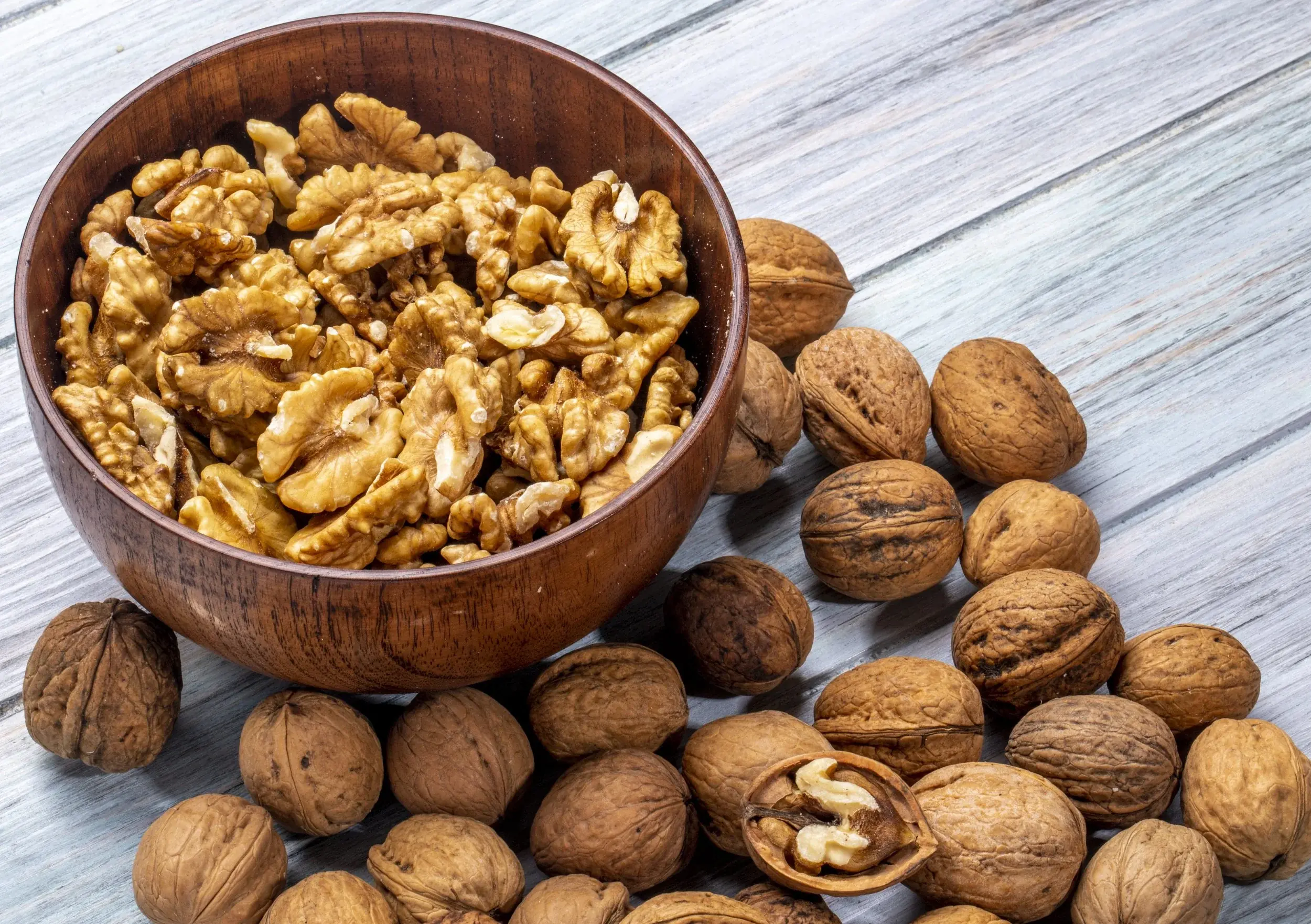
7. A Small Nutritional Package With Several Important Minerals
The benefits of walnuts are not limited to omega-3 fatty acids and antioxidants.
They also provide several minerals that participate in normal bodily functions.
Magnesium
Magnesium is involved in hundreds of biochemical reactions.
It contributes to normal muscle and nerve function, energy metabolism and the maintenance of normal bones.
Adequate magnesium intake is important throughout adulthood, particularly when dietary variety becomes limited.
Copper
Copper is an essential trace mineral involved in energy production, connective tissue formation and normal iron metabolism.
It also contributes to the function of antioxidant enzymes.
Manganese
Manganese participates in bone formation, metabolism and antioxidant defense systems.
Walnuts provide a useful dietary source of this mineral.
Phosphorus
Phosphorus is needed for healthy bones and teeth and plays a role in energy storage and cellular function.
Vitamin B6
Walnuts provide small quantities of vitamin B6, which is involved in protein metabolism and normal nervous system function.
Plant-based protein
Walnuts also contain protein, making them a useful addition to meals that include other plant foods.
However, they should not be considered a complete replacement for major protein sources such as eggs, fish, dairy products, beans or other foods.
The important point is that walnuts contribute several nutrients at once.
Instead of focusing on one isolated compound, it is more useful to consider their overall nutritional profile.
That is one reason they can fit into many different eating patterns.
8. How Many Walnuts Should You Eat Every Day?
This is perhaps the most practical question for anyone hoping to enjoy the benefits described above.
Walnuts are nutritious, but they are also energy-dense.
Eating large quantities does not necessarily provide additional health benefits, and it can make it easier to consume more calories than intended.
For most healthy adults, a serving of approximately one ounce, or 28 grams, is a reasonable starting point.
That is roughly:
-
12–14 walnut halves.
-
A small handful of walnut pieces.
-
Approximately one-quarter cup, depending on how the pieces are measured.
A one-ounce serving generally provides around 185 calories, approximately four grams of protein, two grams of fiber and a substantial amount of unsaturated fat.
It also provides approximately 2.5 grams of plant-based omega-3 ALA.
These amounts can vary slightly according to the size and variety of the walnuts.
Why is one handful enough?
The goal is to make walnuts part of a balanced diet rather than treating them as an unlimited snack.
For someone who already eats other nuts, seeds, avocado, olive oil and fatty fish, walnuts should be considered within the context of total dietary intake.
A person who rarely eats nuts may find that a small daily portion is an easy way to improve the nutritional quality of their meals.
Older adults who have difficulty maintaining their weight may have different energy requirements from people trying to manage excess body weight.
Therefore, the ideal portion is not identical for everyone.
A registered dietitian can help determine an appropriate amount based on individual nutritional needs.