Gout Is Becoming More Common — People With Gout Should Avoid These Foods
Gout is a painful form of arthritis that affects millions of people worldwide, and doctors say the number of cases has been increasing in recent years.
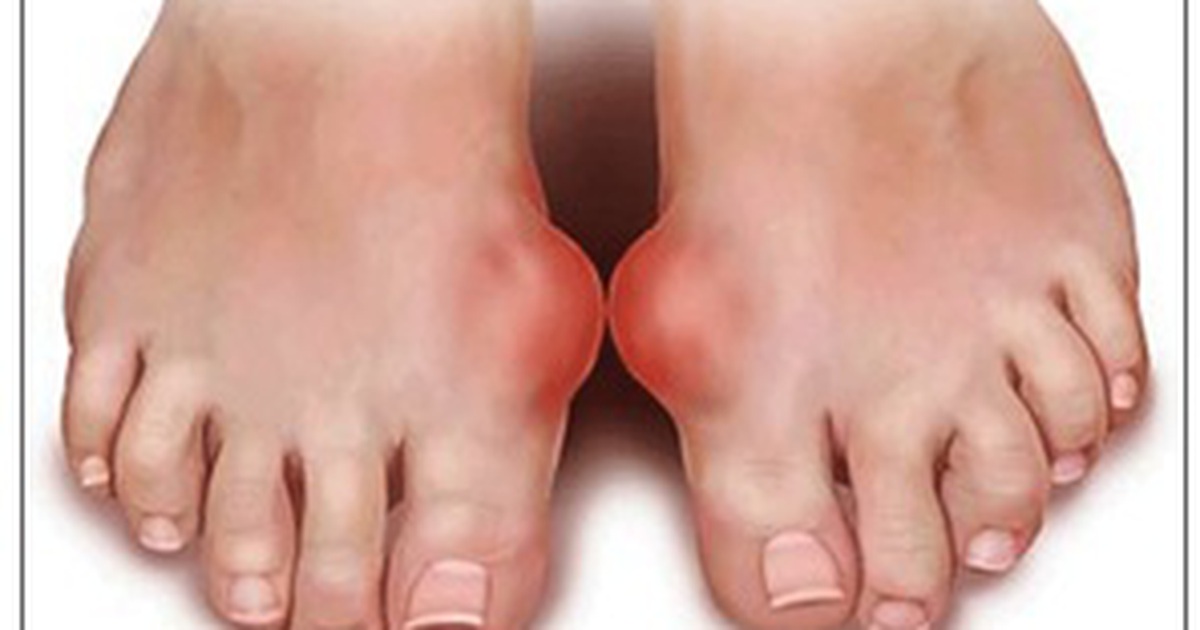
This condition develops when uric acid levels become too high in the body. Excess uric acid can form sharp crystals inside the joints, leading to sudden attacks of pain, swelling, redness, and stiffness.
The big toe is one of the most commonly affected areas, but gout can also affect the ankles, knees, wrists, fingers, and elbows.
While genetics and certain medical conditions may increase the risk, diet plays a major role in gout flare-ups. Doctors say some foods can significantly raise uric acid levels and trigger painful attacks.
Here are some of the main foods people with gout are often advised to limit or avoid.
What Causes Gout?
Uric acid is produced when the body breaks down substances called purines, which are naturally found in many foods.
Normally, uric acid dissolves in the blood and leaves the body through urine. But when too much builds up, crystals may form in the joints.
Several factors may increase the risk of gout, including:
- Obesity
- High blood pressure
- Kidney disease
- Diabetes
- Alcohol consumption
- Diet high in purines
- Family history
1. Organ Meats
Organ meats are among the highest-purine foods.
These include:
- Liver
- Kidneys
- Heart
- Sweetbreads
Because they contain large amounts of purines, they may sharply increase uric acid levels.
Doctors often recommend avoiding organ meats completely if you have gout.
2. Certain Seafood
Some types of seafood are particularly high in purines and may trigger gout attacks.
Examples include:
- Sardines
- Anchovies
- Mackerel
- Herring
- Mussels
- Scallops
While seafood contains healthy nutrients, moderation is important for people with gout.
3. Red Meat
Frequent consumption of large amounts of red meat may contribute to elevated uric acid levels.
This includes:
- Beef
- Lamb
- Pork
Doctors generally recommend limiting portion sizes and choosing leaner protein sources more often.
4. Sugary Drinks and Soft Drinks
Beverages sweetened with fructose are strongly linked to increased uric acid production.
These include:
- Soda
- Sweetened fruit drinks
- Energy drinks
- Highly sweetened teas
Excess sugar may worsen inflammation and increase gout risk.
Water is considered one of the best drinks for people with gout because it helps flush uric acid from the body.
5. Alcohol
Alcohol, especially beer, is a major trigger for gout attacks in many people.
Alcohol may:
- Increase uric acid production
- Reduce the body’s ability to eliminate uric acid
- Contribute to dehydration
Heavy alcohol consumption is strongly associated with recurrent gout flare-ups.
6. Processed and Fast Foods

Highly processed foods often contain unhealthy fats, excess sodium, and ingredients that may worsen inflammation.
Examples include:
- Fast food
- Processed meats
- Fried foods
- Packaged snacks
These foods may also contribute to obesity, which increases gout risk.
Foods That May Be Better Choices
Doctors often recommend a more balanced diet rich in:
- Vegetables
- Fruits
- Whole grains
- Low-fat dairy
- Nuts
- Water
Some studies suggest cherries, coffee, and vitamin C-rich foods may help support healthy uric acid levels in certain individuals.
Lifestyle Habits That May Help Reduce Gout Attacks
In addition to diet, experts recommend:
- Staying hydrated
- Maintaining a healthy weight
- Exercising regularly
- Limiting alcohol
- Managing blood pressure and blood sugar
Sudden crash diets and fasting may actually worsen gout in some cases.
When to See a Doctor
People should seek medical advice if they experience:
- Sudden severe joint pain
- Swelling and redness
- Recurrent flare-ups
- Fever with joint pain
Untreated gout may eventually damage joints and reduce mobility.
Final Thoughts
Gout is becoming increasingly common, but healthy lifestyle choices may help reduce flare-ups and improve quality of life.
Certain foods — especially those high in purines, sugar, and alcohol — may significantly worsen symptoms in some individuals. Paying attention to diet and hydration may make a major difference in managing the condition.
If you have frequent gout attacks or elevated uric acid levels, speaking with a healthcare professional can help you develop a safer and more effective long-term plan.