35. The Best Banana Is the One That Fits Your Needs
There is no universal winner between green and ripe bananas.
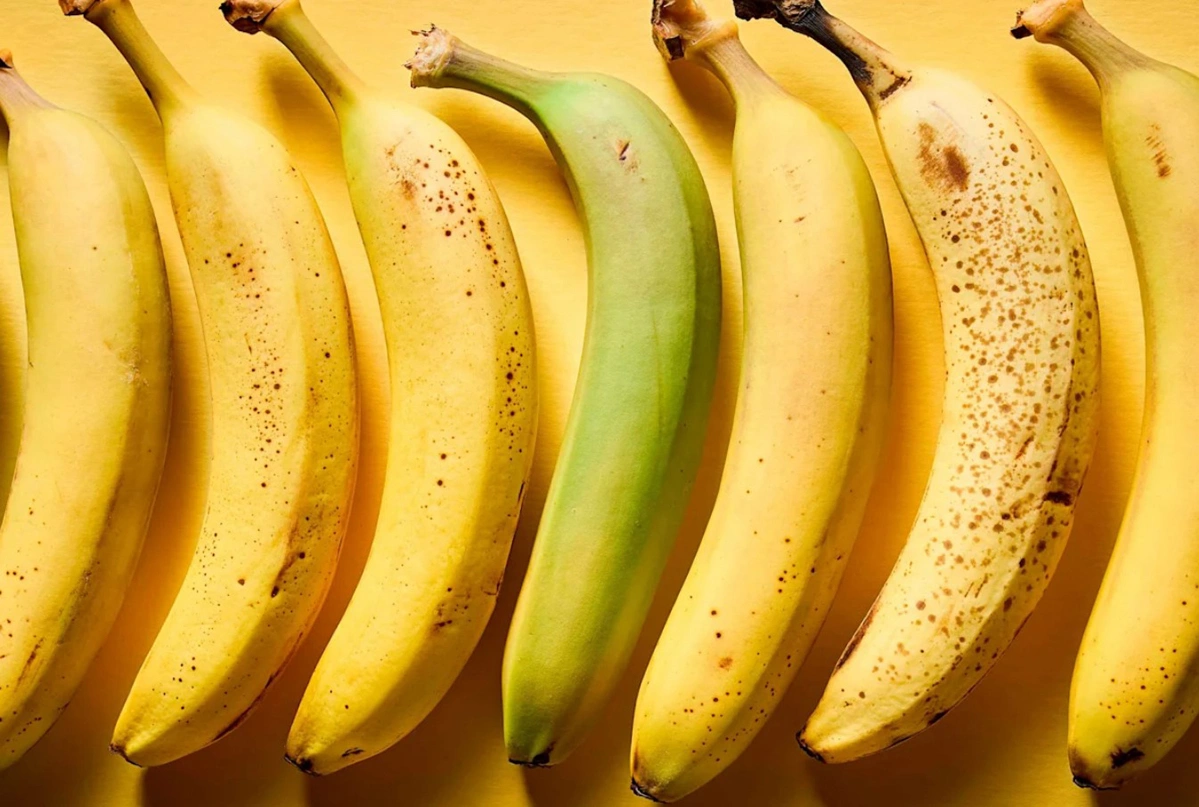
Choose greener fruit if you prefer a firmer texture and want more resistant starch.
Choose a yellow banana if you want a balanced combination of starch and sweetness.
Choose a more ripe banana if you prefer a softer, sweeter fruit and tolerate it well.
The idea that one stage is universally healthier is too simplistic.
36. What If Bananas Make You Feel Better—but Only Temporarily?
A banana can provide carbohydrates and may relieve hunger if you haven't eaten for a while.
That can make you feel more energetic temporarily.
But if you regularly experience fatigue, dizziness, weakness, or shakiness between meals, don't assume you simply need more bananas.
Persistent symptoms can have many causes, including anemia, sleep problems, blood sugar disorders, thyroid issues, medication effects, dehydration, and other medical conditions.
Food can address hunger.
It cannot diagnose an underlying health problem.
37. Listen to Your Own Digestive System
Nutrition advice should never completely override your personal experience.
If bananas make you feel satisfied and comfortable, that's useful information.
If they consistently cause bloating or another symptom, that's also useful information.
Try changing:
- Portion size
- Ripeness
- Meal timing
- What you eat with the banana
- How quickly you eat
If symptoms continue despite changes, talk to a healthcare professional.
38. A Banana Can Be Part of a Healthy Daily Routine
There is no requirement to eat bananas every day.
You can rotate them with other fruits.
Apples.
Oranges.
Berries.
Kiwi.
Pears.
Mangoes.
Melons.
Different fruits provide different combinations of nutrients and plant compounds.
Eating a wide variety may be more beneficial than becoming dependent on one fruit.
So the question doesn't have to be:
“Should I eat a banana every single day?”
A better question is:
“Is a banana a convenient and nutritious part of the variety of foods I already eat?”
For many people, the answer is yes.
39. A Simple Daily Banana Habit
If you enjoy bananas, there is no need to make the habit complicated.
You could:
Have one with breakfast.
Add sliced banana to oatmeal.
Pair it with plain yogurt.
Eat one with a handful of nuts.
Blend it into a balanced smoothie.
Freeze slices for a homemade snack.
Use ripe bananas to add sweetness to baked foods while reducing some of the added sugar.
Simple habits are often easier to maintain than complicated nutritional routines.
40. The Bigger Picture Matters More Than the Banana
Ultimately, your health will not be determined by whether you eat one banana every day.
It will be influenced by the total pattern of your diet and lifestyle.
Do you eat enough vegetables?
Do you get adequate protein?
Do you consume enough fiber?
Do you move regularly?
Do you sleep adequately?
Do you smoke?
How much alcohol do you drink?
How is your blood pressure?
How are your cholesterol and blood glucose levels?
Are you managing chronic conditions appropriately?
Those questions matter much more than whether your banana is green or yellow.
The Bottom Line
Eating a banana every day can be a healthy habit for many people.
Bananas provide carbohydrates for energy, dietary fiber, potassium, vitamin B6, and other nutrients. Their convenience makes them an easy snack or addition to breakfast, and their natural sweetness can help replace some highly processed sweet foods.
The ripeness of the banana also matters. Greener bananas generally contain more resistant starch, while ripening converts more starch into simpler sugars.
But bananas aren't magic.
They do not automatically lower blood pressure, cure digestive problems, stop muscle cramps, improve sleep, or “detox” the body.
For some people, large amounts may contribute to bloating or other digestive symptoms. People with certain kidney conditions or potassium restrictions may also need to limit bananas, depending on their individual medical advice.
The healthiest approach is simple:
Enjoy bananas as part of a varied diet.
Pair them with protein-rich foods when you want a more filling meal. Combine them with oats, nuts, seeds, yogurt, or other nutrient-rich ingredients. Continue eating a variety of fruits and vegetables rather than relying on bananas alone.
And remember one of the most important principles in nutrition:
A healthy food does not become healthier simply because you eat more of it.
One banana can be a convenient, nutritious choice.
A balanced diet is what turns that small choice into a meaningful contribution to your health.