Why Some People Need to Go to the Bathroom Immediately After Eating — Explained by Doctors
Have you ever finished a meal and suddenly felt an urgent need to rush to the bathroom?
Many people worry that food is “going straight through” their body too quickly. But according to doctors, that is usually not what’s happening.
In most cases, the urge to have a bowel movement shortly after eating is caused by a completely normal digestive response known as the gastrocolic reflex.
What Is the Gastrocolic Reflex?
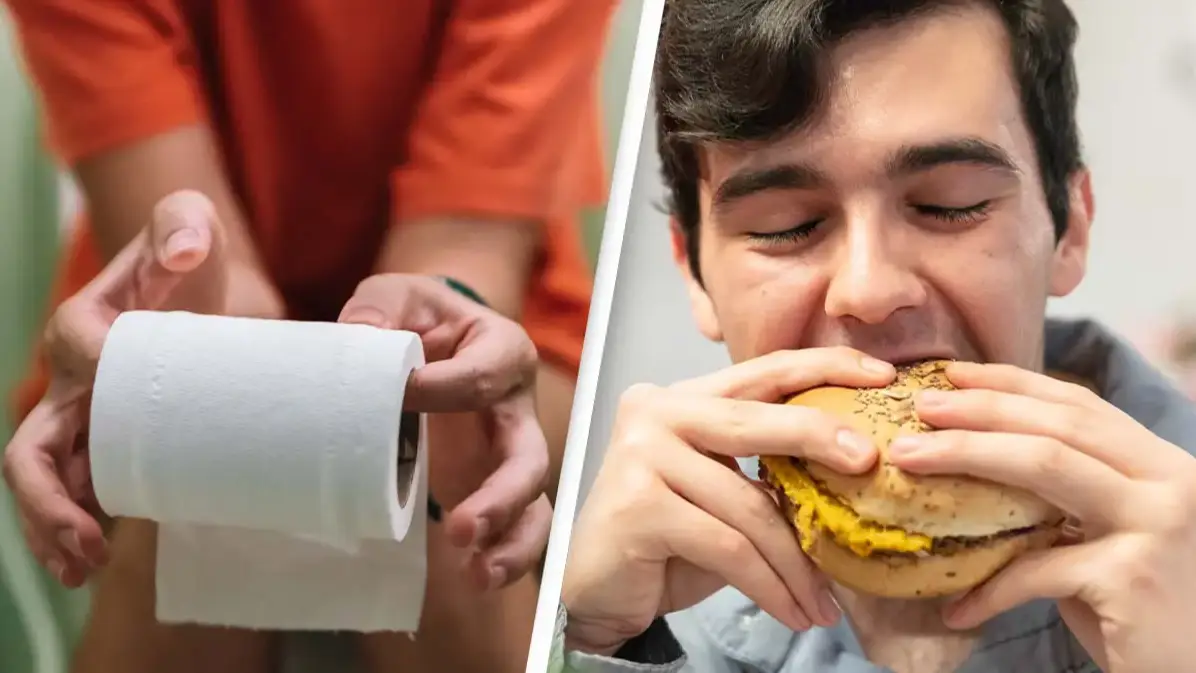
The gastrocolic reflex is a natural reaction that occurs when food enters the stomach. As the stomach stretches to make room for food, signals are sent to the colon, triggering muscle contractions that move existing waste through the intestines. This process helps create space for incoming food.
According to the Cleveland Clinic, this reflex is a normal part of digestion and can begin within minutes after eating. It does not mean the food you just ate has already passed through your body. In reality, digestion usually takes one to two days.
Why Does It Happen More to Some People?
Although everyone has a gastrocolic reflex, some people experience it more strongly than others.
Doctors say several factors can make the reflex more active:
- Large meals
- Fatty or greasy foods
- Spicy foods
- Coffee or caffeine
- Stress and anxiety
- Food sensitivities
- Digestive disorders such as Irritable Bowel Syndrome (IBS)
People with IBS often experience stronger colon contractions after eating, leading to cramping, diarrhea, bloating, or sudden bathroom urgency.
Does This Mean Food Is Passing Through Too Fast?

Not usually.
Experts explain that the bowel movement after eating is generally made up of food consumed many hours — or even days — earlier. The new meal simply triggers the colon to clear out older waste already waiting in the digestive tract.
The human digestive system is long and complex, so food cannot travel through the entire body within just a few minutes.
When Should You Be Concerned?
Occasional bathroom urgency after meals is typically harmless. However, doctors recommend seeking medical advice if symptoms become frequent or severe, especially if they are accompanied by:
- Chronic diarrhea
- Blood in the stool
- Unexplained weight loss
- Severe stomach pain
- Fever
- Fatigue
- Ongoing bloating
These symptoms may indicate conditions such as IBS, inflammatory bowel disease (IBD), infections, or other digestive disorders.
How to Reduce the Urge to Poop After Eating

Doctors and digestive health experts recommend several lifestyle changes that may help calm an overactive gastrocolic reflex:
Eat Smaller Meals
Large meals stretch the stomach more and can trigger stronger colon contractions.
Limit Trigger Foods
Greasy foods, spicy dishes, caffeine, and alcohol may worsen symptoms in sensitive individuals.
Reduce Stress
The digestive system is closely connected to the nervous system. Anxiety and stress can make bowel urgency worse.
Increase Fiber Carefully
Fiber helps regulate digestion, but increasing it too quickly may temporarily worsen symptoms for some people.
Stay Hydrated
Proper hydration supports healthy bowel movements and digestion.
Final Thoughts
Needing to use the bathroom shortly after eating is often caused by the body’s normal digestive reflexes. For many people, it is harmless and simply part of how the digestive system works.
However, if the urge becomes frequent, painful, or disruptive to daily life, it may be worth discussing with a doctor to rule out underlying digestive conditions.
Sources:
- Cleveland Clinic
- Healthline
- Medical News Today
- StatPearls / NCBI Bookshelf