Your bathroom habits may not be the kind of thing you normally discuss with other people.
But doctors often pay close attention to them.
Changes in bowel movements can sometimes provide important clues about what's happening inside the digestive system. Most changes are caused by relatively common problems such as diet, stress, infections, hemorrhoids, medications, or temporary digestive disturbances.
However, persistent or unexplained changes in bowel habits can sometimes be associated with colorectal cancer, which includes cancers of the colon and rectum.
The key word is persistent.
A single unusual bowel movement doesn't mean you have cancer. Even blood in the stool has many possible explanations. But when a new change continues, repeatedly returns, becomes progressively worse, or appears alongside other concerning symptoms, it deserves medical attention.
Here are 4 bathroom changes worth knowing about.
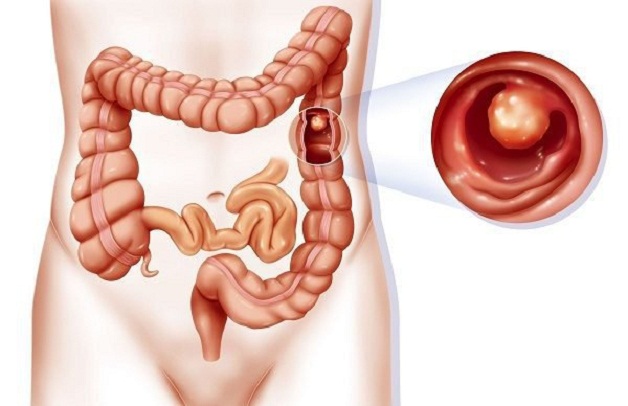
1. A Persistent Change in Your Bowel Habits
One of the most important warning signs is a new and persistent change in how often or how easily you have bowel movements.
You may notice that you're suddenly:
-
Going to the bathroom much more frequently
-
Becoming unusually constipated
-
Having repeated episodes of diarrhea
-
Alternating between constipation and diarrhea
-
Experiencing bowel movements that are consistently different from your normal pattern
Everyone experiences occasional changes.
You might become constipated after traveling, develop diarrhea after eating contaminated food, or notice temporary changes after changing your diet.
Those situations aren't automatically concerning.
The issue is when your normal bowel pattern changes without an obvious explanation and doesn't return to normal.
A persistent change may occur because a tumor or other condition affects the passage of stool through the colon, but many non-cancerous conditions can cause the same symptoms.
That's why evaluation—not self-diagnosis—is important.
2. Blood in Your Stool or Rectal Bleeding
Seeing blood after using the bathroom can be frightening.
But blood in the stool doesn't automatically mean colorectal cancer.
Common causes include:
-
Hemorrhoids
-
Anal fissures
-
Constipation
-
Inflammatory bowel disease
-
Intestinal infections
-
Polyps
-
Colorectal cancer
The appearance of the blood can sometimes provide clues, although it cannot establish the cause by itself.
Bright-red blood may come from the lower portion of the digestive tract, including the rectum or anus.
Darker or black, tar-like stool can indicate bleeding higher in the digestive tract and requires medical evaluation.
Sometimes colorectal bleeding is not visible at all.
Small amounts of blood can be lost gradually over time, potentially contributing to iron-deficiency anemia.
That's one reason someone can have a colorectal problem without ever noticing obvious blood in the toilet.
Don't simply assume it's hemorrhoids
This is particularly important.
If you've had hemorrhoids before, it can be tempting to automatically blame any rectal bleeding on them.
But a new or persistent bleeding pattern should still be evaluated, particularly if you're also experiencing changes in bowel habits, unexplained weight loss, abdominal symptoms, or unusual fatigue.
3. Narrower or Unusually Shaped Stools
Another commonly discussed change is a noticeable alteration in stool shape.
Some people notice stools becoming:
-
Narrower than usual
-
Ribbon-like
-
More difficult to pass
-
Different in shape for an extended period
A temporary change in stool shape isn't necessarily significant.
The shape of stool can change because of diet, constipation, stool consistency, and normal variations in bowel movements.
However, a persistent change accompanied by other symptoms deserves attention.
In some cases, narrowing can occur when something affects the space through which stool passes.
A colorectal tumor is one possible cause, but it is far from the only one.
Therefore, stool shape should be considered as part of the bigger picture rather than used as a stand-alone cancer test.
4. Feeling Like You Still Need to Go After Using the Bathroom
Have you ever finished a bowel movement but still felt as though you weren't completely empty?
This sensation is sometimes called tenesmus.
You may feel:
"I still need to go."
You might return to the bathroom shortly afterward but pass very little stool.
Occasional incomplete emptying can happen with constipation or other digestive problems.
But if the sensation becomes persistent, particularly when combined with rectal bleeding, changes in stool consistency, abdominal discomfort, or unexplained weight loss, it should be discussed with a healthcare professional.
Conditions affecting the rectum can sometimes produce this sensation.
Again, colorectal cancer is only one possible explanation.
Other Symptoms That Shouldn't Be Overlooked
Bathroom changes aren't the only potential warning signs.
Colorectal cancer can also be associated with symptoms outside the bathroom.
Unexplained Weight Loss
Losing weight without intentionally changing your diet or activity level deserves attention.
Many conditions can cause unexplained weight loss, including infections, thyroid disorders, gastrointestinal diseases, stress, and other illnesses.
But when significant unexplained weight loss occurs alongside persistent bowel changes, medical evaluation becomes especially important.
Persistent Abdominal Pain or Cramping
Occasional gas and stomach discomfort are extremely common.
Persistent or worsening abdominal symptoms are different.
Some people with colorectal disease may experience:
-
Cramping
-
Abdominal discomfort
-
Bloating
-
A feeling of fullness
-
Changes in abdominal pressure
These symptoms are nonspecific and can occur with irritable bowel syndrome, constipation, food intolerance, infections, and numerous other conditions.
The pattern and duration matter.

Persistent Fatigue May Have a Hidden Connection
Another symptom that can be overlooked is unexplained fatigue.
Why could a bowel problem make someone tired?
One possibility is chronic blood loss.
A colorectal tumor can sometimes bleed slowly over time. The bleeding may be too small to notice visually, but ongoing blood loss can contribute to iron-deficiency anemia.
Anemia may cause:
-
Fatigue
-
Weakness
-
Shortness of breath during activity
-
Dizziness
-
Reduced exercise tolerance
-
Pale skin in some people
Iron-deficiency anemia doesn't mean someone has colon cancer.
It can have many causes.
But unexplained iron-deficiency anemia—particularly when accompanied by digestive symptoms—should be properly evaluated.
Why Colorectal Cancer Can Be Difficult to Recognize Early
One reason colorectal cancer can be difficult to detect is that early disease may cause few or no obvious symptoms.
A person may feel perfectly healthy while a polyp or cancerous growth is developing.
That's why screening matters.
Screening is different from waiting for symptoms.
A screening test is designed to look for disease or precancerous changes in people who may feel completely well.
Depending on age, risk factors, country, and medical history, screening options may include stool-based tests or visual examinations such as colonoscopy.
If you have symptoms, however, you shouldn't necessarily wait for your next routine screening appointment.
Symptoms may require diagnostic evaluation even if you recently had a screening test.
Who Has a Higher Risk of Colorectal Cancer?
Risk increases with several factors.
These include:
Age
The risk generally increases as people get older, which is why screening recommendations focus heavily on age.
Family history
Having a close relative with colorectal cancer or certain types of polyps can increase risk.
Personal history
Previous colorectal polyps or colorectal cancer can affect future risk.
Inflammatory bowel disease
Conditions such as Crohn's disease and ulcerative colitis can increase colorectal cancer risk, particularly with long-standing disease.
Lifestyle factors
Risk can also be influenced by:
-
Physical inactivity
-
Excess body weight
-
Smoking
-
Heavy alcohol consumption
-
Diets high in processed meats
-
Certain dietary patterns low in protective plant foods
Having one risk factor doesn't mean someone will develop cancer.
Likewise, having no obvious risk factors doesn't provide complete protection.
Younger Adults Shouldn't Automatically Dismiss Persistent Symptoms
Colorectal cancer is often associated with older adults, but younger adults can develop it too.
This is an important reason not to dismiss persistent symptoms simply by saying:
"I'm too young for colon cancer."
A young person with a few days of constipation doesn't need to panic.
But a new bowel change that continues for weeks, unexplained rectal bleeding, unexplained iron-deficiency anemia, or persistent abdominal symptoms should be evaluated regardless of age.
The goal isn't to create fear.
It's to prevent potentially important symptoms from being ignored simply because someone doesn't fit the stereotypical image of a cancer patient.
Not Every Bathroom Change Means Cancer
This may be the most important message in the entire article.
The four signs above are not diagnostic tests for colon cancer.
They can occur because of many ordinary conditions.
For example:
Constipation
Low fiber intake, inadequate fluid intake, inactivity, medications, and changes in routine can all contribute.
Diarrhea
Infections, food intolerance, medications, stress, and inflammatory conditions can cause diarrhea.
Hemorrhoids
These are a very common cause of bright-red rectal bleeding.
Irritable bowel syndrome
IBS can cause abdominal discomfort and alternating constipation and diarrhea without being cancer.
Dietary changes
Suddenly increasing or decreasing fiber can change stool frequency and consistency.
So the correct response isn't:
"I noticed this symptom, therefore I have cancer."
The correct response is:
"This symptom is unusual for me and persistent enough that I should find out what's causing it."
When Should You Talk to a Doctor?
Consider arranging a medical evaluation if you experience:
-
Persistent changes in bowel habits
-
Recurrent blood in the stool
-
Unexplained rectal bleeding
-
Persistent changes in stool appearance
-
A repeated sensation of incomplete bowel emptying
-
Unexplained weight loss
-
Persistent abdominal pain
-
Unexplained iron-deficiency anemia
-
Persistent fatigue accompanied by digestive symptoms
Your doctor may ask about your symptoms, medications, diet, family history, and medical history.
Depending on your situation, they may recommend blood tests, stool testing, imaging, colonoscopy, or another appropriate investigation.
When Is It an Emergency?
Some symptoms require urgent medical attention rather than waiting for a routine appointment.
Seek urgent care for symptoms such as:
-
Heavy or persistent rectal bleeding
-
Black, tar-like stools
-
Fainting or severe weakness associated with bleeding
-
Severe abdominal pain
-
Persistent vomiting
-
Severe abdominal swelling
-
Inability to pass stool or gas accompanied by significant pain or vomiting
These symptoms can have several causes, some of which require immediate treatment.
Screening Can Find Problems Before Symptoms Appear
Perhaps the most powerful lesson is that you shouldn't wait for bathroom symptoms before thinking about colorectal health.
Screening can sometimes identify precancerous polyps that can be removed before they develop into cancer.
It can also detect colorectal cancer at an earlier stage, when treatment may be more effective.
Screening recommendations vary depending on where you live and your individual risk factors.
If you're within the recommended screening age range—or have a strong family history or other risk factors—talk with your healthcare professional about which screening strategy is appropriate for you.

What Can You Do to Support Colorectal Health?
There is no guaranteed way to prevent colorectal cancer.
However, several healthy habits are associated with better overall colorectal health.
Eat more fiber-rich foods
Vegetables, fruits, beans, lentils, and whole grains can contribute to a fiber-rich eating pattern.
Increase fiber gradually if your current intake is low, since a sudden increase can cause bloating or gas.
Stay physically active
Regular physical activity supports overall metabolic and cardiovascular health and is associated with a lower risk of colorectal cancer.
Maintain a healthy weight
Excess body weight is associated with increased risk of several cancers, including colorectal cancer.
Avoid smoking
Smoking has numerous harmful effects and is associated with increased cancer risk.
Limit alcohol
Reducing alcohol consumption can lower several health risks.
Don't rely on supplements as a substitute for prevention
There is no magic supplement that replaces screening and healthy lifestyle habits.
Pay Attention to Patterns, Not One-Time Events
Your digestive system isn't perfectly predictable.
Everyone occasionally experiences:
-
Constipation
-
Loose stools
-
Gas
-
Bloating
-
A strange-looking bowel movement
That's normal.
What deserves attention is a pattern that is new, persistent, unexplained, or progressively worsening.
Think about what your normal bowel habits look like.
If something changes and stays changed, don't simply ignore it because it feels embarrassing to talk about.
Doctors hear these concerns every day.
There is no need to feel ashamed.
Your Bathroom Habits Can Be Valuable Health Clues
Nobody wants to spend time analyzing what happens in the bathroom.
But occasionally paying attention to your body's normal patterns can help you recognize meaningful changes.
Blood where there wasn't blood before.
A bowel pattern that suddenly changes and doesn't return to normal.
Persistent difficulty passing stool.
A repeated sensation that you're not completely emptying your bowel.
These aren't proof of cancer.
But they are signals worth understanding when they persist.
And that's ultimately the message behind colorectal cancer awareness:
Don't panic over a single unusual symptom—but don't ignore persistent changes either.
Bottom Line
Four bathroom changes deserve particular attention:
1. A persistent change in bowel habits
2. Blood in the stool or rectal bleeding
3. A persistent change in stool shape or caliber
4. A repeated feeling of incomplete bowel emptying
None of these signs automatically means colon cancer. Many common and treatable conditions can cause them.
But when a change is new, persistent, unexplained, or accompanied by weight loss, abdominal pain, fatigue, or anemia, it's worth speaking with a healthcare professional.
Your bathroom habits may not be the most comfortable topic to discuss—but sometimes, paying attention to them can help you recognize when something needs a closer look.
Don't diagnose yourself from a symptom. Don't panic from a headline. But don't ignore a persistent change in your body, either.